



More Than Just Spooky Season
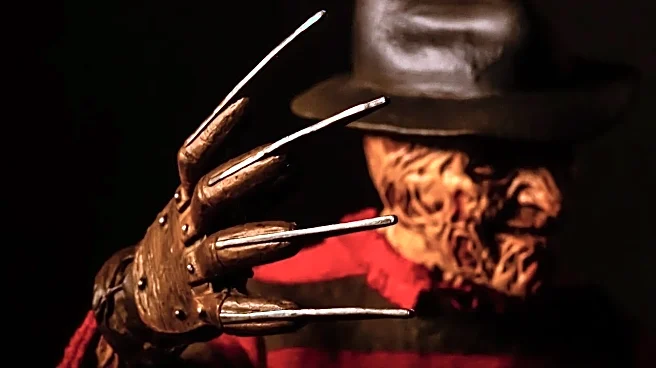
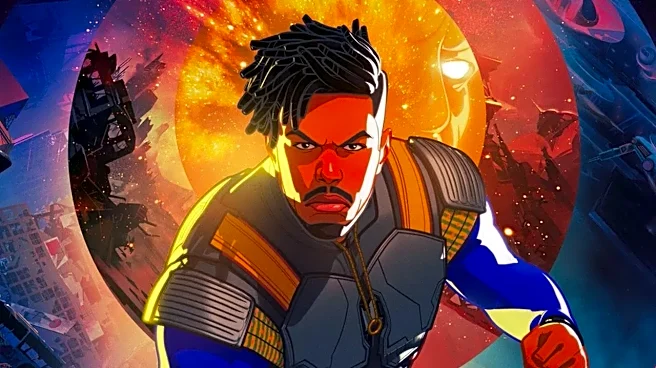
The most obvious answer is Halloween. Fall is inherently linked with the spooky and macabre, creating a natural runway for characters associated with horror, chaos, and psychological thrills. Villains from classic horror flicks and dark comic book adaptations
fit the bill perfectly. Their aesthetics—dark, dramatic, and often theatrical—align with the season's mood. But the connection runs deeper than just a holiday. The entire autumn season is framed as a time of transition and decay, themes that villains often embody. They represent the darker, more chaotic side of life that feels particularly relevant when the days grow shorter and the nights get longer.
The Allure of the Anti-Hero
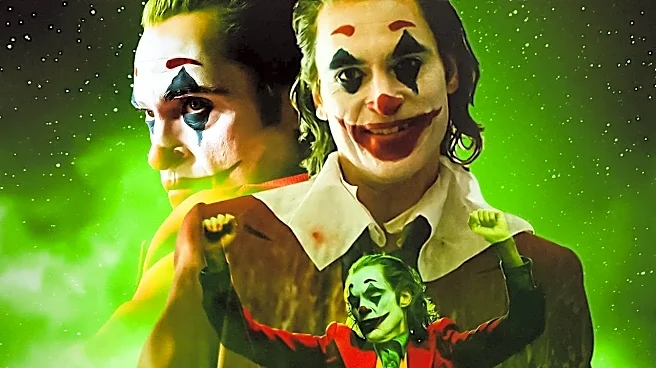
Let’s be honest: villains are often more interesting than heroes. While heroes are bound by morality, villains get to be complex, stylish, and unapologetically themselves. Characters like Patrick Bateman from "American Psycho" or Joaquin Phoenix's Joker are not just evil; they are deeply layered figures who challenge societal norms. This complexity makes them compelling. Adopting a villain as a temporary online persona can be a form of release and self-expression. It allows people to vicariously tap into a rebellious, anti-establishment energy without any real-world consequences, a phenomenon sometimes dubbed entering one's "villain era." This is especially appealing in a world that often demands conformity.
Engineered for Meme Culture
Modern movie villains are practically designed for internet virality. They are given highly memorable, visually striking moments that are easily clipped, remixed, and plastered with a relatable caption. Think of the Joker dancing down the steps in the Bronx or Patrick Bateman’s meticulous morning routine. These scenes are so distinctive they become a form of cultural shorthand. Memes thrive on shared context and inside jokes, creating a sense of community among those who get the reference. Sharing a meme about a specific villain is a way to connect with others and participate in a collective cultural moment, one that is often funny, ironic, or absurd.
Fall Fashion and Villain Aesthetics
There's also an undeniable aesthetic link between iconic villains and autumn style. Many popular villains are sharp dressers, favoring trench coats, tailored suits, and a moody color palette that mirrors fall fashion. Patrick Bateman’s wardrobe of expensive suits and overcoats has made him a twisted icon of 1980s corporate style. The Joker, in his various incarnations, often sports purple and green suits that, while garish, are undeniably memorable. This sartorial flair makes them perfect avatars for the season of layering and statement outerwear. When their images circulate online, they're not just promoting chaos; they're unintentionally serving as dark fashion inspiration for the colder months.
A Modern Form of Folklore
Ultimately, the fall villain meme is a digital-age ritual. It’s a way for online communities to collectively mark the changing of the seasons. Much like ancient cultures told stories of gods and monsters to make sense of the world, we share memes of cinematic villains to articulate our modern anxieties, humor, and cultural touchstones. This shared experience fosters a sense of belonging and connection in an increasingly fragmented digital landscape. The characters may be menacing, but their transformation into memes is a fundamentally creative and communal act. They become less a source of fear and more a symbol of a collective mood.