





The Agony of Almost
The journey of pain has a clear beginning: Rio de Janeiro's iconic Maracanã Stadium, July 13, 2014. In the World Cup final against Germany, Argentina fought for 113 excruciating minutes. They had chances, moments where history could have bent in their
favor, but the breakthrough never came. Then, a German substitute, Mario Götze, chested down a cross and volleyed it into the net, sealing a 1-0 victory for Germany. It was the start of a torturous pattern. The very next year, in the 2015 Copa América final, they faced host nation Chile. After a tense goalless draw, the title was decided on penalty kicks, and Argentina lost.
A Curse in Three Parts
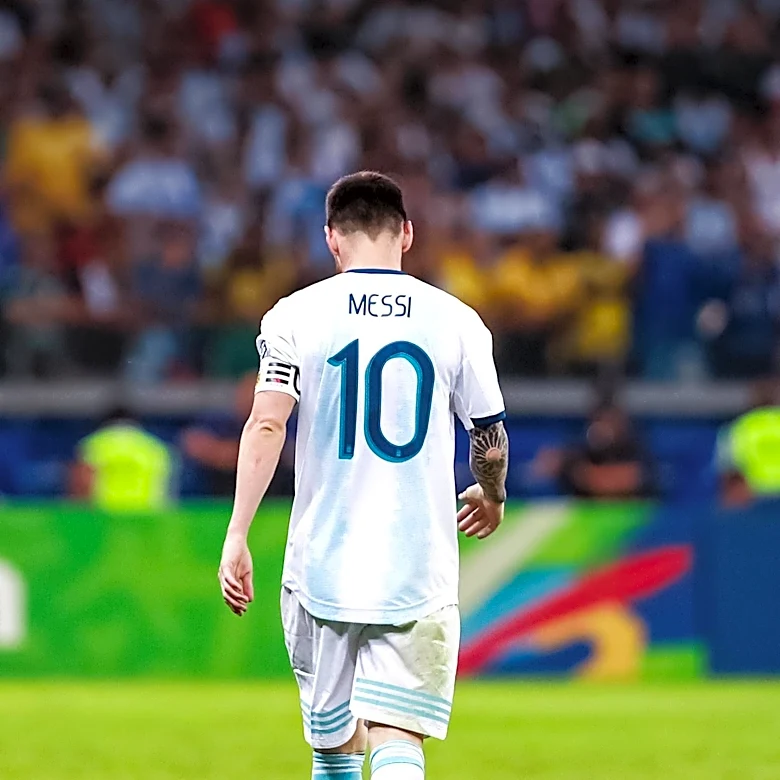
In 2016, a special Copa América Centenario was held in the United States. In a cruel twist of fate, Argentina once again reached the final, and once again, their opponent was Chile. Impossibly, the result was the same: a 0-0 draw followed by a penalty shootout loss. Three major finals in three years, all lost by the thinnest of margins. The accumulated toll was immense. For Lionel Messi, a player who had won everything with his club, the repeated failures with the national team became an unbearable burden. After blazing his penalty over the crossbar in the 2016 final, a devastated Messi announced his retirement from international soccer, a decision he would later reverse.
The Weight on a G.O.A.T.
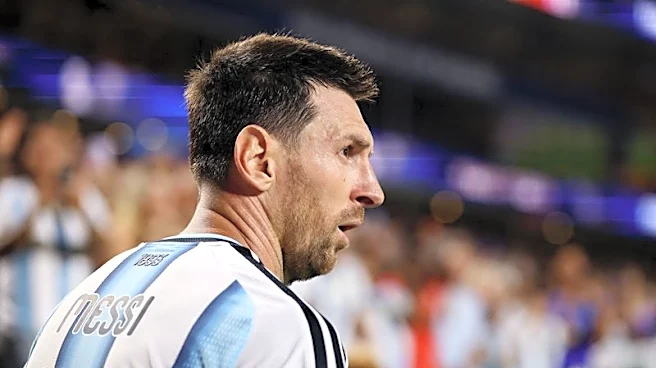
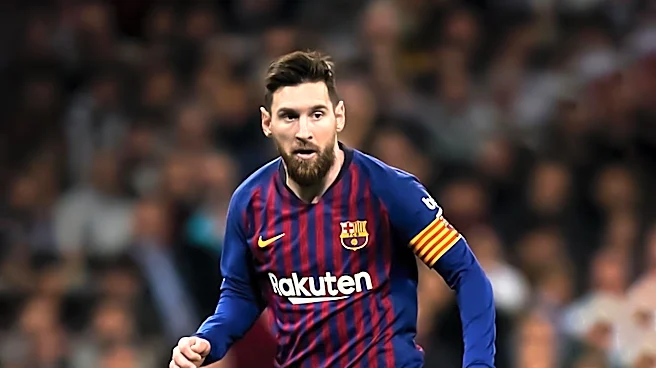
More than anyone, this era of hurt was defined by the pressure on Messi. For years, he faced criticism that he wasn't a leader in the mold of the legendary Diego Maradona, the man who had delivered Argentina's last World Cup in 1986. Despite his genius, the lack of a major international trophy was the one glaring gap in his career. He had lost four finals with the senior team, including an earlier Copa América final in 2007. This string of defeats fueled a narrative that, for all his talent, he couldn't carry his country to glory. The constant comparisons and the national desperation for a title created a crucible of pressure few athletes have ever faced.
The Breaking of the Dam
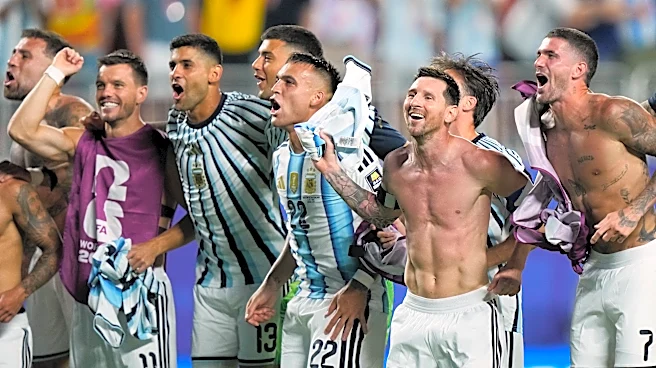
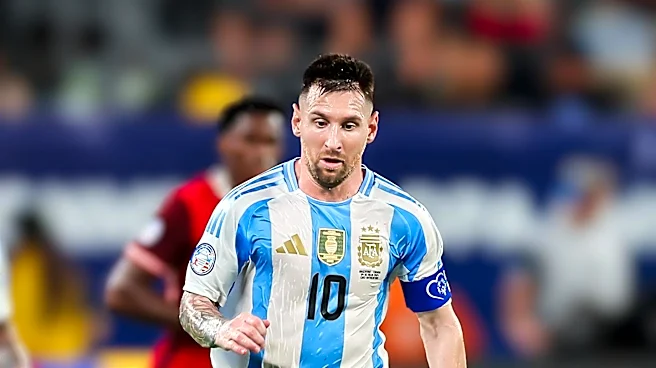
The first taste of relief came, fittingly, back at the Maracanã. On July 10, 2021, Argentina faced arch-rivals Brazil in the Copa América final. This time, there was no late heartbreak. A 22nd-minute goal from Ángel Di María was all it took. The final whistle brought an outpouring of emotion, ending a 28-year title drought for the nation. More importantly, it was Messi's first major senior trophy with his country. The sight of his teammates tossing a tearful Messi into the air signaled a profound shift. The curse was broken. As coach Lionel Scaloni began to build a cohesive unit around his star, that victory laid the foundation for something even greater.
The Ultimate Redemption
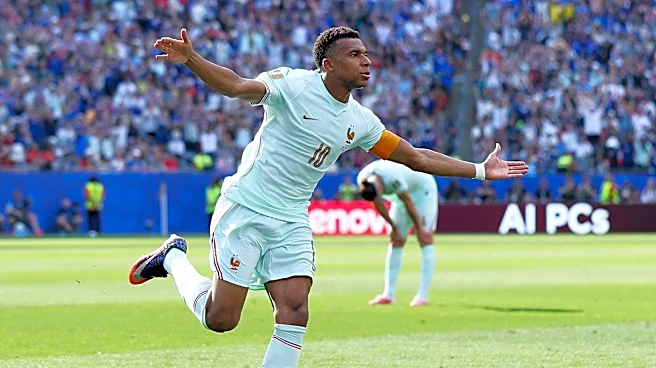
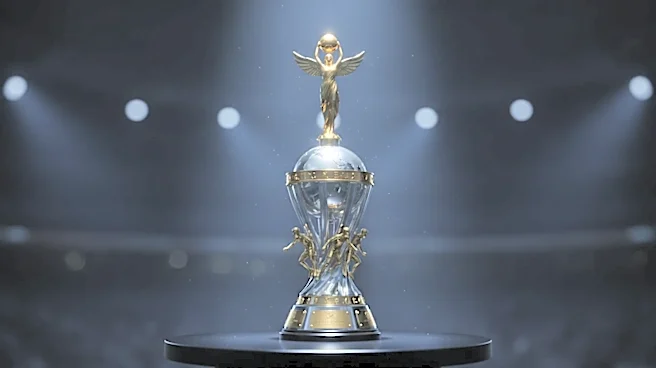
The journey culminated on December 18, 2022, in what is widely considered the greatest World Cup final ever played. Facing defending champions France, Argentina stormed to a 2-0 lead and looked to be cruising to victory. But a stunning Kylian Mbappé brace in just over 90 seconds forced the game into extra time. Messi scored again, only for Mbappé to complete a hat-trick and send the final to a penalty shootout. This time, however, Argentina would not be denied. Goalkeeper Emiliano Martínez made crucial saves, and Gonzalo Montiel converted the winning penalty to secure Argentina's third World Cup. The hurt was finally, definitively, replaced by pure, unadulterated relief and joy, cementing the legacy of Messi and his resilient generation.