
The Alternative Rock Genesis
When Perry Farrell of Jane's Addiction launched Lollapalooza in 1991, it was a traveling circus of counterculture. The lineups were a who's who of alternative, grunge, and industrial rock: Nine Inch Nails, Pearl Jam, Soundgarden, and The Smashing Pumpkins
defined its early identity. It was a festival built on guitars, distortion, and a shared feeling of alienation from the mainstream. Electronic music wasn't just absent; it was antithetical to the entire project. The festival was a statement for Generation X, and that statement was amplified through a Marshall stack. Even early genre-bending included hip-hop acts like Ice-T and A Tribe Called Quest, but the core was unmistakably rock.
Perry's Stage: The Trojan Horse
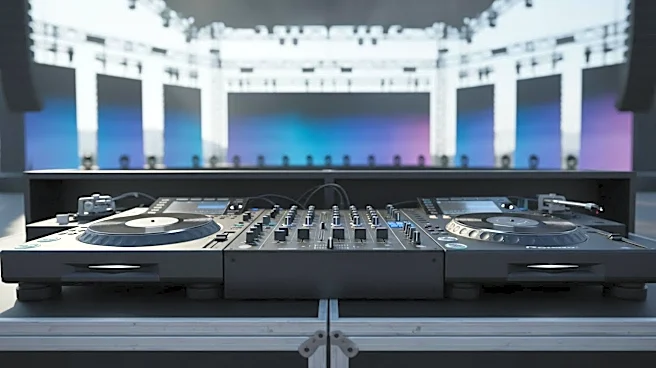
The first seeds of change were planted with the festival's 2005 rebirth as a stationary event in Chicago's Grant Park. Farrell, always looking forward, advocated for a space dedicated to the electronic sounds he loved, distinguishing between the thoughtful journey of house music and the commercialized "EDM" he would later critique. This led to Perry's Stage, named in his honor. At first, it was a small, tented affair, a niche corner for a subculture that was still bubbling under the surface in America. But it was a foothold. Acts like The Prodigy and The Orb had played the festival in its touring days, but Perry's Stage created a permanent home and a gathering point for a new generation of festival-goers.
The 2007 Daft Punk Inflection Point
If Perry's Stage was the seed, Daft Punk's 2007 headlining performance was the explosion of growth. The French duo's set, performed from atop a massive, mesmerizing pyramid of light, wasn't just a concert; it was a phenomenon. It proved, unequivocally, that an electronic act could not only draw a massive crowd but deliver one of the most talked-about, visually stunning, and musically transcendent performances of the entire festival. The show is still spoken of in reverent tones and its impact was immediate. It legitimized dance music as a main-stage attraction at Lollapalooza, moving it from the side tent to the main event conversation.
Riding the Great EDM Wave
The timing was perfect. Just as Daft Punk blew the doors open, the United States was entering its massive "EDM boom" in the late 2000s and early 2010s. Artists like Skrillex, Deadmau5, and Avicii became superstars, and festivals were their primary vehicle. Lollapalooza's promoters, C3 Presents, recognized the shift. Perry's Stage transformed from a humble tent into a full-production behemoth designed to deliver the sensory overload fans craved. The crowds grew exponentially, filled with younger attendees who had come of age with laptops and synths, not guitars and angst. Dance music wasn't just a part of the festival; it was a primary driver of ticket sales and youth engagement.
The New Normal: Headliners and Hybrid Sounds
Today, the climb is complete. Electronic artists are no longer just occupants of Perry's Stage; they are top-line headliners on the main stages, commanding the largest crowds. Artists like Odesza and Flume have occupied the highest rungs of the poster, a space once reserved for rock gods. The 2025 lineup, for instance, featured electronic powerhouses like Rufus Du Sol and Martin Garrix alongside rock and pop headliners. This reflects a broader musical trend where the lines between genres have blurred. Pop stars incorporate dance beats, rock bands use synthesizers, and Lollapalooza's poster simply mirrors the hybrid nature of modern music. The festival's lineup is no longer about alternative rock vs. dance music; it's about curating a weekend that reflects the culture as it is.