

The First Five Seconds
Before a single line is spoken or a costume is fully appreciated, hair and makeup have already told you where and when you are. A character’s hairstyle—be it a feathered look for the '70s, a sharp bob from the '20s, or the intricate updos of a Gilded
Age socialite—is an immediate visual shortcut. Makeup further refines the story. Was makeup in that era bold or discreet? Was it accessible to everyone, or only the wealthy? These subtle cues are the first layer of world-building, creating an authentic foundation that allows the audience to become fully immersed in the story from the opening scene. These artists are responsible for shaping the entire visual identity of the characters on screen.
From History Books to Mood Boards
Creating an authentic look is a process of deep and detailed research. Department heads don't just search for a few photos online; they become temporary historians for the show's chosen period. Their research involves diving into museum archives, poring over vintage magazines like Harper's Bazaar, studying portraits by painters from the era, and analyzing old film footage to understand not just the styles, but the social context behind them. For a show like "The Gilded Age," this meant studying realist paintings to capture the mood and beauty standards of the late 19th century. This historical groundwork is essential for ensuring that the looks are believable and avoid anachronisms that could pull a viewer out of the narrative.
Beyond Accuracy: Telling a Character's Story
Historical accuracy is the starting point, not the final destination. The most crucial role of hair and makeup is to help develop the characters themselves. A character’s hairstyle can signal their social status, their personality, or even their emotional journey. On "The Gilded Age," for example, makeup was used to draw a distinction between the "old money" characters, who had a cleaner, more classic look, and the "new money" characters, whose style was more extravagant and pushed boundaries. Similarly, a character's makeup might become less polished as they fall on hard times, or a hairstyle might change to signify a newfound freedom or rebellion. These visual transformations are a powerful, non-verbal way to advance the plot and add depth to the storytelling.
The Art of Collaboration
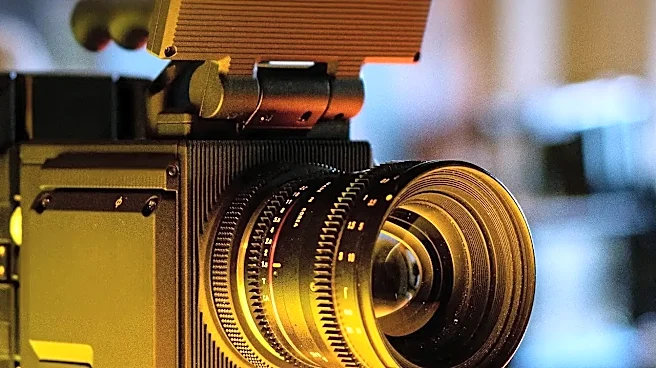
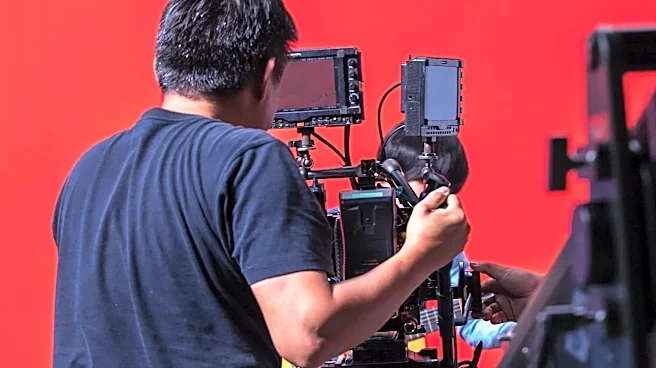
Hair and makeup departments never work in isolation. They are part of a highly collaborative ecosystem that includes the director, costume designers, and the production designers. Constant communication is key to creating a cohesive visual language for the show. For instance, a hairstylist must know what kind of hat a character will be wearing, while a makeup artist needs to coordinate their color palette with the wardrobe. They also work closely with the camera and lighting departments to ensure that their work translates properly to the screen, especially under the unforgiving lens of high-definition cameras which pick up every detail. This teamwork ensures that every visual element, from a prosthetic scar to the shine on an actor's hair, serves the overall vision of the production.
Old Techniques, Modern Challenges
Bringing a bygone era to life often means using a combination of vintage techniques and modern tools. Artists might use traditional methods for setting hair but rely on an arsenal of full lace wigs, hair clusters, and extensions to create the elaborate styles required for a period piece. For shows set in eras with distinct facial hair trends, a huge stock of custom facial hairpieces is essential. One of the biggest challenges is balancing historical realism with the expectations of a modern audience and the realities of modern actors, who may have features like teeth veneers or microbladed eyebrows that don't fit the period. The goal is to create a look that feels authentic to the time without looking jarring or artificial to today’s viewer.