




The Price Tag Myth
The first mistake many shoppers make is equating a high price with high quality. While premium brands often invest in better materials and construction, you're frequently paying a steep markup for the logo alone. Conversely, a bargain-bin price is often a red
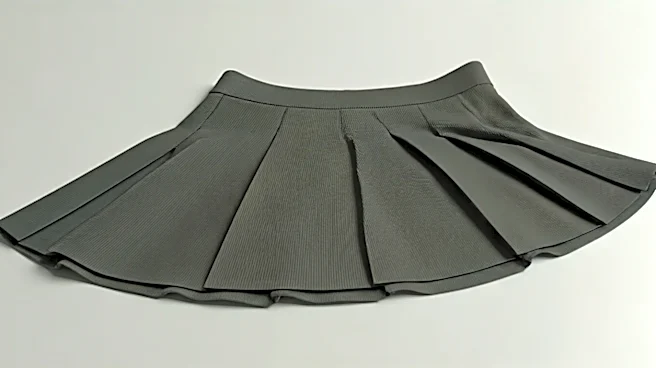
flag for cheap materials that will pill, stretch out, or lose their shape after a few washes. The sweet spot for quality often lies in the mid-range, from direct-to-consumer athletic brands that focus on performance over marketing hype. Instead of letting price guide you, treat it as just one data point. A $100 skirt can have the same flimsy liner shorts as a $25 one if the focus is on fashion over function. The key is to ignore the price tag initially and learn to judge the garment on its own merits.
The Fabric Feel Test
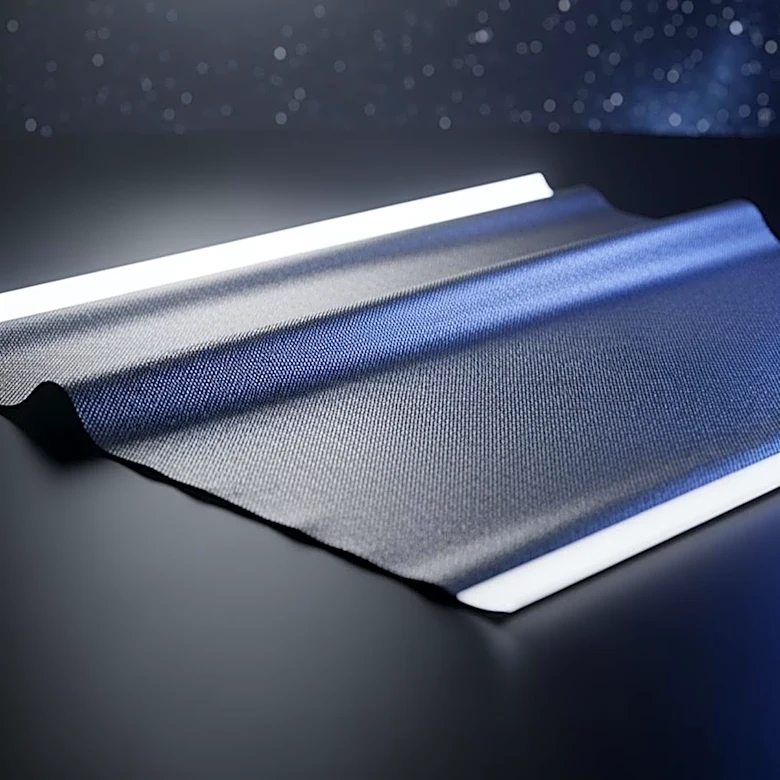
This is where quality truly begins. Don't just glance at the material composition tag; feel the fabric. A quality tennis skirt uses a performance blend, typically polyester or nylon mixed with a healthy dose of spandex or elastane (look for 15-25% for great four-way stretch). The fabric should feel smooth, substantial but not heavy, and cool to the touch. It should have a matte finish, as overly shiny polyester can indicate a cheaper, less breathable weave. A good test is to stretch a section of the skirt. Does it snap back immediately, or does it look slightly saggy? High-quality fabric has excellent recovery. Lower-quality fabric will start to look wavy or lose its shape even with a gentle pull. This stretch and recovery are crucial for a skirt that moves with you and maintains its flattering A-line silhouette.
The Under-Shorts Investigation
The built-in shorts (or 'undershorts') are the functional heart of a tennis skirt, and they are the most common point of failure. Many fashion-focused brands treat them as an afterthought. First, check the material. The shorts should be made of the same, or similar, high-quality stretch fabric as the skirt. If they feel like a thin, flimsy piece of nylon, they will offer no support and likely be see-through. Second, look at the inseam and hem. The most common complaint is shorts that ride up. Quality shorts will have a silicone gripper strip along the inside of the leg hem. This small, often transparent detail is a non-negotiable feature for preventing bunching during activity. Without it, you’ll be adjusting constantly. Finally, check for pockets. A truly functional tennis skirt has a well-placed pocket on the shorts, large enough for a phone or a tennis ball, that holds items securely against your leg.
An Eye for Construction
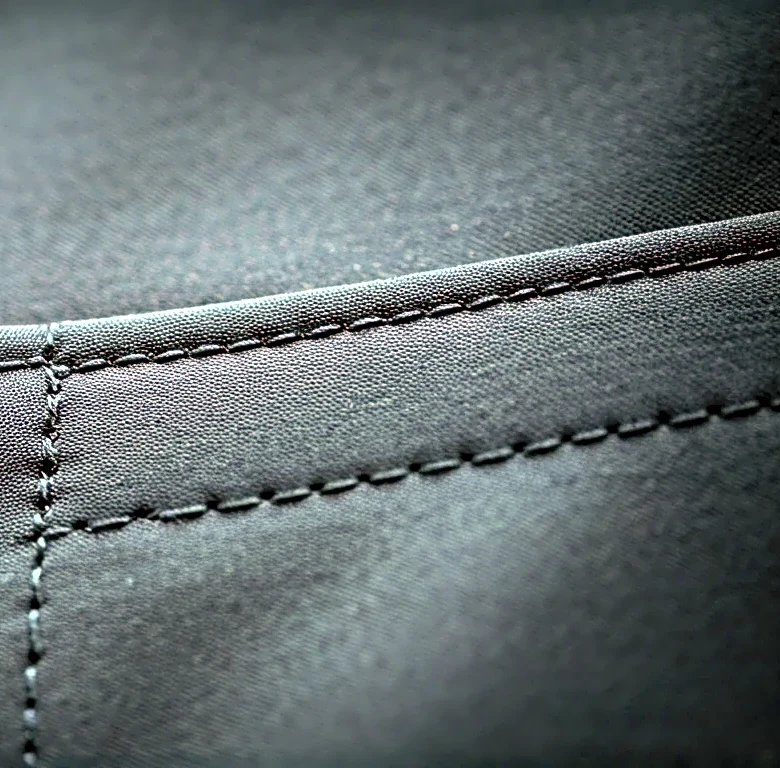
Turn the skirt inside out. This is where a brand’s commitment to quality becomes obvious. Look at the seams. Are they flatlock seams—wide, flat, and smooth against the skin? Or are they serged seams—raised, bulky, and more likely to chafe during movement? Flatlock stitching requires more specialized machinery and skill, and it's a hallmark of premium athletic wear. Next, examine the waistband. A good waistband is wide (at least three inches) and sits flat without rolling, digging, or slipping. It should have a hidden piece of elastic at the very top edge to keep it anchored, but the main structure should come from the compressive fabric itself. Avoid skirts with thin, flimsy elastic waistbands that can twist inside their casing or create an unflattering muffin top.