


The Verdict: Polished, Not Puffy
Let’s settle the debate. A sweater under a blazer is a hallmark of sophisticated, modern layering. When done right, it bridges the gap between stuffy formality and casual comfort, making it perfect for today's flexible dress codes. It replaces the need
for a waistcoat, adds a touch of texture, and offers practical warmth without requiring a heavy overcoat indoors. The key isn't if you should do it, but how. The difference between looking sharp and looking stuffed comes down to three things: the type of sweater, the fit of the blazer, and the harmony between the two.
Choose Your Sweater Wisely
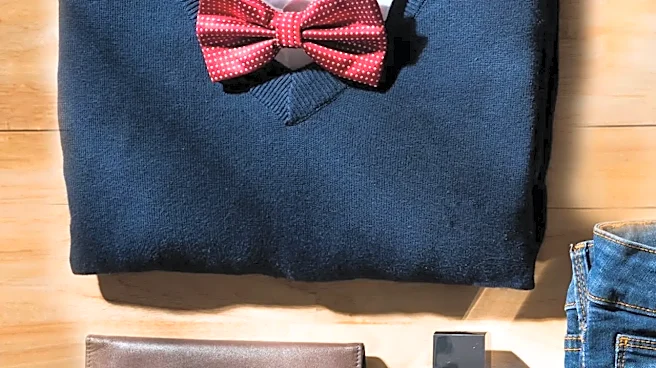
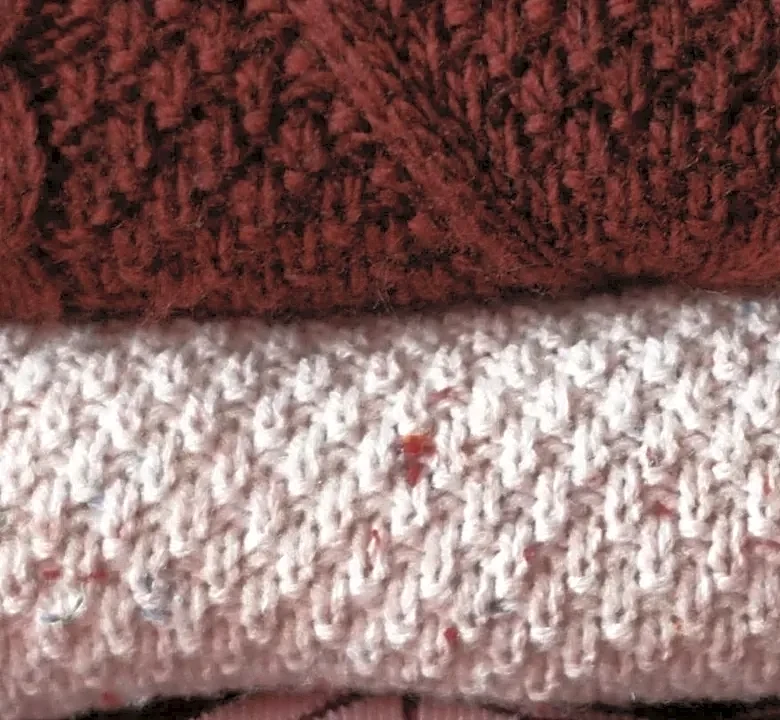
The single most important rule is to avoid bulk. Your sweater should be a fine-gauge knit. Chunky cable knits or heavy wool sweaters are out; they belong as the top layer of an outfit, not a middle one. Materials like merino wool, cashmere, or fine cotton blends provide warmth without adding mass, ensuring a smooth silhouette. As for the neckline, you have options. A V-neck is a classic choice, as it’s practically designed for this look. It neatly frames a collared shirt and tie. A crewneck offers a cleaner, more modern line, but it works best without a collared shirt, as the collar points can get awkwardly pushed up by the sweater's ribbed neck. A turtleneck is arguably the most sophisticated option, creating a sleek, architectural look that elevates the entire outfit.
The Blazer Must Cooperate
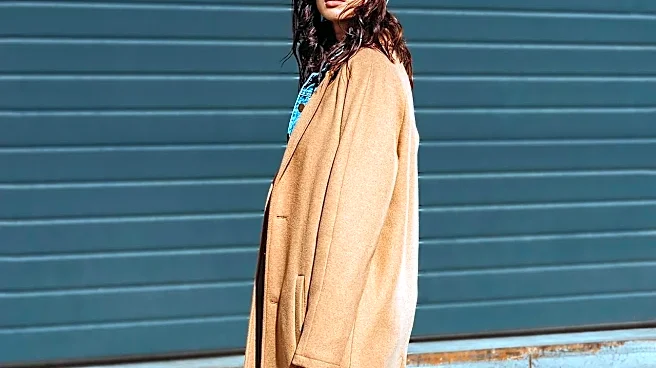
Your blazer can't be skin-tight. It needs to have enough room to accommodate another layer underneath without pulling into an 'X' shape at the button when fastened. This doesn't mean you should size up; a well-fitting blazer should have enough space in the chest and shoulders for a shirt and a thin knit. Look for blazers with a bit of natural stretch or those made from more forgiving materials like tweed, flannel, or unstructured wool. These textured fabrics also pair beautifully with the smooth finish of a fine-gauge sweater, creating a pleasing visual contrast that makes the outfit look intentional and well-considered. Avoid pairing a heavy sweater with a lightweight summer blazer, as the mismatch in fabric weight will look awkward.
Mastering Fit and Proportion
With the right pieces selected, focus on the execution. The sweater should fit close to your body without being restrictive. Any bunching or excess fabric around your midsection will show through the blazer. The sweater's hem should end around your waistband and should not hang noticeably lower than your blazer. Likewise, the sweater's sleeves shouldn't be so long that they bunch up under the blazer's cuffs; a clean wrist line is crucial. The goal is for each layer to fit well on its own. When you take the blazer off, the sweater should still look sharp, not baggy.
A Simple Guide to Color
When you're starting out, keep the color palette simple. A neutral sweater in grey, navy, or black is incredibly versatile and will work with almost any blazer. Monochromatic looks (like a charcoal sweater under a grey blazer) are modern and forgiving. If you're wearing a suit, your sweater should be clearly lighter or darker than the suit itself; a near-match often looks like a mistake. For a more advanced move, use the sweater to introduce a block of color, like a burgundy or forest green knit under a navy or tweed blazer. Just be sure to keep the rest of the outfit, particularly your trousers, relatively simple to let the layered combination take center stage.