

More Than a Throwback Playlist
History on television can be a tricky proposition. It often falls into two camps: the dry, archival documentary or the shallow, nostalgic clip show. Neither truly captures the electricity of a cultural moment. The brilliance of the 'Hip Hop Honors' series,
which aired annually for much of the 2000s and returned for special events, was its understanding that honoring the past didn’t mean embalming it. The show's producers knew that to make audiences in the present day care about the architects of a genre, they couldn't just present a history lesson; they had to translate history into the vibrant, immediate language of modern pop culture. It was an exercise in connection, not just commemoration.
The Grammar of the Tribute
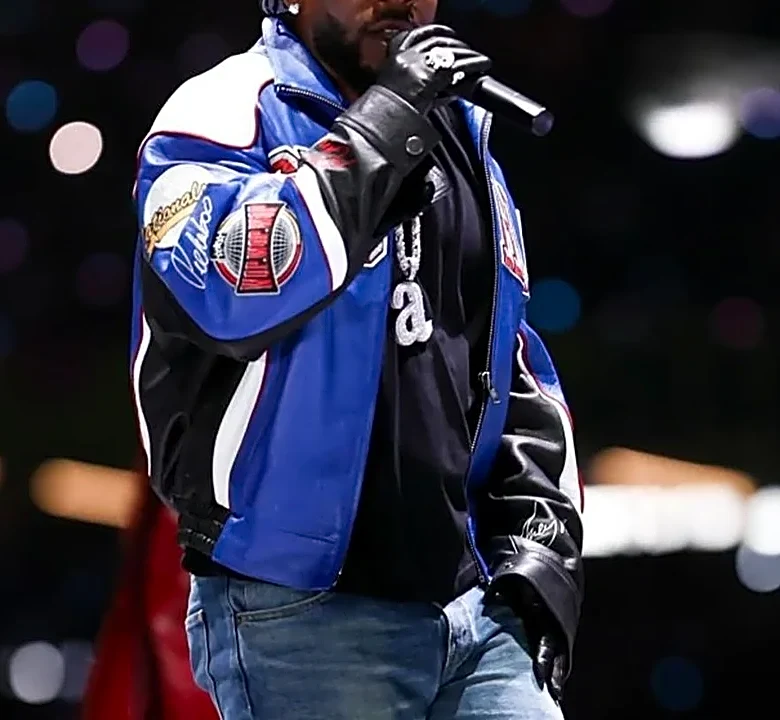
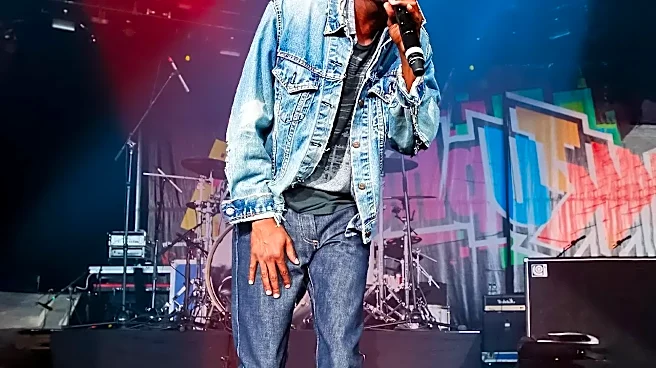
The show’s success hinged on its mastery of “television grammar”—the specific choices in production, casting, and performance that shape a viewer's experience. First was the casting. The producers smartly enlisted contemporary stars to perform the classic tracks of the night's honorees. Seeing a current chart-topper eagerly pay homage to a pioneer from the 80s or 90s created an immediate, visible line of influence. It wasn't just telling the audience that an artist was important; it was showing their impact through the reverence of today's icons. The performances were interpretations, not imitations. Modern artists infused the classic songs with their own style, making a 30-year-old track feel like it could have dropped last week.
Collapsing Time on Screen
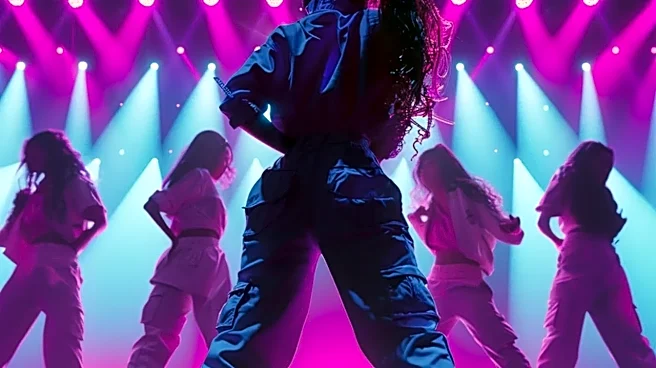
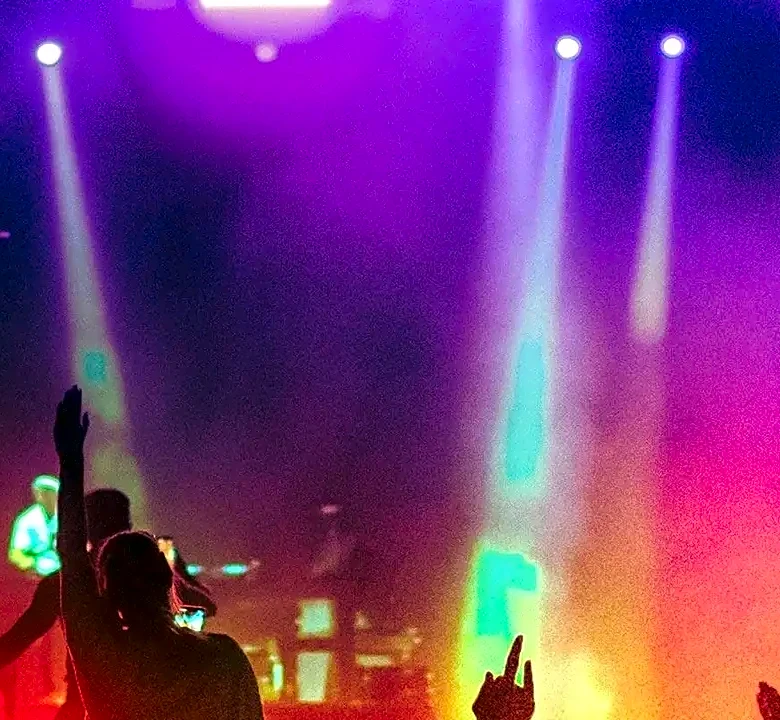
Technically, the show was a masterclass in making the past feel present. The production utilized dynamic stage designs with massive video screens, slick lighting, and rapid-fire editing that blended archival footage with the live performances. One moment you’d see grainy footage of a block party in the Bronx, and the next you’d see a high-definition, perfectly choreographed stage show celebrating that same energy. This seamless integration collapsed the decades, placing the pioneers and their musical descendants in direct conversation. The visual language of the show—fast-paced, energetic, and visually dense—was the language of modern music television, which made the historical content feel native to the platform, not like a guest from another era.
A Blueprint for Cultural Memory
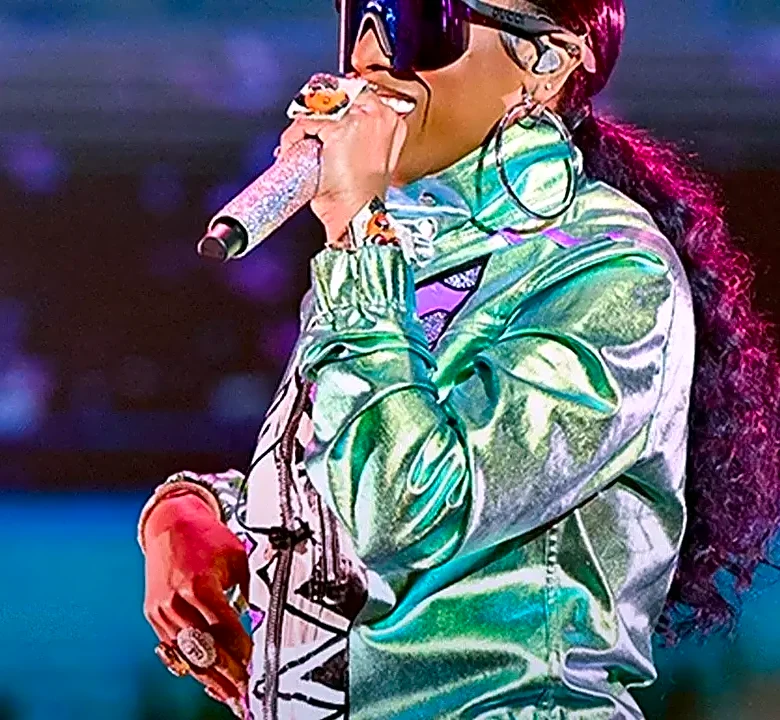
The lasting impact of 'Hip Hop Honors' is its blueprint for how to handle cultural history with the respect it deserves and the energy it needs to stay relevant. At a time when the genre was sometimes still fighting for institutional respect, the show treated hip-hop's legacy with the seriousness of a state dinner and the energy of a sold-out concert. The 2016 revival, 'All Hail the Queens,' which honored female pioneers like Queen Latifah, Salt-N-Pepa, Missy Elliott, and Lil' Kim, was a perfect example. By using the full force of television's persuasive power, 'Hip Hop Honors' didn’t just create a great awards show. It actively participated in the canonization of hip-hop, ensuring its foundational figures were celebrated not as relics, but as the living architects of the modern soundscape.