


The Myth: A Sea of Casuals Demands the Familiar
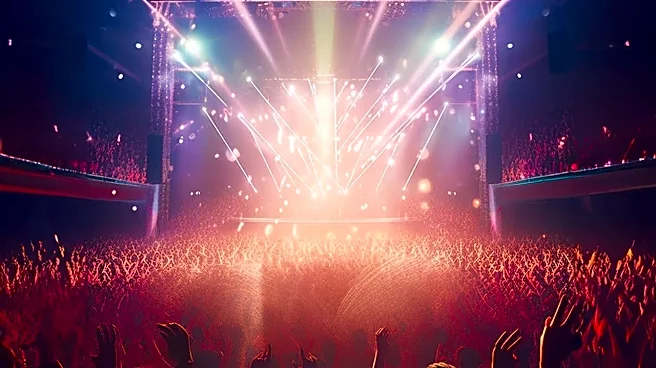
The conventional wisdom is built on a few core assumptions. First, festival crowds are seen as a mix of devoted fans and a larger majority of casual listeners who are just there for the vibe. To hold the attention of this diverse, often distracted audience,
you need the lowest common denominator: the songs they already know from the radio and their party playlists. Promoters, who need to ensure their massive investment pays off, often pressure artists to deliver a guaranteed crowd-pleaser. In this view, a festival stage isn't a place for artistic exploration; it’s a high-stakes, high-volume jukebox where the goal is to trigger the biggest, most obvious singalong possible. Veer into obscure album tracks or, even riskier, brand-new material, and you risk watching the crowd thin out as people wander off to another stage in search of a more familiar thrill.
The Reality: Connection and Surprise Create the Real Magic
While nobody is going to complain about hearing a beloved anthem, the idea that it's all fans want is demonstrably false. Die-hard fans, the ones who travel hundreds of miles and spend thousands of dollars, crave the unexpected. These are the moments that create a unique bond and the coveted “I was there when…” stories. A surprise deep cut isn’t a bathroom break; it’s a reward for their dedication. Furthermore, the element of surprise is a powerful psychological tool that makes experiences more memorable. When an artist breaks from the expected script, it jolts the audience to attention and creates an emotional peak that a predictable setlist can't match. For many attendees, festivals are about discovery—finding your new favorite band or hearing a new side of an artist you already love. A setlist composed solely of hits can feel like a contractual obligation, while one that takes chances feels like a living, breathing artistic statement.
The Artist's Dilemma: Balancing Artistry and Obligation
Artists are often caught in the middle of this debate. On one hand, touring is a primary source of income, and the album cycle traditionally exists to promote those live shows. Playing new songs is essential for staying relevant and showcasing their creative evolution. On the other hand, there's a real fear of alienating a festival audience or getting negative press for a set that’s perceived as self-indulgent. Some artists, like Bruce Springsteen, have even faced criticism from fans for setlists that felt too static and formulaic on a recent tour. Conversely, others have been met with frustration for altering beloved hits too drastically or leaning too heavily on unknown tracks. The solution for many is a carefully crafted balance. Headliners with longer set times have more freedom to mix things up, often weaving new material and fan-favorite deep cuts between the massive hits that are non-negotiable. For an artist at a major festival like Coachella, a unique set can be a career-defining moment, a chance to make a statement that goes far beyond just playing the obvious choices.
The Unforgettable Set: Why Risk Pays Off
Ultimately, the most legendary festival performances are rarely the ones that play it safe. Think of moments where an artist debuted a new song that would go on to be a classic, brought out an unexpected guest for a rare collaboration, or dusted off a song they hadn't played in years. These are the moments that generate buzz and define a festival's identity. They signal that the artist is engaged, present, and trusts the audience to come along for the ride. In an era where every show is instantly available on YouTube, a predictable greatest-hits set loses its luster. Fans don’t just want to hear the songs; they want to be part of a unique experience. By daring to play something other than the hits, artists aren't risking the crowd's attention—they're earning their devotion and creating the kind of transcendent musical moment that is the entire point of a festival in the first place.