

It All Begins with a Narrative
Before a single garment is chosen, the process starts with a story. In collaboration with the designer, a stylist helps define the collection's core message or inspiration. Is the muse a 1970s musician, an architectural concept, or a feeling like rebellious
optimism? This central theme becomes the guiding light for every decision. A stylist's job is to translate that abstract idea into a visual language, ensuring each look reinforces the narrative. This might involve interpreting a designer's personal heritage or a social commentary they wish to make through the clothes. The goal isn't just to dress models, but to build a world and invite the audience into it for the duration of the show.
The Common Thread of Color
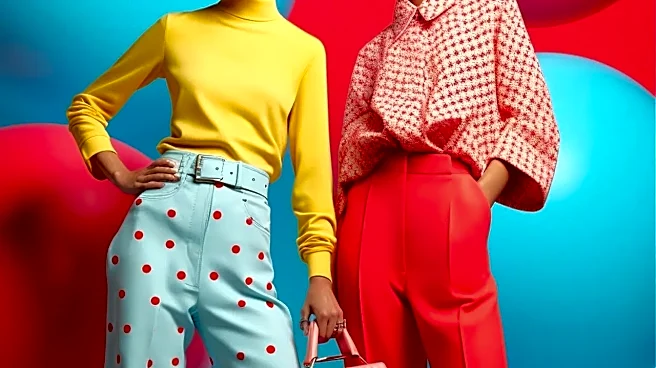
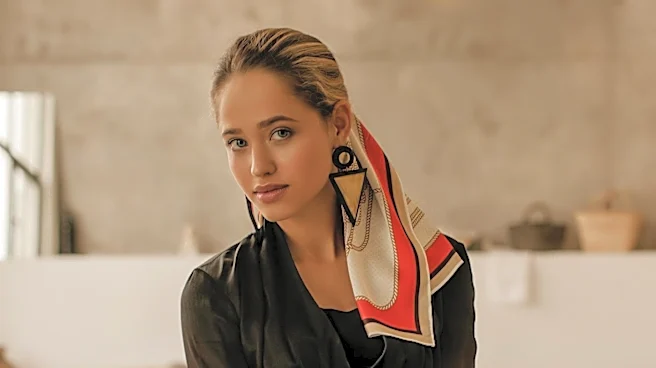
One of the most powerful tools for unity is a deliberate color palette. This doesn't mean every outfit is monochrome. Instead, a stylist weaves a “common thread” of color throughout the lineup. A pop of tomato red might appear first on a scarf, then as a full dress, and later as the sole of a shoe. This repetition creates a subconscious link between the looks. Alternatively, a collection might explore a single color family, moving from pale sky blue to deep navy, creating a subtle, evolving gradient. Even a seemingly chaotic mix of colors is often anchored by consistent neutral tones that give the eye a place to rest and tie everything together.
Texture and Fabric as Echoes
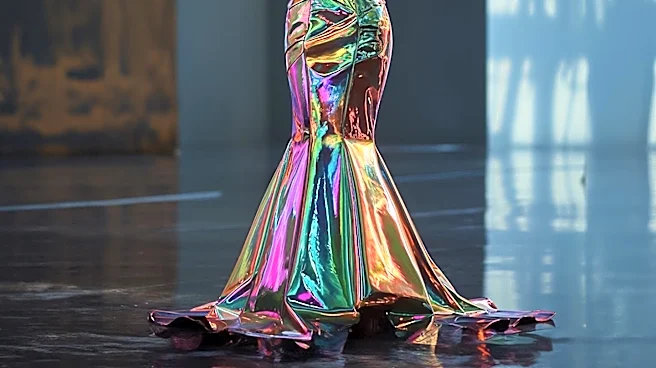
Cohesion goes beyond what you can see from a distance; it's also about feel. Stylists create unity by repeating textures and materials across different garments. A high-shine patent leather might appear on a boot in look three, a belt in look ten, and a full coat in look twenty. This textural echo makes the collection feel like it belongs to the same family. Mixing textures is also a key strategy. A stylist might consistently pair something rough and utilitarian, like heavy denim, with something delicate and soft, like silk chiffon. This intentional contrast, when repeated, becomes a signature of the collection, making the separate pieces feel intellectually and aesthetically connected.
Repetition in Silhouette and Shape
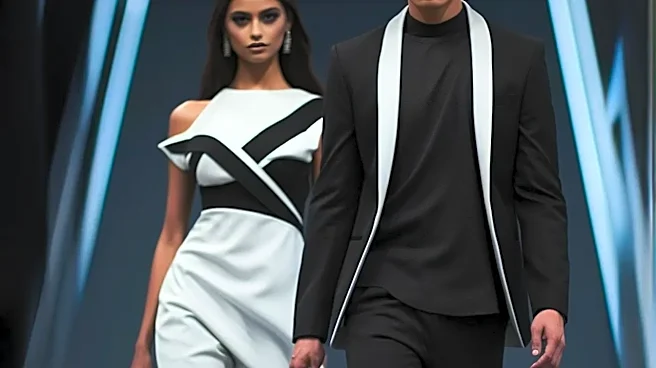
The overall shape of the garments—the silhouette—is a critical unifying element. A stylist might work with a designer to emphasize a specific shape throughout the show, like an exaggerated shoulder, a cinched waist, or a wide-leg trouser. Even as the individual pieces change from a blazer to a dress, that consistent silhouette acts as an architectural signature. It’s about creating a “silhouette family.” This gives the collection a recognizable form and structure, making it clear that each piece, no matter how different, was born from the same creative vision. This is less about making everything identical and more about exploring variations on a central theme.
The Decisive Styling Trick
Sometimes, cohesion comes down to a single, repeated styling choice. Think of it as the collection’s secret handshake. It could be as simple as every model wearing the same chunky necklace over their collar, or as specific as a sweater always being worn with one arm out. This recurring detail acts as a visual punctuation mark, linking the looks together. It could be a unique way of layering, an unconventional tuck of a shirt, or a specific accessory used in an unexpected way. This repeated action trains the audience's eye to see the connection, turning a series of individual outfits into a memorable and unified statement.