
The Prestige Factor
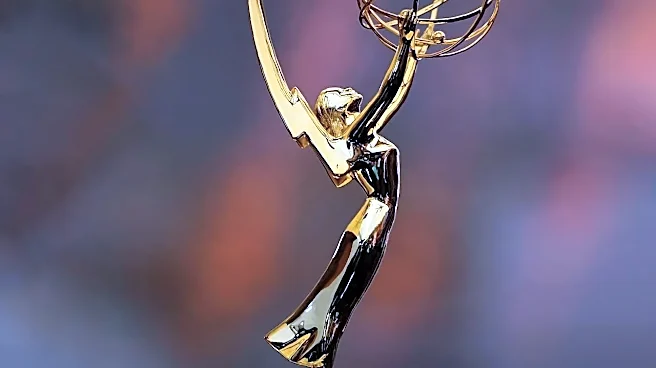
The Emmy Awards have always been, at their core, a celebration of the medium itself. While audiences vote with their remote controls, making franchise shows massive commercial hits, Emmy voters are industry peers. They’re actors, writers, directors, and
producers who often see rewarding a risky, original idea as a way of honoring the craft. Groundbreaking shows that push boundaries tend to be original concepts. Think about the history of winners; the awards often go to the shows that define a new era of television, not the ones that extend an old one. This year, the heavy nominations for fresh concepts like the medical drama "The Pitt" and the cerebral thriller "Pluribus" underscore this trend. While a show based on existing IP can be excellent, it rarely carries the same sense of invention that voters love to champion.
Franchise Fatigue Is Real for Voters
We've all felt it: that sense that you need to watch three other series and a movie to understand the latest episode of a show. This phenomenon, known as franchise fatigue, is a real factor for audiences and an even bigger one for Emmy voters. These are people who live and breathe television, and they are inundated with more content than anyone. When faced with a ballot, the prospect of a self-contained, original story can feel like a breath of fresh air. While a show like “A Knight of the Seven Kingdoms,” a prequel to “Game of Thrones,” earns nominations, it faces an uphill battle against something entirely new for the top prize. The sheer volume of interconnected stories can lead to voter burnout, making a standalone series with a clear beginning, middle, and end a more appealing and digestible choice.
The Power of a Singular Narrative
For Your Consideration (FYC) campaigns are a massive part of Emmy season. It’s easier to build a compelling story for voters around a singular, visionary creator or a bold new series than for a cog in a larger corporate machine. Original shows often have passionate creators who become the face of the campaign, articulating a unique artistic vision that resonates with fellow artists in the Television Academy. The narrative isn't just "another entry in the universe"; it's "the show that almost didn't get made" or "the story this writer was born to tell." That emotional hook matters. For example, the final season of "Hacks" is getting major buzz, not just because it's good, but because it represents the culmination of a specific, original journey that voters have followed for years.
Where IP Still Breaks Through
This isn’t to say that franchise shows stand no chance. An exceptionally well-executed series based on popular IP can and does break through, particularly in acting and craft categories. A brilliant performance is a brilliant performance, regardless of the show's origin. Similarly, categories like visual effects, costume design, and production design are often dominated by big-budget franchise productions that build entire worlds. But winning the top prize—Outstanding Drama or Comedy Series—is a different beast. It requires a consensus that a show is not just excellent, but culturally significant and forward-looking. While IP-driven shows are great at reflecting what is currently popular, the Emmys often seek to reward the shows that will define what television looks like next.