
More Than Just Jump Scares
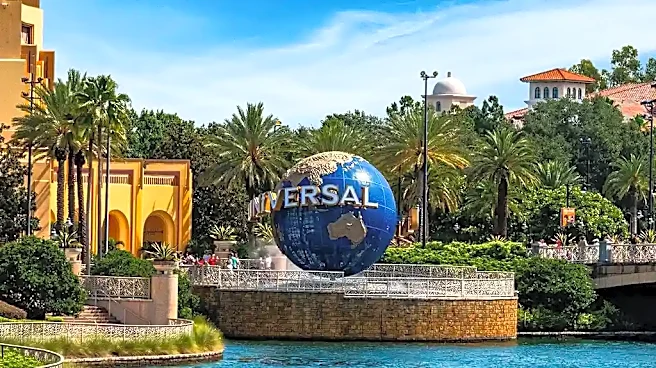
Every fall, Universal Studios in Orlando and Hollywood transforms into a fog-filled nightmare world, promising terror in the form of elaborately themed haunted houses and streets teeming with scareactors. On the surface, it’s a high-budget, seasonal theme park
event. But look closer, and you'll see something else entirely. You’ll notice guests wearing shirts not for the park, but for a specific house from five years ago. You’ll overhear intense debates about the merits of an intellectual property (IP) house versus an original concept. This isn't just an audience showing up to be scared; it’s a community gathering to celebrate a shared passion. Like attendees of San Diego Comic-Con, these guests aren’t passive consumers. They are active participants in a culture they have helped build, one where the event itself is only part of the appeal.
The Year-Round Speculation Season
For true Halloween Horror Nights (HHN) devotees, the event doesn’t start in August; it’s a year-round obsession. The first phase of the 'convention' is the speculation season, which begins almost as soon as the previous year's event ends. Fans meticulously analyze construction walls in the park, searching for clues about upcoming themes. Online forums and social media are flooded with fan-made “speculation maps,” intricate graphics that assign rumored horror franchises and original ideas to specific soundstage locations. For 2026, the 35th anniversary of the Orlando event, this ritual reached a fever pitch, with fans decoding symbols on a map that hinted at houses based on "Hellraiser," the final season of "Stranger Things," and a climactic battle between HHN's own legendary icons, Jack the Clown and Dr. Oddfellow. This period of rumor and detective work functions just like the pre-release hype for a major film or video game, building a sense of shared anticipation and community investment long before any official announcements are made.
Merchandise Is the New Headliner
At a typical fandom convention, securing exclusive merchandise is a competitive sport, and HHN is no different. The annual merchandise drop is a major event, with fans lining up for shirts, collectible pins, and glasses themed to their favorite houses of the year. These items aren't just souvenirs; they are status symbols and markers of identity within the fandom. Wearing a T-shirt for a deep-cut original house from a past year signals a fan's long-term dedication. The frenzy over specific items, like popcorn buckets or limited-edition apparel, mirrors the hunt for exclusive figures or comics on a convention floor. Universal has leaned into this, releasing extensive collections tied to major IPs like "Stranger Things" and original characters, turning the gift shops into must-see destinations that are arguably as popular as some of the attractions themselves.
Creative Directors as Rock Stars
One of the surest signs that HHN has crossed into convention territory is the celebrity status of its creators. In most theme park attractions, the designers remain anonymous. At HHN, the creative directors are rock stars. John Murdy in Hollywood and the creative leaders in Orlando have amassed dedicated followings. Fans follow their social media accounts for cryptic clues, attend their panels with the same reverence reserved for a Q&A with a famous film director, and treat them as the authors of the worlds they love. When Murdy announced a last-minute addition based on the horror film "Obsession" for the 2026 Hollywood event, the news spread through the fan community like a major casting announcement. This direct creator-to-fan relationship, where the artists behind the scenes become part of the main event, is a hallmark of convention culture, transforming a corporate product into a personal, artist-driven experience.