




An Unmistakable Stamp of Authenticity
The single biggest advantage of location shooting is authenticity. A soundstage can be meticulously designed, but it often lacks the unpredictable textures of reality. Real-world settings provide details that are nearly impossible to fake: the way natural
light filters through ancient castle windows, the specific sounds of a bustling foreign market, or the uneven ground of a rugged coastline. Take a show like HBO's The White Lotus. Each season is filmed at a real, opulent resort, from Hawaii to Sicily and Thailand. The genuine atmosphere of these luxury hotels, with their sprawling pools and ocean views, becomes a crucial part of the story, immersing the audience in a world of wealth and subtle tension that a set could only imitate. This tangible sense of place helps viewers suspend their disbelief, making the narrative more compelling and emotionally resonant.
Creating Epic Scale and Cinematic Scope
Some stories demand a scale that a studio backlot simply cannot contain. For fantasy epics or historical dramas, the world itself is a character. House of the Dragon, for instance, uses real locations across England, Spain, and Portugal to create the vast, imposing world of Westeros. The sweeping beaches of Cornwall and the medieval towns of Cáceres, Spain, lend the series a grandeur and history that CGI, while useful, can't fully replicate on its own. Filming against the backdrop of a real mountain range or an ancient fortress provides a visual scope that immediately elevates a show's production value. It's the difference between being told a world is epic and actually feeling it through breathtaking, real-world vistas.
The Location as a Character
A great location does more than just serve as a backdrop; it actively shapes the story and the characters within it. The environment can influence the mood, drive the plot, and even reflect a character's internal state. Think of the rugged, unforgiving landscapes that add to the tension in thrillers or the idyllic, sun-drenched coasts that define a romantic drama. The eerie, mist-covered marshes in The Essex Serpent were critical in building its gothic atmosphere of mystery and unease. Similarly, the cast can draw inspiration from their surroundings, leading to more grounded and believable performances. When actors are physically present in the environment their characters inhabit, it can deepen their connection to the role in a way that a green screen or soundstage might not allow.
The Hidden Costs and Calculated Risks
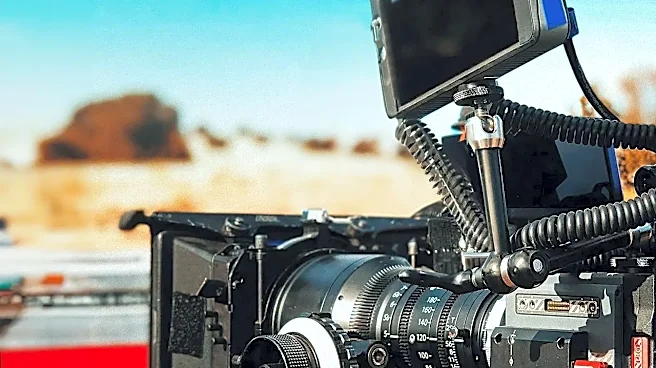
If location shooting is so effective, why doesn't every show do it? The short answer is that it's incredibly challenging. Productions that leave the studio face a host of uncontrollable variables. Weather can cause significant delays, and unexpected background noise can ruin a perfect take. There are also major logistical hurdles, including securing permits, transporting equipment, and managing public access. A studio offers a controlled environment where lighting, sound, and access are completely managed, which is often more efficient and budget-friendly. Therefore, the decision to shoot on location is a calculated one. Showrunners commit to it when they believe the authenticity and visual impact are so essential to the story that they outweigh the considerable risks and costs involved.