
An Economy of The Unexpected
To understand why surprise reigns supreme at Burning Man, you first have to understand what’s absent: money. The event is founded on core principles, two of which are decommodification and gifting. With the exception of ice and coffee, nothing is for
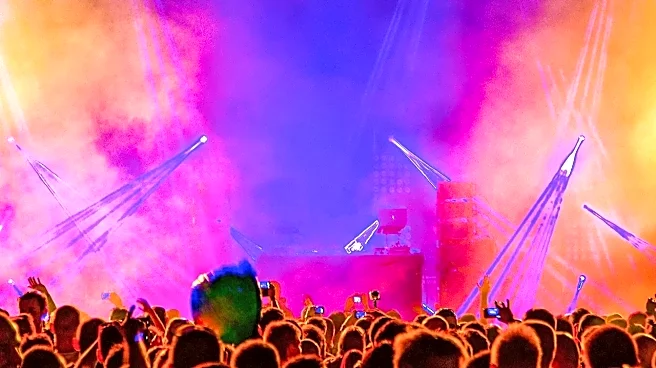
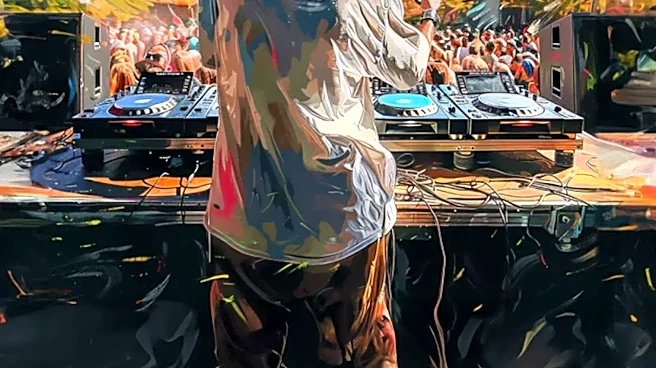
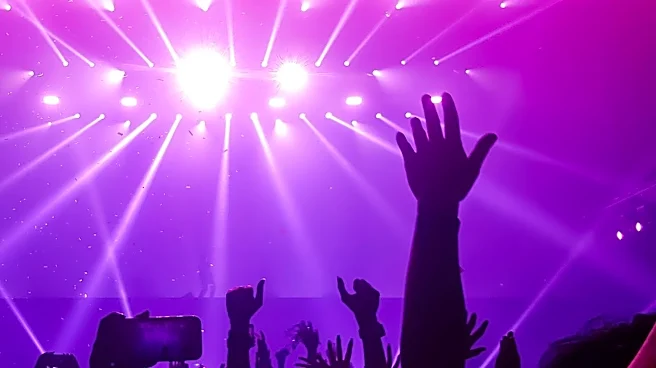
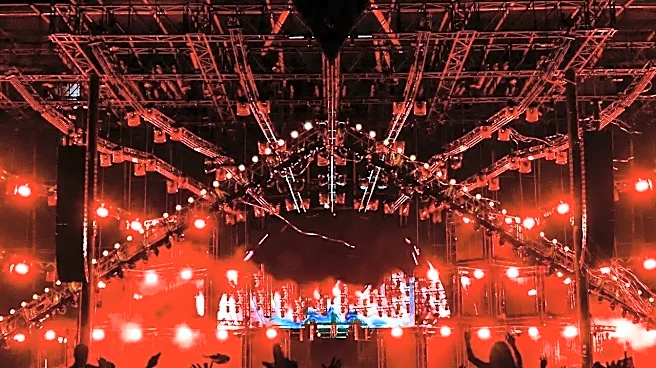
sale. This isn't a barter system; gifts are given unconditionally, with no expectation of anything in return. This simple rule fundamentally rewrites the script for entertainment. In the “default world,” your access to experiences is often determined by your wallet. You buy a ticket, you see the show. It’s a transaction. At Burning Man, entertainment is something you stumble upon. A world-class DJ isn't playing a ticketed event; they're performing on a giant, roving art car shaped like a dragon, and you just happen to be there when it rolls by. This erases the distinction between performer and audience, creating a shared, spontaneous experience. The value isn't in what you paid; it's in the sheer, unbuyable luck of the moment.
Engineered for Serendipity
The magic of Burning Man feels random, but it’s the product of a carefully engineered environment. The city’s layout, a vast semi-circle, is designed to encourage exploration and chance encounters. There is no central main stage or official lineup pushed to attendees. While some major sound camps and artists might hint at their plans, the soul of the event lies in the thousands of smaller, unannounced offerings. One moment you might be biking through a dust storm and the next, you’re pulled into a tiny tent offering free, freshly made pancakes. You might discover a pop-up absurdist game show, a lone cellist playing to the sunrise, or a full-scale Thunderdome where participants pummel each other with foam bats. These moments are created by participants for other participants. The entire culture is built on a radically participatory ethic—the belief that transformative change happens through personal involvement, not passive consumption. You aren’t a spectator at a festival; you’re a citizen of a temporary city built on collective effort.
The ROI of Radical Generosity
Why would someone spend thousands of dollars and countless hours building a mobile, fire-breathing octopus just to give away free grilled cheese sandwiches in the desert? Because at Burning Man, the return on investment is the delight of others. This is the principle of Radical Self-expression in action: creating something unique as a gift to the community. In a world devoid of commerce, the most valuable thing you can offer is an unforgettable experience. Creating a moment of surprise and joy for a stranger becomes the ultimate reward. It’s a currency of generosity. This dynamic fosters a creative arms race of whimsy and wonder. People don’t just build art; they build interactive worlds. They don’t just host parties; they create elaborate, themed environments designed to transport and delight. The motivation is pure, unadulterated creation, where the only thing you gain is the satisfaction of having contributed to the collective magic.
A Rebellion Against Predictability
Ultimately, the power of surprise at Burning Man is a quiet rebellion against the predictability of modern life. We live in an optimized world where algorithms predict our next purchase, our next song, our next movie. Experiences are increasingly curated, reviewed, and consumed based on expected outcomes. Burning Man is a system designed to break that feedback loop. First-time attendees are often advised to arrive with an open heart and no expectations. You are encouraged to get lost, to say yes to the weird invitation, and to put away the schedule. The most cherished memories are rarely from a planned event but from the spontaneous detours—the deep conversation with a stranger at 4 a.m., the discovery of a hidden art piece in the deep playa, the sudden, overwhelming beauty of a sunrise shared with a few others who also happened to be there. These are moments that can’t be bought, scheduled, or replicated. They can only be found.