



The Ultimate Convenience and Portability
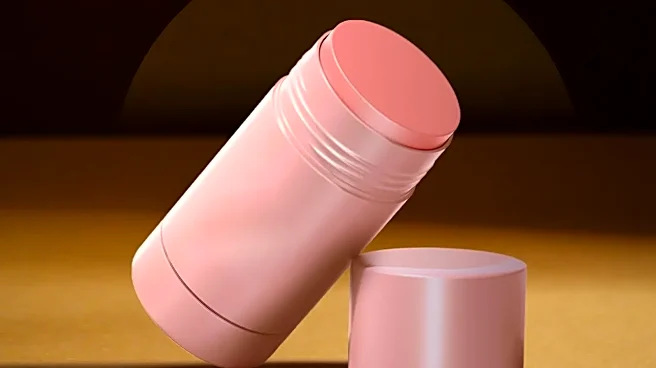
One of the most celebrated benefits of a sunscreen stick is its sheer convenience. The solid, twist-up format is spill-proof and travel-friendly, easily tossed into a purse or gym bag. Unlike lotions or creams, application is completely mess-free—no greasy
residue is left on your hands. This makes sticks not only ideal for your morning routine but also perfect for reapplication throughout the day. Dermatologists increasingly recommend them for on-the-go touch-ups because they are so quick and easy to use. This portability and clean application solve a major barrier to consistent sun protection: the hassle of reapplying, especially when you're not at home.
A Smoother, Makeup-Friendly Base
For makeup wearers, the primary challenge with traditional sunscreens is pilling—when products ball up into tiny flakes. This often happens when layering products that are incompatible or when not allowing enough time between steps. Sunscreen sticks can mitigate this issue. Their formulas are often more waxy or balm-like than creamy lotions, creating a smoother film on the skin that is less likely to be disturbed by the friction of applying foundation. Many formulas are designed to glide on transparently and feel lightweight, acting almost like a primer to create a velvety canvas for makeup. Because you apply the product directly to your face, you also avoid the variable of how much product your fingers might absorb, ensuring a more consistent layer.
Targeted Application for Delicate Areas
Sunscreen sticks offer a level of precision that's difficult to achieve with lotions. You can easily glide the stick around delicate and hard-to-reach areas like the under-eyes, the bridge of the nose, and the ears without the product running or stinging your eyes. This targeted control is a significant advantage, as these high-exposure zones are often missed or under-protected. The American Academy of Dermatology specifically notes that sticks are useful for the sensitive area around the eyes. This precision is also invaluable when reapplying over makeup, as you can add protection without smudging your entire look. By pressing or gliding the stick gently, you can refresh your SPF with minimal disruption.
How to Ensure You're Getting Full Protection
The main concern with sunscreen sticks is whether they provide adequate and even coverage. A single, quick swipe is not enough. To get the full SPF protection listed on the label, the American Academy of Dermatology recommends applying four passes, back and forth, over each area of the skin. After swiping, it's a good practice to gently rub or pat the product in to ensure an even, gap-free layer. Many dermatologists suggest a hybrid approach: use a traditional lotion for your initial, full-coverage application in the morning, and then rely on a stick for easy and effective touch-ups throughout the day. This strategy combines the thoroughness of a lotion with the convenience of a stick, giving you the best of both worlds.
Finding the Right Formula for You
Not all sunscreen sticks are created equal, and choosing one that suits your skin type is key. If you have oily or acne-prone skin, look for a non-comedogenic formula with a matte finish to help control shine. Those with dry skin might prefer a stick with hydrating ingredients like hyaluronic acid. For sensitive skin, mineral-based sticks containing zinc oxide or titanium dioxide are generally less likely to cause irritation than chemical sunscreens. Many modern sticks are formulated to be lightweight and blendable, leaving no white cast, which makes them suitable for a wide range of skin tones.