


The Ghost of Premieres Past
For generations of American television viewers, September meant one thing: premiere week. It was a highly orchestrated, almost sacred, cultural event. The journey began in late summer with a barrage of network promos promising bigger twists and new faces.
The climax was the arrival of TV Guide’s Fall Preview issue, a sacred text detailing every new and returning show, which families would study to plan their viewing schedules. This was the era of true appointment television. If you missed the season premiere of a hit show, you missed out on the national conversation the next day at the office watercooler or in the school cafeteria. The choices were limited, the schedule was fixed, and the audience was unified. This shared experience, a holdover from the early days of radio, created a powerful cultural rhythm that defined the fall season for decades.
The Great Disruption
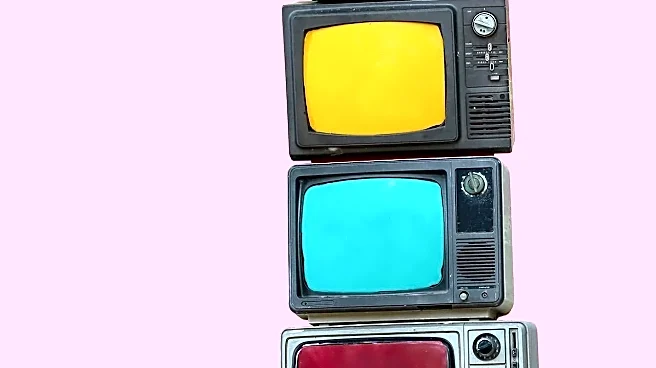
Then came streaming, and the ritual shattered. Netflix, with its binge-release model, rewired our brains, turning weekly anticipation into a test of patience we were no longer willing to endure. Why wait a week for a cliffhanger to resolve when the next episode was just a click away? Streaming platforms offered a content buffet, available 24/7, without the rigid structure of a broadcast schedule. The concept of a “season” became fluid, with major shows debuting in March, July, or whenever they were ready. By July 2022, streaming's share of television viewing time officially surpassed cable for the first time, cementing a new world order. The old September ceremony, with its synchronized premieres and shared national audience, seemed destined for the pop culture graveyard.
The Unkillable Television Event
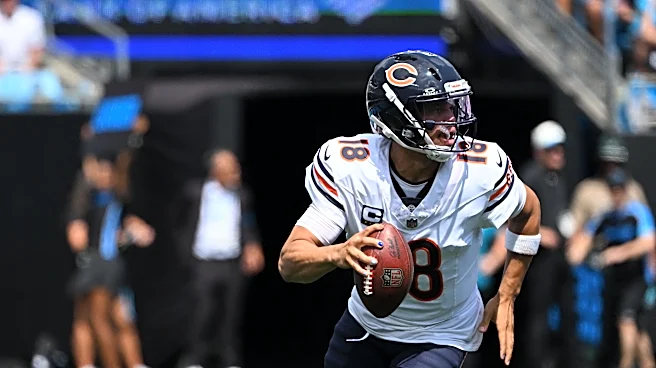
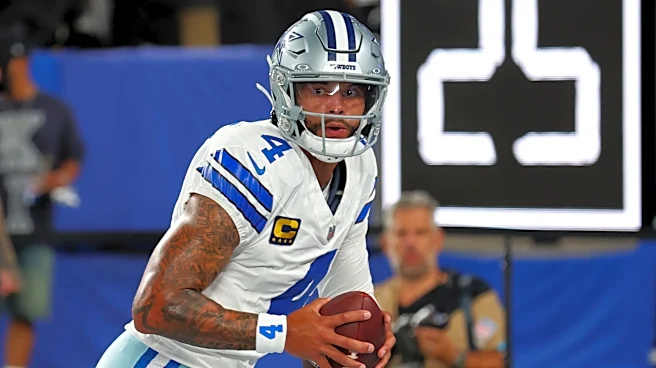
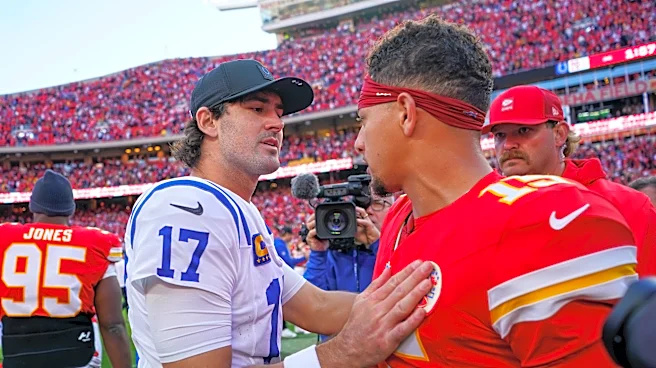
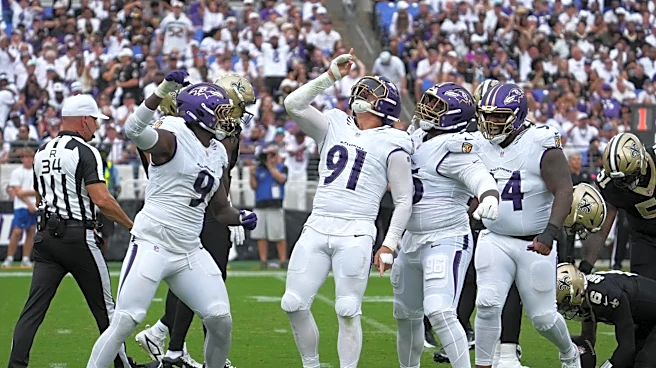
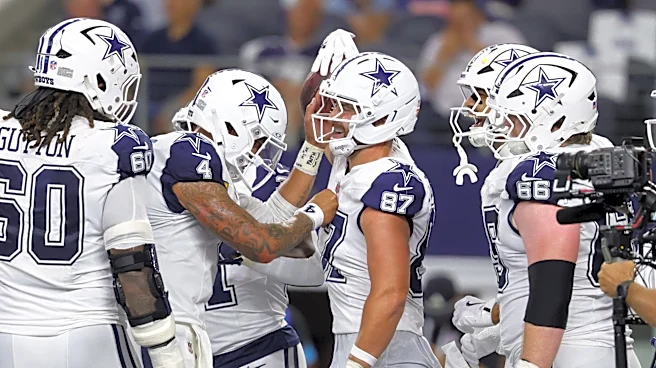
Yet, reports of the fall season's death were greatly exaggerated. While the streaming buffet is vast, it has also created a paradoxical craving for the very thing it tried to eliminate: the shared cultural moment. This is most evident with live sports, the undisputed king of appointment TV. The NFL's kickoff in September remains a colossal television event, with the 2026 season opener drawing over 25 million viewers on NBC and its Peacock streaming service. That single game dwarfed the viewership of most scripted streaming hits. Beyond sports, the biggest reality competition shows like "Survivor" and "The Voice" still use a weekly release schedule to build suspense and drive social media chatter, launching their new seasons in the traditional fall window. Even streaming services are rediscovering the power of the pause, with platforms like HBO and Apple TV earning buzz for major shows by releasing episodes weekly, allowing conversations and theories to marinate. This hybrid approach proves that while we love control, we also miss the community.
What the September Ritual Looks Like Now
The September TV ritual of 2026 isn't a carbon copy of its 1996 counterpart, but its spirit is very much alive. It’s no longer about a single, unified premiere week, but a broader, more fragmented “premiere season” that still uses fall as its anchor. Broadcast networks like CBS, ABC, and NBC continue to launch their biggest returning procedurals and sitcoms in coordinated fall rollouts. These shows provide a comforting, predictable rhythm in a chaotic media landscape. At the same time, streaming platforms now treat weekly releases as a strategic tool to keep subscribers engaged over a longer period and to make their shows feel like cultural events rather than disposable content. The modern fall season is a blend of the old and new: live football games drawing massive linear audiences, beloved network procedurals returning like clockwork, and prestige streaming dramas creating week-long suspense. The ritual hasn't died; it has adapted, proving that even in an on-demand world, there's a fundamental human desire for a shared story and a common calendar.