


The Architect of 'Instagram Couture'
Before most luxury brands knew what to do with social media, Rousteing understood its power. He didn't just join Instagram; he weaponized it. He was one of the first major creative directors to treat his personal account as a brand bible, showcasing a glamorous
life filled with famous friends, exotic locations, and, of course, Balmain clothing. He amassed millions of followers, creating a direct-to-consumer channel that bypassed traditional fashion magazines. For his supporters, this was a genius move, democratizing a once-gated world and building a loyal 'Balmain Army.' For critics, however, it reduced fashion to a series of flashy, context-free images designed for a double-tap. They argued that this focus on a digital facade cheapened the craft and prioritized viral moments over genuine design innovation.
The Kardashian Effect
You can't talk about Rousteing's Balmain without talking about the Kardashians. While other high-fashion houses kept reality TV stars at arm's length, Rousteing embraced them, making Kim Kardashian, Kendall Jenner, and Kylie Jenner the faces of his brand. This alliance was commercially explosive. The 'Balmain Army' became synonymous with their high-gloss, hyper-visible brand of fame, turning the label into a household name far beyond the Paris runways. The upside was undeniable: massive sales and cultural relevance. The downside, for industry purists, was equally stark. They saw it as a capitulation to celebrity culture over substance, arguing that aligning a historic couture house so closely with reality stars eroded its prestige and alienated the traditional luxury client who valued discretion and heritage over hype.
Maximalism in a Minimalist World
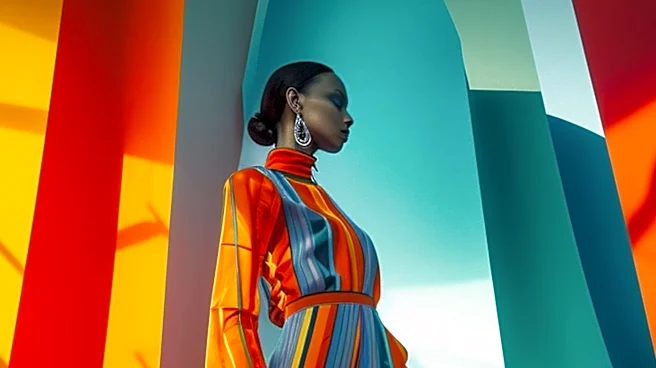
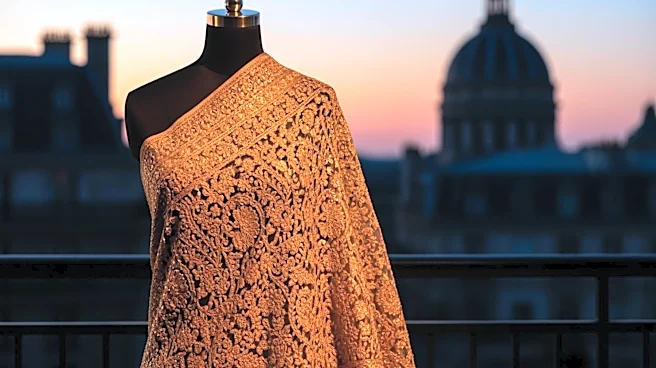
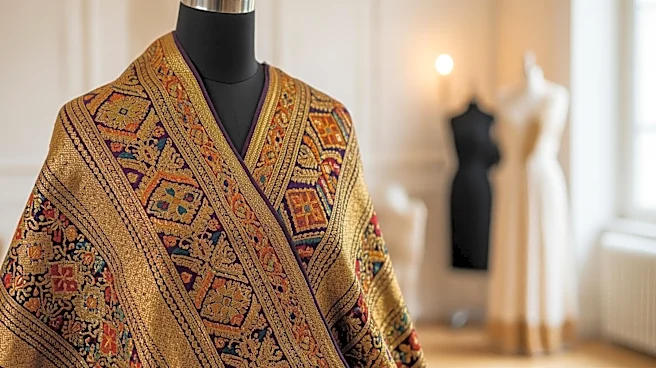
Rousteing’s aesthetic is the opposite of shy. His designs are often a riot of embellishment: intricate beading, gold embroidery, sharp-shouldered silhouettes, and body-conscious cuts that celebrate curves. It's opulent, sexy, and unapologetically loud. For his fans, this maximalism is a thrilling return to glamour and power dressing. It’s armor for the modern woman who wants to be seen. But in an industry that often cycles through periods of intellectual minimalism and deconstructed cool (think Phoebe Philo’s Céline or the rise of The Row), Rousteing’s flashy style is often dismissed by critics as gaudy or even vulgar. They question its originality, sometimes pointing to a repetitive formula of glitter and glitz that lacks the nuance and artistic depth expected from a top-tier Parisian house.
Democratizing Luxury or Diluting It?
Rousteing’s vision extends beyond the runway. His blockbuster 2015 collaboration with H&M was a landmark event, causing stampedes and crashing websites. It brought the Balmain look to the masses at a fraction of the price. From a business perspective, it was a masterstroke, amplifying the brand’s global awareness exponentially. He argues that luxury should be more inclusive and that everyone deserves to dream. This resonates powerfully with a younger, aspirational audience. However, the old guard of luxury sees this as a dangerous game. The core value of a luxury brand, they contend, is its exclusivity and unattainability. By partnering with fast-fashion retailers and chasing mass-market appeal, Rousteing is accused of diluting the very essence of what makes Balmain a luxury good, trading long-term prestige for short-term commercial gain.