






The Case for Understated Elegance
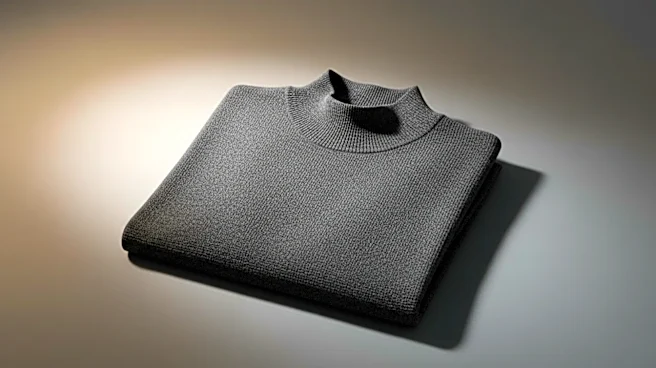
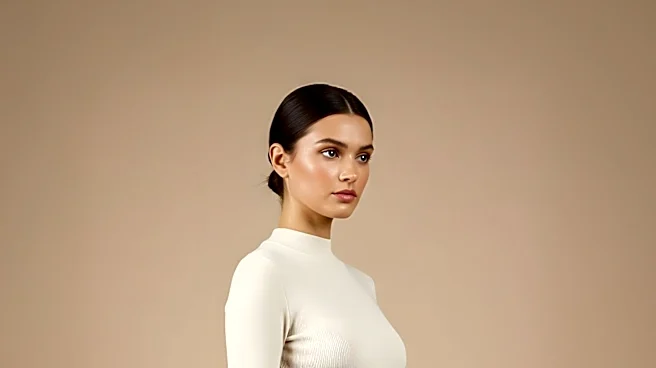
For one camp of designers, the mock neck is the epitome of thoughtful, minimalist design. Its appeal lies in its clean, architectural lines. Unlike a crew neck, it offers a more structured frame for the face, and unlike a full turtleneck, it does so without
the bulk or potential for feeling restrictive. Proponents see it as a versatile layering piece that adds a touch of sophistication to almost any outfit. It can be slipped under a blazer for a modern take on professional wear, paired with jeans to elevate a casual look, or even used to add dimension under a slip dress. The beauty, they argue, is its restraint. It suggests a certain intellectual or artistic sensibility, tracing its roots to the beatniks of the 50s and 60s who favored the style. It’s a garment that feels intentional and polished without trying too hard, offering a quiet confidence that its louder counterparts can’t match.
The Argument Against Awkward Proportions
On the other side of the debate, some designers and critics find the mock neck fundamentally unflattering. The core of their argument is about proportion. The collar’s height can be tricky, visually shortening the neck and creating a strange, truncated silhouette on some body types. For those who are sensitive to fabric around their neck, it can feel constricting without offering the definitive warmth and coziness of a true turtleneck. There’s also the issue of its cultural baggage. For many, it's hard to separate the garment from its less-than-chic associations, whether that’s a dated 90s look or the unofficial uniform of tech entrepreneurs. Critics argue it often occupies an awkward middle ground—not quite formal, not quite casual, and in danger of looking bulky or simply odd. Some find it looks best only when layered, suggesting it can’t quite stand on its own as a strong design choice.
The Specter of Steve Jobs
No discussion about the mock neck is complete without mentioning Steve Jobs. The Apple co-founder’s uniform of a black mock neck, jeans, and sneakers is one of the most enduring style signatures of the modern era. His chosen shirt was a custom-made piece by Japanese designer Issey Miyake. After a trip to Japan, Jobs was inspired by the uniforms Miyake had designed for Sony and asked him to create a vest for Apple employees—an idea that was soundly rejected. However, a friendship blossomed, and Jobs later asked Miyake to make him a supply of his favorite black turtlenecks, which he was famously said to have a hundred of. This association both immortalized the mock neck and complicated it. It became a symbol of innovation, minimalism, and iconoclastic genius. But it also tethered the style so tightly to one person that for other wearers, it can feel like they're sporting a costume.
A Modern Wardrobe Compromise
Today, the mock neck’s resurgence suggests a truce in this style war. Contemporary designers are reinterpreting the garment in new fabrics and fits, moving beyond the tight, ribbed styles of the past. You can now find them in relaxed cashmere knits, breathable cotton for warmer weather, and even sleeveless versions. The key to wearing it well, according to stylists, is balance. If the mock neck is fitted, pair it with looser trousers or a flowing skirt. If it's a bulkier sweater, keep the bottom half sleek with slim-fit jeans. Playing with texture—like pairing a fine-knit mock neck with a leather skirt or corduroy pants—can also add modern interest. For those wary of the neck-shortening effect, wearing your hair up or adding statement earrings can help elongate your lines and draw focus upward. Ultimately, its enduring presence proves its versatility.