
The Plain Hem (or Blind Hem)
This is the most common and versatile finish for trousers. On a well-made plain hem, the stitching is invisible from the outside, creating a clean, uninterrupted line from your waist to your shoes. This minimalist style is the default for most formal
and business trousers, including suits and tuxedos, as it offers a streamlined and elegant silhouette. Its simplicity makes it a safe and appropriate choice for nearly any type of pant, from slim-fit dress slacks to casual chinos. A plain hem is particularly flattering for shorter individuals, as the continuous line can create the illusion of longer legs.
The Cuffed Hem (or Turn-Up)
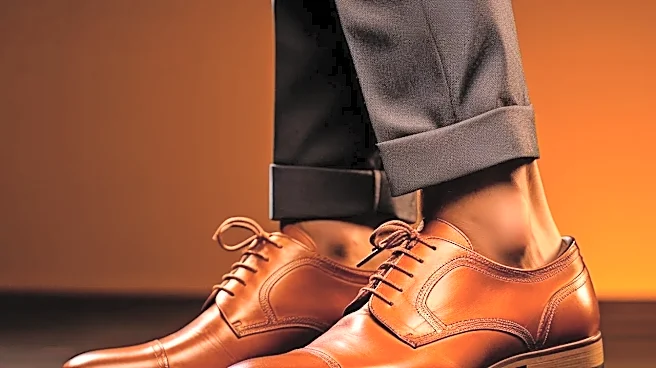
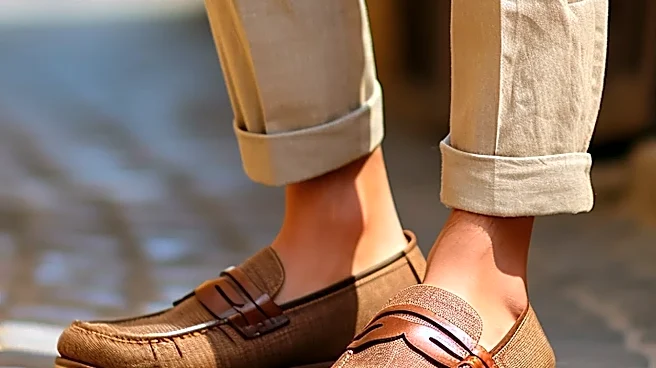
A cuffed hem, also known as a turn-up, is created by folding the bottom of the trouser leg outward to form a visible band. This classic detail adds physical weight to the hem, which helps the trousers hang more cleanly and creates a better drape, especially with heavier fabrics like wool flannel, tweed, or corduroy. Cuffs are traditionally associated with classic menswear and are often paired with pleated trousers. While they add a touch of sophistication, they are considered slightly less formal than a plain hem and should be avoided on tuxedos. A standard cuff is typically 1.5 to 2 inches, with taller individuals sometimes opting for a wider cuff.
The Stitched Hem (or Top-Stitched Hem)
Unlike the invisible finish of a blind hem, a stitched hem features a visible line of thread around the bottom of the pants. This is the standard finish for more casual and durable trousers like jeans, chinos, and cargo pants. The visible stitching isn't a flaw but a deliberate design choice that signals a more relaxed, utilitarian purpose. For denim enthusiasts, preserving the original factory hem, with its specific stitching and built-in fading, is often a priority during alterations. This special technique is sometimes called a 'Euro hem'.
The Split Hem
A more modern and fashion-forward choice, the split hem features a small slit at the bottom of the pant leg. This opening can be at the front, side, or along the inseam. The split adds movement and visual interest, but its primary function is to create a slight flare that showcases your footwear. This detail can make your legs appear longer and is a popular way to update classic silhouettes like straight-leg pants or leggings. Pairing split-hem pants with pointed-toe shoes or distinctive ankle boots can create a particularly sharp and contemporary look.
The Frayed or Raw Hem
An intentionally unfinished look, the raw or frayed hem is most commonly found on jeans and other casual cotton pants. This style is achieved by simply cutting the fabric to the desired length and letting it naturally fray over time, or by manually distressing the edge. While it can be a DIY project, many brands now sell garments with this built-in, relaxed detail. It offers a laid-back, slightly rebellious vibe that works well for casual weekend wear but is generally inappropriate for any professional or formal setting.