







The Myth of the 'Neutral Site'
In American sports, a neutral site game, like the Super Bowl, is just that—neutral. Fans from both teams travel, but neither truly owns the building. International soccer tournaments held in the U.S. operate on a different logic. Cities like Miami, Los
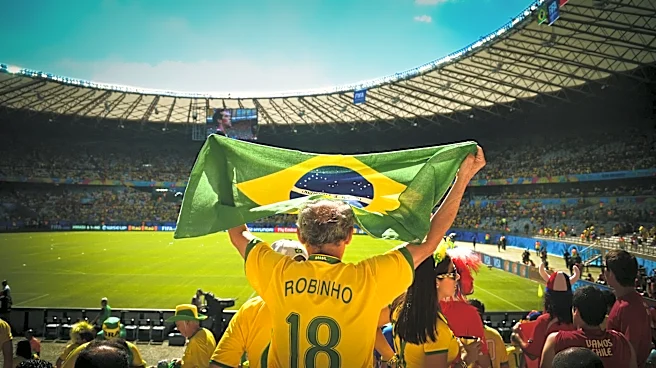
Angeles, and Houston aren't just hosts; they are destinations for massive, passionate, traveling fan armies from countries like Brazil, Argentina, and Colombia. For these fans, a Copa América match in the States is a pilgrimage. They plan vacations around it, book flights in massive groups, and descend on a city with the sole purpose of turning a 70,000-seat NFL stadium into a fortress for their team. It’s not a game; it’s an invasion of the most joyous and colorful kind.
America's Built-In 'Away' Crowds
The single biggest factor is one of the United States' greatest strengths: its multicultural population. When Mexico’s national team, El Tri, plays in Dallas or Phoenix, it’s not truly a road game. It’s a home game for the millions of Mexican Americans whose first sporting love is, and always will be, El Tri. The same is true for the vibrant Colombian communities in Florida or the passionate Argentinian expats in the Northeast. These aren't just fans; they are deeply connected communities for whom the national team is a primary source of cultural identity and pride. They fill the stands not just as spectators, but as representatives of their heritage, creating a level of organic, localized support that the U.S. fan base often has to travel to replicate.
A Different Culture of Support
The very nature of fandom is different. American sports crowds are largely reactive. We get loud on third down, for a breakaway dunk, or after a home run. Global soccer support is proactive and relentless. Supporters’ groups, known as 'barras' or 'ultras,' function like a highly organized 12th man. They don’t just show up; they coordinate. They have songbooks, designated drummers, and 'capos' who lead 90 minutes of non-stop, synchronized chanting. This constant wall of sound isn't just about cheering—it's a strategic tool designed to energize their own players while creating an oppressive, distracting environment for the opposition. That unending rhythm of drums and song is precisely what makes a stadium feel like a hostile road playoff arena, where the air itself seems to be against you.
The Stakes Are Simply Higher
For many nations, the national soccer team carries a weight that transcends sport. It represents history, politics, and national pride on a global stage. A World Cup or Copa América isn't just a tournament; it's a referendum on national identity. This imbues the fan experience with an intensity that’s hard to match. While American fans are deeply passionate, the U.S. has a crowded sports landscape with the NFL, NBA, and MLB dominating the daily conversation. For fans of Argentina, Brazil, or Mexico, soccer is often the undisputed king. That singular focus translates into a level of do-or-die urgency in the stands that can shock the uninitiated and easily overwhelm a more fragmented American fan base that is still building its own deep-rooted traditions.