



The Shifting Center of Gravity
For years, the quintessential comic convention experience was defined by a mad dash for exclusive, mass-produced merchandise. Fans would stand in line for hours to secure a limited-edition action figure or a variant comic book cover from a major publisher.
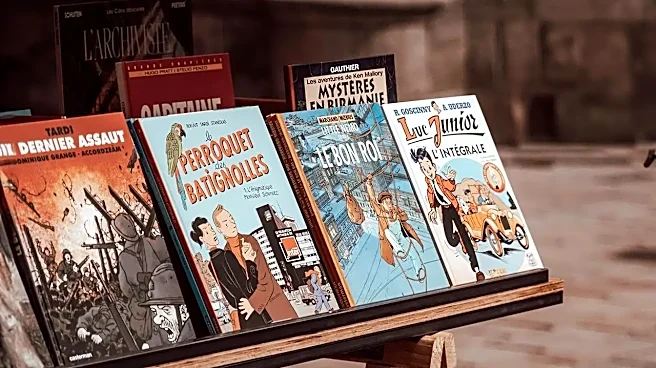
While those crowds still exist, the true energy for a growing number of attendees is now found elsewhere. The real heart of the modern convention floor is increasingly Artist Alley, a sprawling section of the event dedicated to the independent creators, illustrators, and writers who are the lifeblood of the industry. Observers at recent major conventions, including NYCC, have noted that the foot traffic and sustained engagement in these areas seem more intense than ever, with fans spending more time and money connecting directly with artists.
Why Art Is the New Ultimate Collectible
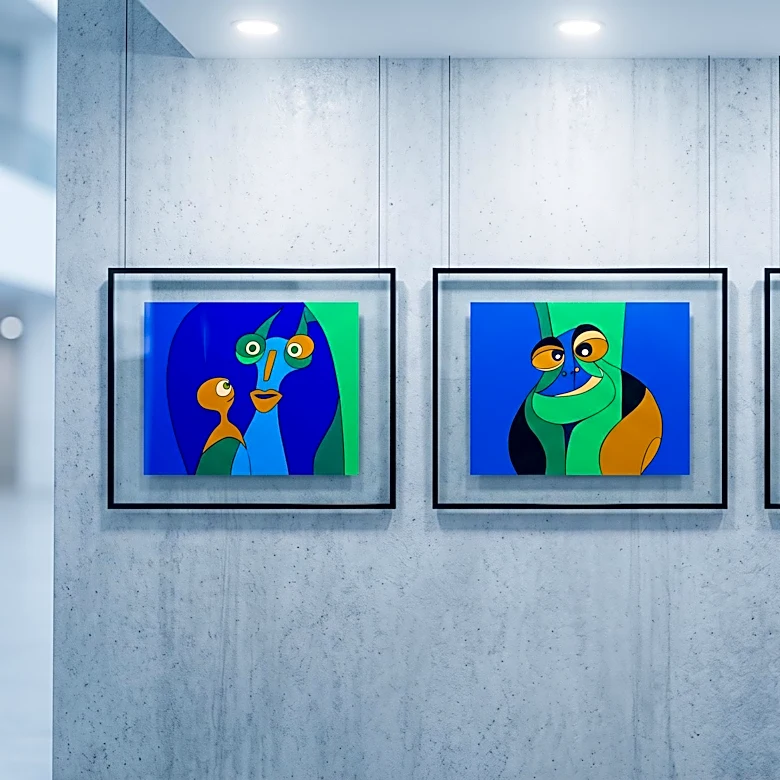
So, what’s driving this change in spending habits? It’s a multi-layered phenomenon. For one, fans are seeking a more personal and unique connection to the properties they love. Owning a one-of-a-kind sketch of a favorite character, or a print signed by the person who drew it, offers a story and a level of personal investment that a t-shirt or a plastic figurine simply cannot match. It’s the difference between buying a product and commissioning a piece of art. This desire for authenticity is also a quiet rebellion against the increasingly corporate nature of large-scale fandom events. As major entertainment brands occupy larger and more elaborate spaces on the show floor, some fans are turning their wallets toward the individual creators. Supporting an artist directly feels more impactful and is a tangible way to ensure the people who create the culture can continue to do so.
The Economics of Fandom
This isn't just a sentimental shift; it has a real economic basis. In a broader market that is seeing a surge in the sale of smaller, more affordable art, Artist Alley fits perfectly. Fans can buy high-quality prints for a modest price, often less than an exclusive collectible, or they can save up for a more significant commissioned piece. Many attendees now arrive with a specific budget allocated just for art. For the artists, this trend is a lifeline. Conventions are a primary source of income for many independent creators, and the growing fan willingness to invest in their work over licensed goods directly fuels their ability to create. The rise of the creator economy has empowered fans to see themselves not just as consumers, but as patrons. They understand that their dollars can have a direct and meaningful impact on the artists they admire.
A More Mature Fandom
Ultimately, the move toward prioritizing art signifies a maturation of fan culture. It reflects a deeper appreciation for the craft and the individuals behind the entertainment. The goal is no longer just to acquire a status symbol, but to build a collection that reflects a personal journey through various fandoms. An art portfolio tells a different story than a shelf of unopened boxes. It speaks to specific moments of connection—a conversation with an artist, the discovery of a new indie comic, or the thrill of seeing a favorite character brought to life just for you. It’s a more intimate, sustainable, and arguably more rewarding way to be a fan. While the big booths and their dazzling displays will always be a part of the spectacle, the quiet transactions happening between fans and artists represent a powerful and positive evolution in the pop culture landscape.