







The Myth: All Running, No Action
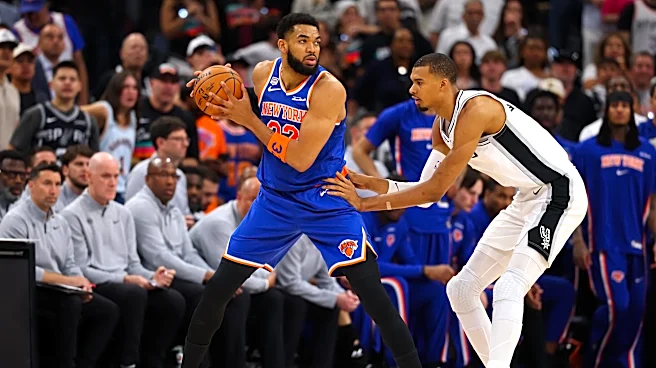
The most common complaint is that a soccer match is 90 minutes of aimless running punctuated by very little excitement. Compared to the explosive, stop-and-start rhythm of American football or the constant scoring of basketball, soccer can feel meandering
to the uninitiated. The ball moves back and forth, but the score often doesn’t. This perception fuels the idea that there's a fundamental lack of 'action' compared to what U.S. fans are used to seeing on a Sunday afternoon.
The Fact: It Has More Action Than the NFL
Here's a dose of statistical reality that surprises many: the average NFL game contains only about 11 to 18 minutes of actual, ball-in-play action. The rest is spent on huddles, play calls, replays, penalties, and commercials. A soccer match, by contrast, has a running clock and features an average of 60 minutes of 'ball-in-play' time. The 'action' isn't just about scoring; it's about the constant tactical adjustments, the build-up of pressure, the duels between players, and the strategic movement off the ball. It’s a 90-minute chess match played at a sprint, where the tension builds relentlessly until it’s released in a single, explosive moment.
The Myth: Low Scores Equal a Boring Game
An American sports fan is conditioned to expect points. A 105-102 basketball game is a nail-biter; a 35-31 football game is a classic shootout. So, a 1-0 score line in soccer can feel anticlimactic and, frankly, boring. If the main point of a game is to score, and it barely happens, what's the appeal? This perspective sees the scarcity of goals not as a feature but as a fundamental flaw in the entertainment value of the sport.
The Fact: Scarcity Makes Goals More Meaningful
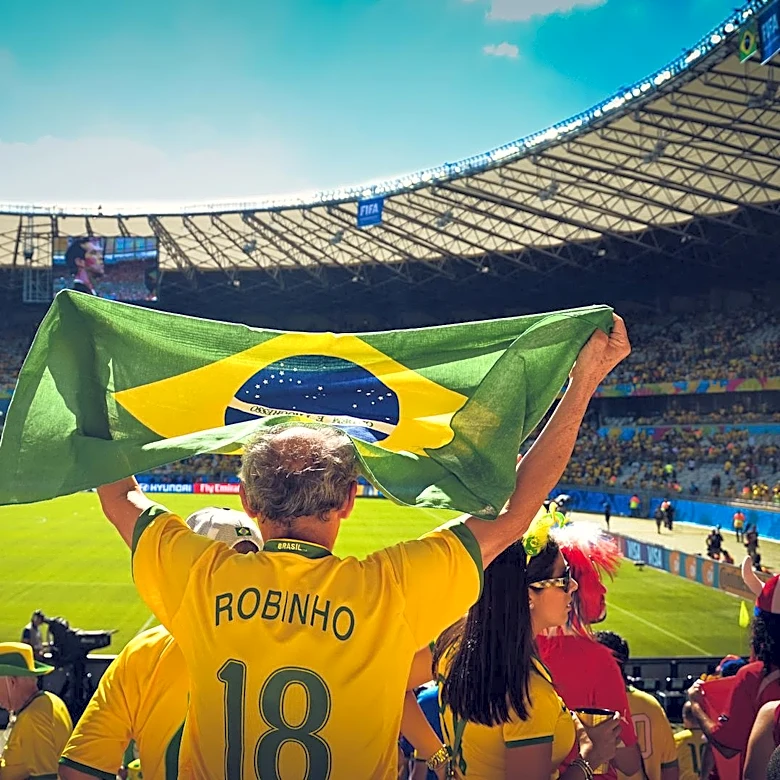
Soccer fans argue the opposite. The very difficulty of scoring is what makes each goal a monumental event. A goal in soccer isn’t just a point; it’s a cathartic release of 90 minutes of built-up tension, a singular moment of brilliance or luck that can decide an entire contest. Think of the roar of a stadium when a late winner is scored—it's a level of explosive joy that’s hard to replicate when points are tallied every 24 seconds. The drama in soccer doesn't come from the quantity of scores, but from the immense weight and quality of each one. Every near-miss, every great save, and every defensive stop carries the weight of a potential game-changing moment.
The Myth: Americans Just Don't Watch It
For years, the narrative was that soccer was a niche sport in the U.S., played by kids but ignored by adults. The common wisdom held that despite decades of trying, 'the beautiful game' could never truly break through the wall of the NFL, NBA, and MLB. It was seen as a foreign pastime that simply didn't resonate with the American cultural mainstream.
The Fact: Viewership Is Exploding
This myth is perhaps the most outdated. Soccer is no longer a niche sport in the United States; it's a mainstream force. The 2022 men's World Cup final drew more American viewers than the World Series. Premier League matches on weekend mornings often rival college football games in key demographics. The arrival of Lionel Messi to MLS shattered viewership records for Apple TV+ and sent ticket prices into the stratosphere. The audience is young, diverse, and growing at a pace that other leagues envy. With the World Cup coming to North America in 2026, all signs point to the sport's influence only getting stronger.