






The Problem Next Door
To understand NRG Stadium, you have to look at its famous neighbor: the Astrodome. Once called the “Eighth Wonder of the World,” the Astrodome was the first of its kind, a fully enclosed, air-conditioned stadium that thumbed its nose at the weather. But
its fixed roof came with a major drawback: it couldn't grow natural grass. When Houston decided to build a new home for the NFL’s Texans and the Houston Livestock Show and Rodeo, they wanted the best of both worlds: the comfort of an indoor arena with the feel and flexibility of an open-air facility. The challenge was immense—create a space that could defy Houston's brutal summers while remaining versatile enough for football, rodeos, and concerts.
The NFL's First Retractable Roof
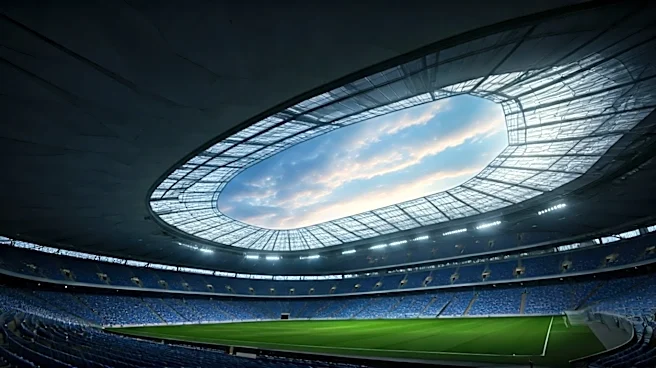
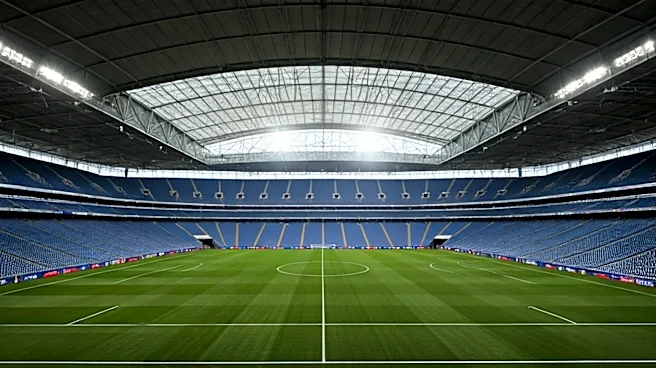
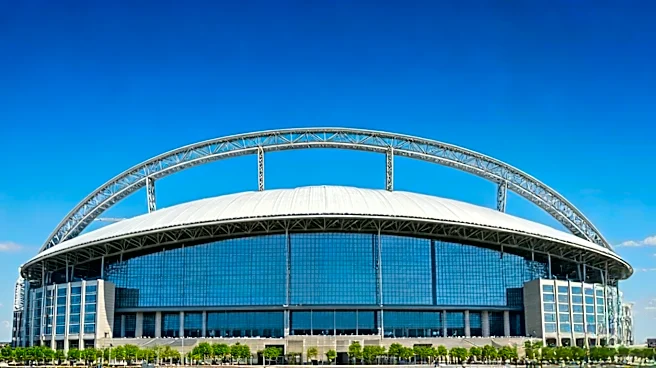
The solution, which opened in 2002, was revolutionary for its time: the first retractable roof in the NFL. It’s a massive, 180,000-square-foot structure made of two large panels that split at the 50-yard line and glide over the end zones. The whole operation, powered by electric motors, takes less than 12 minutes to open or close, controlled from a computer in the press box. But the real genius is in the material. The roof is made from a translucent, Teflon-coated fiberglass fabric. This fabric allows soft, natural daylight to filter onto the field—enough to support a grass field initially—while blocking the intense solar heat that would otherwise bake the 72,000-plus fans inside. At night, it makes the stadium glow from within.
Climate Control on a Texas Scale
A roof alone doesn't solve the humidity. When those panels close, NRG Stadium becomes one of the largest indoor air-conditioned spaces in the state. The HVAC system is an engineering marvel in itself, with a cooling capacity of 12,000 tons—enough power to cool approximately 2,400 homes. On a hot day with a packed house, the system is the single largest consumer of energy, battling not just the outside climate but the body heat generated by tens of thousands of people. It's a highly optimized system, using variable frequency drives and a central management system to cool occupied zones efficiently rather than wasting energy on empty space. This ensures a consistent, comfortable temperature across the seating bowl, avoiding hot spots or wind-tunnel effects.
Engineered for Everything
The stadium’s story isn’t just about comfort; it's about versatility. The designers planned for a life beyond football from day one. This is where the playing surface becomes part of the narrative. The stadium initially used a system of modular grass trays that could be removed for events like the Houston Livestock Show and Rodeo. While innovative, the system proved problematic, and the venue eventually switched to a high-tech artificial turf system that can be installed, removed, or covered quickly to accommodate its packed schedule. This flexibility allows NRG Stadium to transform from an NFL gridiron one week to a concert venue, a convention floor, or a dirt-covered rodeo arena the next. It’s a design that acknowledges the building must be a year-round workhorse to justify its existence.