






As the leaves turn and the air chills, a familiar pattern emerges at the multiplex and on streaming apps: the sudden onslaught of horror. This isn't a coincidence; it's a carefully crafted, decades-old studio strategy that turned autumn gold.
From 'Dump Month' to Prime Time
For years,
the early fall months of September and October were considered 'dump months' in the film industry. This was the time of year when studios would release films they had little confidence in—the quirky dramas, the misfire comedies, and the genre films that didn't have a nine-figure budget. The logic was simple: summer was for blockbusters, and the holiday season from Thanksgiving to Christmas was for prestigious, Oscar-contending films and family-friendly fare. The in-between was a cinematic dead zone, a place where movies went to be forgotten. Audiences were smaller, with kids back in school and adults saving their money for the upcoming holidays. Releasing a film in October was often seen as a sign of surrender, an admission that the project wasn't strong enough to compete in the premium summer or winter slots.
The Night A Slasher Changed Everything
Then came 1978. On a shoestring budget of around $325,000, director John Carpenter created 'Halloween'. Released in late October, the film was an independent masterpiece of suspense that defied all expectations. It wasn't just a movie; it was a cultural event that became one of the most profitable independent films ever made. Its success sent a shockwave through Hollywood, proving that a low-budget horror film, released at the right time, could become a massive financial success. 'Halloween' didn't just create a new iconic villain in Michael Myers; it created a new business model. It demonstrated that a film's theme could be powerfully aligned with its release date, creating a marketing synergy that was impossible to ignore. Studios realized there was a dedicated audience hungry for scares during the spooky season.
Building the October Habit
In the decades that followed, the strategy was refined and solidified. The 2000s saw the rise of horror franchises that turned the Halloween release window into an annual tradition. For seven straight years, from 2004 to 2010, a new 'Saw' film was released every October, conditioning audiences to expect a new installment like clockwork. After the 'Saw' series concluded, the 'Paranormal Activity' franchise immediately took its place, dominating the October box office with its found-footage scares. These franchises weren't just movies; they were events. Fans knew that October meant a new trip to the theater for the latest chapter in their favorite horror saga, making the release window itself a powerful marketing tool. A film's success became a self-fulfilling prophecy: people went to see horror movies in October because that's when the big horror movies came out.
More Than Just Horror
As the Halloween window became more valuable, the strategy evolved. It was no longer just for low_budget slashers. High_concept horror and thrillers with A_list stars began to target the season. A successful October release could generate significant revenue without having to compete with the behemoth budgets of summer superhero films. Furthermore, the month became a prime spot for counter_programming. While horror dominated, studios found success releasing prestige dramas and adult_oriented thrillers that appealed to audiences not interested in scary movies. A film like 2018's 'A Star Is Born' could thrive alongside a horror blockbuster like that year's 'Halloween' reboot, as they targeted completely different demographics. October became a more diverse and competitive landscape, a testament to its established power on the release calendar.
The Streaming Scare_a_Thon
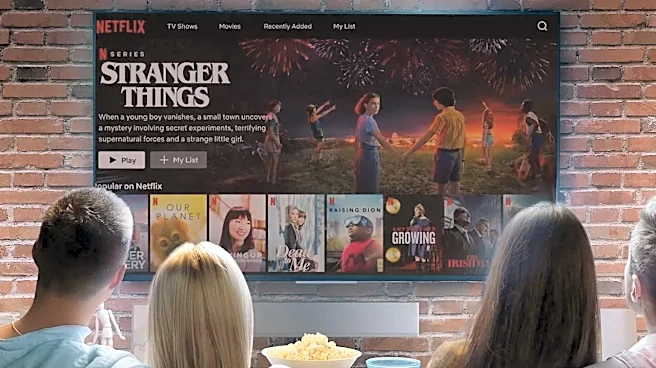
The rise of streaming has only intensified the Halloween strategy. Platforms like Netflix, Hulu, and Disney+ now treat October as a major event, launching curated content hubs with names like 'Netflix & Chills' and 'Huluween'. These services don't just add old scary movies to their libraries; they premiere original horror films and series, creating exclusive, highly anticipated events to drive subscriptions and engagement. From 'Stranger Things'-inspired costumes to makeup tutorials based on new horror characters, the online buzz generated by these streaming releases has made spooky season a month long digital festival. This has expanded the concept from a weekend trip to the theater into an immersive, at home experience that keeps audiences engaged for all 31 days of October.