




The Baseline: Why We Love Lactic Acid
First, a quick refresher on why lactic-acid lotions became such a staple in our routines. Lactic acid is an alpha-hydroxy acid, or AHA, that's celebrated for being a multi-tasking hero. It gently dissolves the bonds holding dead cells to the surface of
your skin, which helps improve texture and reveal a brighter, smoother appearance. Think of it as a chemical polisher for your body, buffing away roughness and dullness. Beyond exfoliation, lactic acid is also a humectant, meaning it pulls moisture into the skin, helping to keep it hydrated and plump. This dual-action power is what makes it so effective for everything from managing those pesky bumps known as keratosis pilaris to simply giving your limbs a healthy, radiant glow. Because it has a larger molecular size compared to some other AHAs like glycolic acid, it doesn't penetrate as deeply, making it a gentler option for many skin types, including sensitive ones.
The Unforced Error: Sun, Heat, and Sensitivity
Here's where the strategy shifts for summer. The very thing that makes lactic acid so effective—its ability to exfoliate and bring new skin cells to the surface—is also what requires extra caution in the sun. This newly exposed skin is more vulnerable and sensitive to ultraviolet (UV) radiation. Dermatologists refer to this as increased photosensitivity. Using an AHA like lactic acid can make your skin more prone to sunburn and long-term sun damage, including hyperpigmentation. Now, add summer heat and sweat into the mix. An intense, sun-drenched day, like one spent watching a five-set thriller at Wimbledon, means prolonged UV exposure. Sweat can also potentially increase irritation. It's a combination that demands a smarter, more defensive approach to your skincare. Ignoring this can turn your go-to smoothing lotion into a liability.
The Wimbledon Edit: A High-Stakes Environment
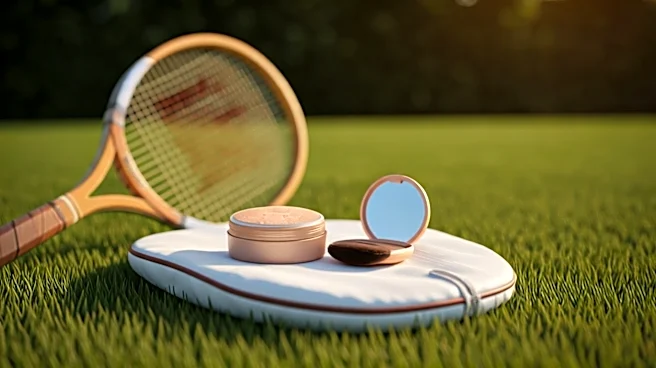
While the players are battling it out on the grass, spectators in the stands are enduring their own marathon against the elements. Picture hours spent in direct sun, with temperatures in London potentially climbing into the 80s or higher during a heatwave. This scenario is a perfect real-world stress test for any skincare routine. It’s not about what products are literally in a tennis star’s bag, but what this environment teaches us. The intense conditions highlight the absolute necessity of a non-negotiable skincare rule when using exfoliating acids: sun protection. The “beauty difference” the headline hints at isn't that the lotion works differently, but that your behavior must change dramatically to accommodate the environmental shift.
Your New Game Plan: Using Lactic Acid Safely in Summer
So, do you need to bench your beloved lactic-acid lotion until September? Absolutely not. You just need to adjust your technique. Think of it as moving from an all-out offensive game to a strategic defense. First and foremost, make exfoliating a nighttime-only activity. Apply your lactic-acid body lotion before bed to give it time to work without the immediate threat of sun exposure. This simple switch minimizes the risk of a photosensitive reaction. The next morning, and every morning, the most crucial step is applying a broad-spectrum sunscreen with an SPF of 30 or higher to all exposed skin. This is not optional; it’s the essential follow-through that protects your newly exfoliated skin. If you know you'll be spending a prolonged period outdoors, like at a match or a picnic, be diligent about reapplying your sunscreen every two hours. Finally, listen to your skin. If you notice any signs of irritation, redness, or unusual sensitivity, reduce the frequency of your lactic acid use to a few times a week instead of daily.