






A Sporting Revolution on the Court
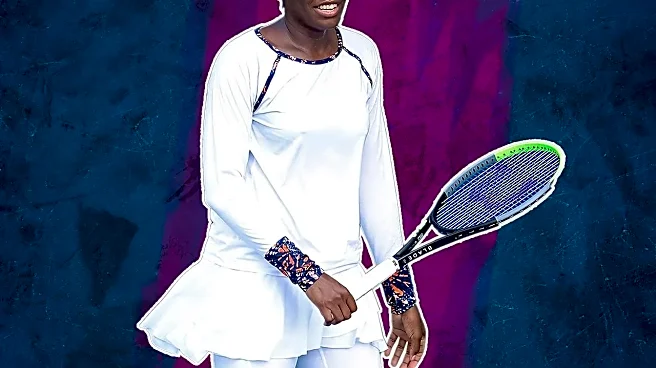
To understand piqué's role, you have to go back to the 1920s. Tennis attire was shockingly impractical, consisting of long-sleeved button-down shirts—often worn with ties—and flannel trousers. French tennis star René Lacoste, nicknamed "The Crocodile,"
found the uniform restrictive and hot. In a move that would change sportswear forever, he designed his own short-sleeved shirt made from a breathable, flexible, and lightly textured cotton knit called "petit piqué". He first wore his creation at the 1926 U.S. Open, introducing a level of comfort and performance that was revolutionary. This wasn't just a new shirt; it was an invention born from necessity, designed to offer freedom of movement while still looking sharp.
The Magic Is in the Weave
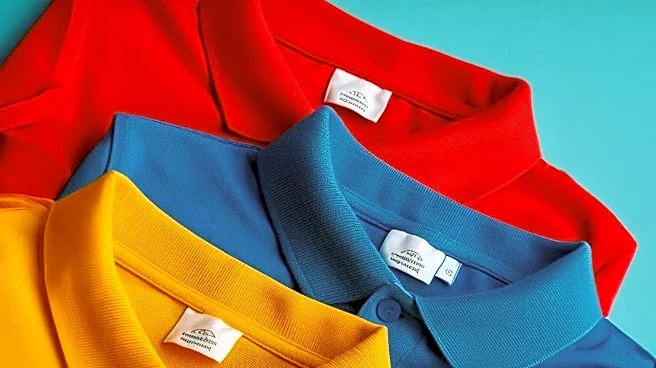
So what exactly is piqué? Unlike the flat, smooth surface of a standard jersey T-shirt, piqué is a knit with a three-dimensional texture. Its weave creates a subtle geometric pattern, often resembling a tiny honeycomb or waffle. This structure is the source of its unique advantages. The raised pattern creates small air pockets between the fabric and the skin, significantly improving airflow and breathability—a critical feature for an athlete. Furthermore, this textured knit is inherently more structured than jersey. It holds its shape better, resists wrinkling, and is less likely to cling to the body, especially when damp. The result is a garment that looks composed even under pressure.
Creating Depth and Shadow
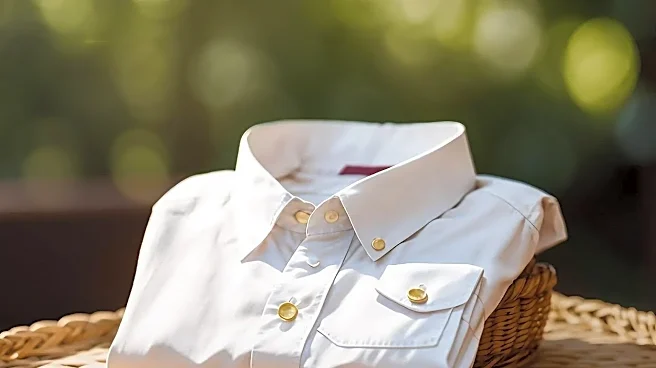
This is where piqué truly elevates an all-white outfit. A flat, white jersey fabric can look one-dimensional, almost like a blank canvas. In bright sunlight, it can appear washed out. Piqué’s textured surface, however, plays with light and shadow. The tiny hills and valleys of the honeycomb weave create subtle visual depth, making the garment look more substantial and luxurious. It prevents the white from looking flat or cheap, instead giving it a rich, tactile quality. This structure also helps a polo's collar stand up properly and gives the entire shirt a more tailored drape, which reads as more formal and refined than a softer, more casual T-shirt knit.
From Performance Gear to Preppy Staple
The refinement of piqué wasn't lost on the world outside of tennis. After Lacoste began commercially producing his shirts in 1933, the style was adopted by polo players and golfers, and eventually became a cornerstone of casual and "preppy" fashion. Brands like Fred Perry and, most famously, Ralph Lauren built their identities around the piqué polo shirt, cementing its association with a sophisticated, leisure-class lifestyle. This cultural context adds another layer of refinement. Wearing a white piqué polo today connects to nearly a century of sporting elegance and classic American style, carrying an legacy that a simple white T-shirt can't match.