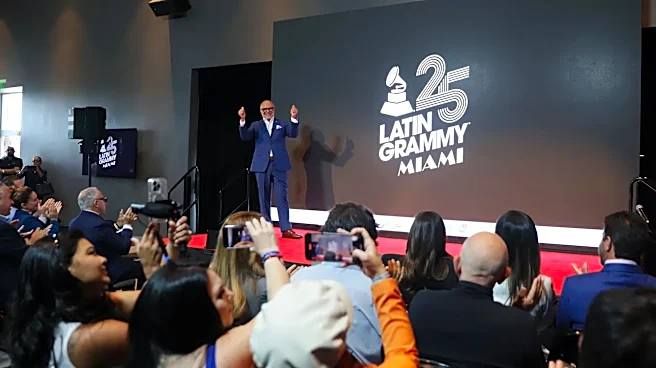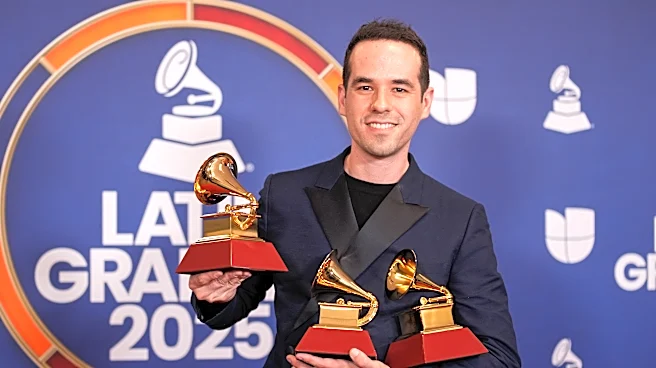









When the 27th Annual Latin Grammy Awards air live on November 12, it will be a three-hour spectacle of megastar performances and emotional wins. But with 60 distinct categories this year, how does it all fit? The short answer: it doesn't.
The Real Awards Show Happens Earlier
The secret to
the Latin Grammys' tight, television-friendly broadcast is that most of the awards are not given out during the main show. Like its counterpart, the Recording Academy's Grammy Awards, the Latin Recording Academy holds a separate event called the Latin Grammy Premiere. This is a multi-hour ceremony that takes place in the afternoon before the primetime telecast. While the evening show is a pop-centric production built for ratings, the Premiere is where the vast majority of golden gramophones—often 85-90% of the total awards—are handed out. It’s a more relaxed, artist-focused gathering where winners in dozens of specialized genres, from Regional-Mexican to Christian and Classical music, get their moment on stage without the pressure of a commercial break.
Crafting a Primetime Spectacle
So, what's left for the main telecast on Univision? The night's biggest, most commercially recognizable awards and, most importantly, the performances. The primetime show is less an awards ceremony and more a high-energy concert designed to attract millions of viewers. Producers select a handful of marquee categories to present live, typically the 'General Field'—Record of the Year, Album of the Year, Song of the Year, and Best New Artist—along with a few others from major genres like Pop or Urban. The rest of the airtime is dedicated to showcasing Latin music's biggest stars. For the 2026 show, that includes performances from Person of the Year Daddy Yankee, Anitta, Juanes, Rosalía, and many more. These performances are the engine of the broadcast, creating viral moments and celebrating the industry's dynamism in a way that reading a list of winners cannot.
The Art of the Acknowledgment
For the winners of the Premiere ceremony, recognition during the main show is brief but important. You might see their names scroll by in a graphic during a transition or get a quick mention from a presenter. While it doesn't compare to a full acceptance speech in primetime, this acknowledgment is a crucial part of the compromise. It ensures that every winner, from a legendary folkloric artist to a rising producer, is officially honored as part of 'Latin music's biggest night', even if their big moment happened hours before the red carpet arrivals were even televised. This system allows the Latin Recording Academy to celebrate the full breadth of Latin music, which includes dozens of subgenres and traditions from across Ibero-America, while still delivering a fast-paced show that keeps a mainstream audience engaged.
A Necessary Compromise
While some may argue that relegating most awards to a nonst televised event diminishes their prestige, it’s a logistical necessity that all major awards shows face. There is simply no way to present 60 awards, with acceptance speeches for each, in a three hour window filled with musical numbers and ad breaks. The dual ceremony format is the industry's accepted solution. It allows for comprehensive peer based recognition across all fields while ensuring the primetime broadcast is an entertaining, star driven production. For the artists, a win is a win, certified by their peers in the Latin Recording Academy. For the viewers at home, it means a night packed with unforgettable music, even if most of the trophies have already found their new homes.