

The Essence of Drape: Flow and Silhouette
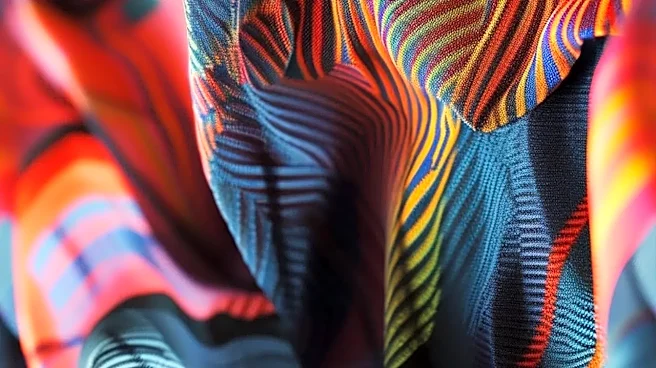
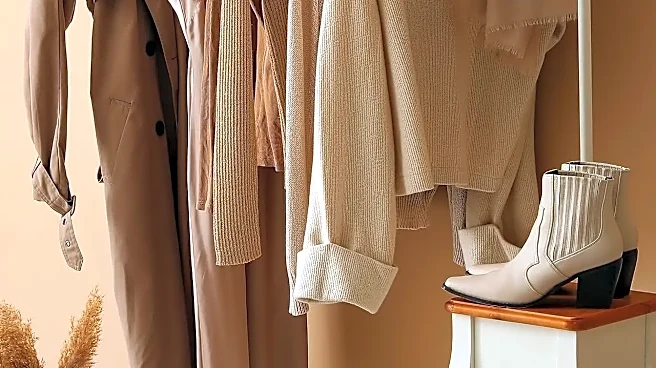
Think of drape as a fabric's personality when it's just hanging out. It’s the way a material naturally falls, folds, and moves under its own weight. A fabric with high drape is fluid and supple, creating soft, cascading folds that hang close to the body.
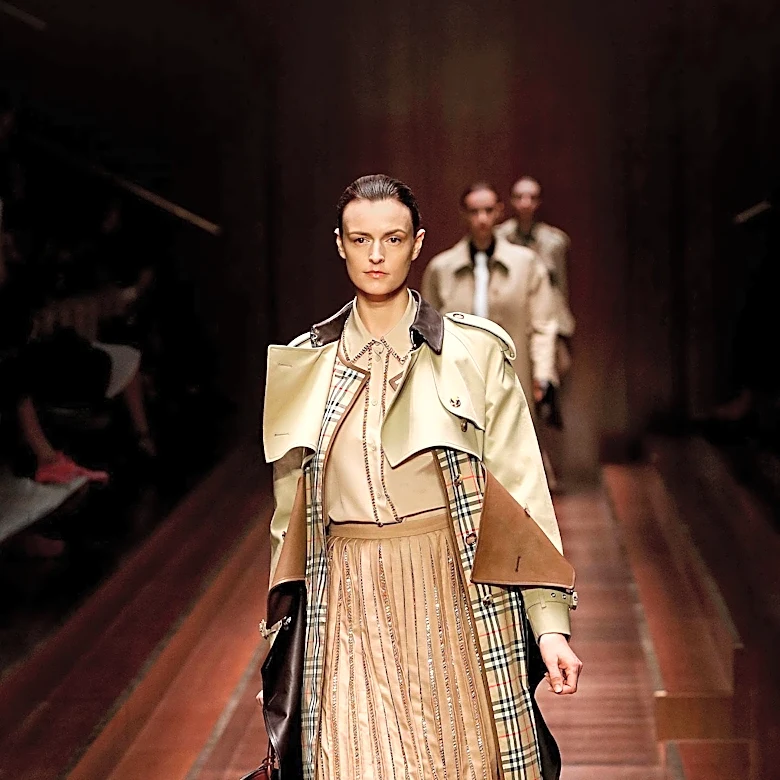
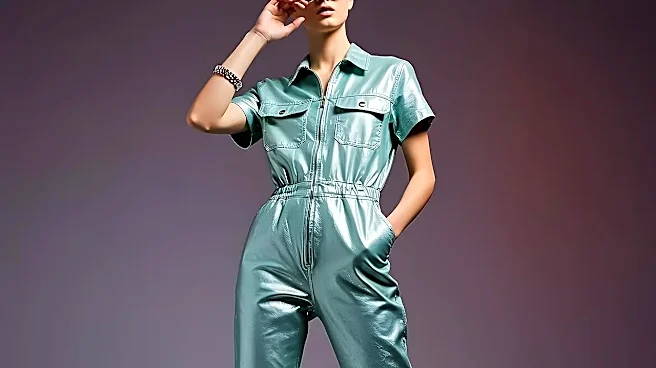
Picture a silk charmeuse dress or a lightweight viscose blouse; their beauty comes from their graceful, liquid-like movement. These materials don't hold their own shape but instead follow the contours of what’s beneath them. On the opposite end of the spectrum are fabrics with low drape. These are structured, stiffer materials like heavy denim, canvas, or corduroy. They hold their shape and stand away from the body, creating a more architectural silhouette. Think of a tailored blazer or a classic A-line skirt. Neither drape is inherently better; the right choice simply depends on the desired style. A floaty summer dress needs high drape, while a structured jacket requires the stability of low drape.
The Power of Stretch: Fit and Function
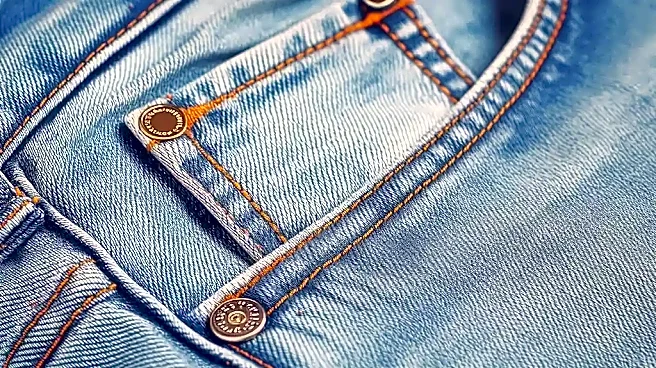
If drape is about how a fabric hangs, stretch is about how it gives. Stretch is a fabric's ability to extend and, crucially, recover its original shape. This quality primarily comes from two sources: the fabric's construction or its fiber content. Knitted fabrics, like the jersey used in t-shirts, have a natural mechanical stretch because their looped structure can widen and contract. Woven fabrics, like denim or twill, are typically rigid. To make them stretch, manufacturers blend in a small amount of elastic fibers—most commonly spandex (also known by brand names like Lycra or the generic term elastane). Even a 2-5% spandex content can add significant comfort and flexibility.
Two-Way vs. Four-Way Stretch
Not all stretch is created equal. You'll often see garments labeled with "2-way" or "4-way" stretch. Two-way stretch fabric typically only stretches in one direction, usually from side to side (crosswise). This is common in stretch jeans and casual shirts, providing comfort for everyday movements like sitting and bending. Four-way stretch, however, is the gold standard for activewear and performance gear. This fabric stretches and recovers in both directions—crosswise and lengthwise. This multi-directional give allows for complete freedom of movement, which is why it's essential for yoga pants, swimwear, and any clothing designed for high-intensity activity. It allows the fabric to move with your body, whether you're reaching overhead or squatting down, without pulling or losing its shape.
When Drape and Stretch Work Together
The magic of modern textiles is that you don't always have to choose between drape and stretch. Many fabrics are engineered to deliver both. A high-quality rayon jersey, for example, can have a beautifully fluid drape while also offering the body-hugging comfort of stretch. The same goes for fabrics like ponte, a stable double-knit that blends rayon for drape, nylon for durability, and spandex for stretch, making it a workwear favorite. Understanding how these two properties interact is a shopper's superpower. A fabric with high drape and no stretch, like chiffon, will flow beautifully but offer no give. A fabric with high stretch but low drape, like some athletic compression materials, will fit like a second skin but won't have any elegant flow. The sweet spot for many everyday garments, from t-shirts to dresses, is often a fabric that offers a moderate amount of both—enough drape to hang nicely and enough stretch to move with you.