




The Anatomy of an Understated Detail
So, what exactly is a jetted pocket? Unlike a patch pocket, which is a piece of fabric sewn onto the outside of a garment, a jetted pocket is internal. The opening is a slit cut directly into the face of the jacket, with the pocket bag hanging unseen
inside. This slit is then finished with two thin strips of fabric, called "jetts" or "welts," that frame the opening and provide reinforcement. The result is the cleanest, most minimalist pocket style available, offering a sleek, uninterrupted silhouette. It’s also known as a besom or piped pocket, but the principle is the same: the pocket is built into the garment, not onto it.
A Tailor's Test of Skill
The primary reason experts and high-end brands continue to use the jetted pocket comes down to craftsmanship. Creating one is a high-stakes endeavor. A tailor must cut a precise, straight line into the main body of the jacket—a mistake at this stage can ruin the entire panel. Constructing the jetts and attaching the internal pocket bag requires dexterity and skill, making it far more labor-intensive than simply sewing on a patch or a flap. For this reason, a perfectly executed jetted pocket is considered a hallmark of quality construction. It's a subtle signal that the garment was made with a high degree of care and expertise, something tailors themselves often look for when assessing the quality of another's work.
Sleek Form, Seamless Function
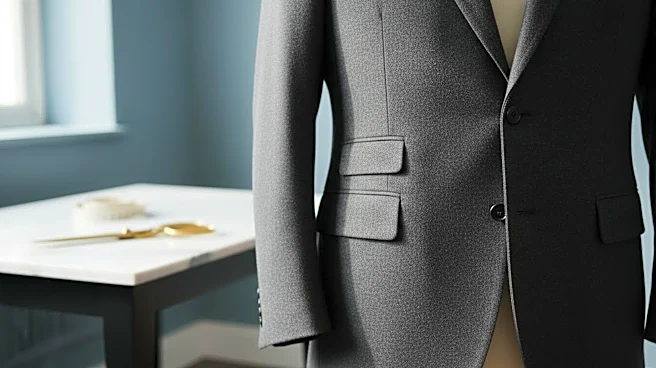
Aesthetics are the most obvious benefit. The clean line of a jetted pocket is unmatched for formality, which is why it is the standard, and often only, choice for tuxedos and dinner jackets. By eliminating external flaps or patches, the pocket doesn't disrupt the lines of the torso, creating a more streamlined and slimming effect. This minimalist look enhances the formal character of a garment. Flap pockets, by contrast, are considered less formal, tracing their origins to country and sporting wear where the flap was designed to keep rain and debris out. While a flap pocket can often be tucked in to mimic the look of a jetted pocket, only the true jetted pocket provides that completely flush finish.
The Expert's Choice for Formality
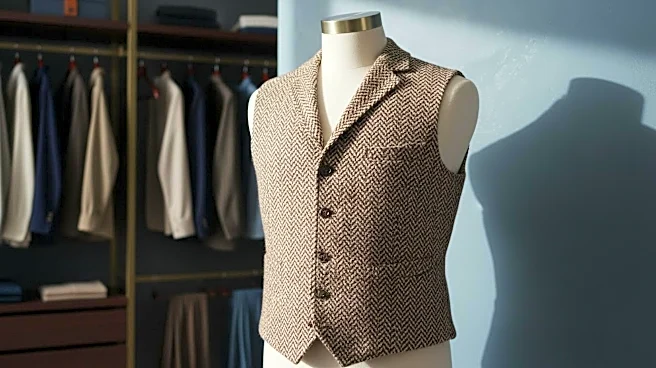
The jetted pocket's association with formalwear is its defining characteristic. You will almost always find them on tuxedos and evening wear. On a tuxedo, the jetting is often made from the same satin or grosgrain as the jacket's lapels, creating a cohesive and luxurious finish. While less common on everyday business suits, which typically feature flap pockets, a jetted pocket on a dark, solid suit can elevate its sharpness for a more contemporary, polished look in the boardroom. You'll also find them on formal trousers and the front of waistcoats, where their discreet nature preserves the garment's elegant lines.