

The Case for Timelessness
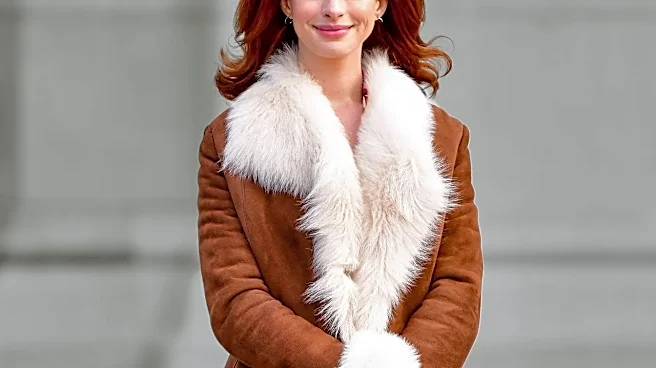
For many designers, the shearling coat is the epitome of an investment piece. Its argument is simple and powerful: unmatched warmth, natural materials, and a style that has proven its longevity for decades. Originating as functional gear for pilots in unpressurized
cockpits during WWII, it seamlessly transitioned into civilian life as a symbol of hardy elegance. Proponents point to its durable construction and the way genuine shearling develops a unique patina over time, making it a garment that gets better with age. Luxury fashion houses like Burberry and Saint Laurent consistently feature shearling in their winter collections, updating classic aviator and bomber silhouettes for a modern audience. They argue that in a world of fast fashion, the shearling coat stands for quality, durability, and a classic aesthetic that never truly fades.
The Argument for It Being Dated
On the other side of the aisle, some designers view the traditional shearling coat with skepticism. The primary critique is its bulk. In an era where sleek, lightweight technical fabrics and minimalist layering dominate, a heavy, sometimes cumbersome shearling can feel like a relic. Detractors argue that its distinct silhouette can feel more like a costume than a versatile piece of a modern wardrobe. While it excels in extreme cold, its practicality is questioned for those in milder climates or for whom ease of movement is paramount. The coat’s very specific, retro-heavy aesthetic can be a difficult style commitment, leading some designers to favor more adaptable and understated forms of outerwear.
The Great Material Debate: Real vs. Faux
Perhaps the most contentious point of disagreement today revolves around the material itself. The debate between real and faux shearling is complex. Real shearling is often positioned as a more sustainable choice by some, as it is a natural, biodegradable material and frequently a byproduct of the meat industry, reducing waste. However, its production raises significant animal welfare concerns, a point that has led many top brands and designers to renounce it entirely. Faux shearling offers a cruelty-free alternative that is more affordable and easier to care for. But it comes with its own environmental baggage. Most faux options are made from synthetic, petroleum-based fibers like acrylic and polyester, which are not biodegradable and contribute to microplastic pollution. This leaves designers in a bind, forced to weigh animal ethics against plastic pollution, with no easy answer.
A Question of Practicality and Price
Finally, the disagreement comes down to simple economics and practicality. A high-quality, genuine shearling coat is a significant financial investment, often costing thousands of dollars. This price point puts it out of reach for many and leads designers to question if it offers enough functional value to justify the cost. Genuine shearling requires professional cleaning and is sensitive to moisture, making it a high-maintenance garment that’s ill-suited for heavy rain or snow. While its warmth is exceptional, its weight and lack of packability make it less than ideal for travel or an active lifestyle. For these reasons, some creative directors prefer to channel their efforts into more accessible, versatile, and lower-maintenance outerwear that serves a broader audience.