



More Than Just Glitter
The modern idea of disco makeup is often reduced to craft-store glitter. The reality was more about a strategic, high-shine glamour designed for a specific environment: the nightclub. Before the disco era, most mainstream makeup was matte. But under the flashing
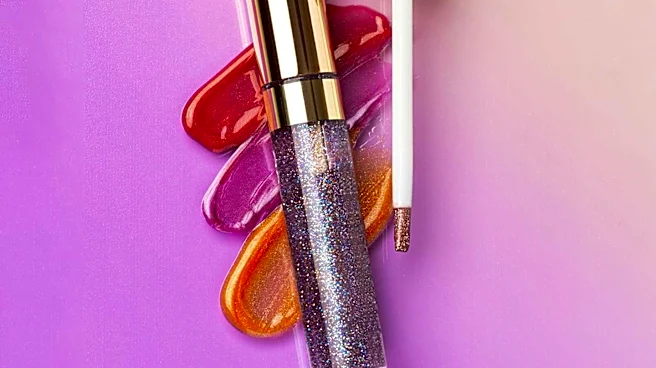
strobes and spinning mirror balls of clubs like Studio 54, matte makeup disappeared. The disco look was engineered to catch and reflect light, creating a halo effect in a dark room. This wasn't achieved with chunky glitter, but with new cosmetic innovations: pearlized powders, frosted lipsticks, and shimmery, finely-milled pigments containing mica that created a sophisticated sheen. Brands developed eyeshadows in earthy golds, coppers, and silvers, designed to create a luminous, almost wet look on the eyes. The goal wasn't just to sparkle; it was to be visible and radiant in the dark.
An Art Form, Not a Free-for-All
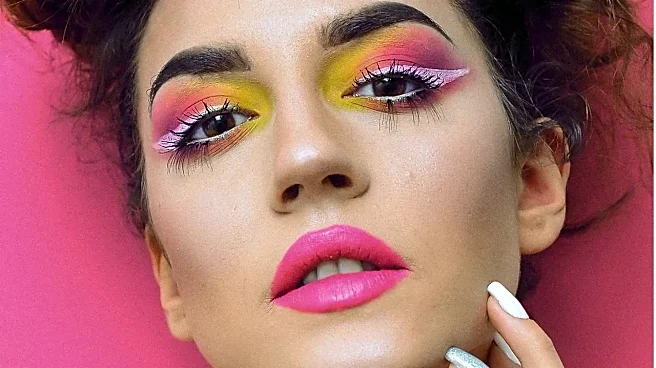
Another misconception is that disco makeup was an unskilled mess of bright colors. In truth, the popular looks required real technique. Dramatic, defined eyes were central to the aesthetic. This often involved applying a shimmering shadow across the lid and blending it up to the brow bone, then using a darker shade to cut the crease for depth. Heavy mascara on both top and bottom lashes and bold, sometimes winged, eyeliner were staples to make the eyes pop. While there was a spirit of freedom, the iconic looks seen on stars like Diana Ross and Cher were deliberate and polished. The face was a canvas, with high-shine lip gloss and strategically placed blush—often in a C-shape from the cheekbone to the temple—completing a look that was both expressive and intentional.
A Declaration, Not Just Decoration
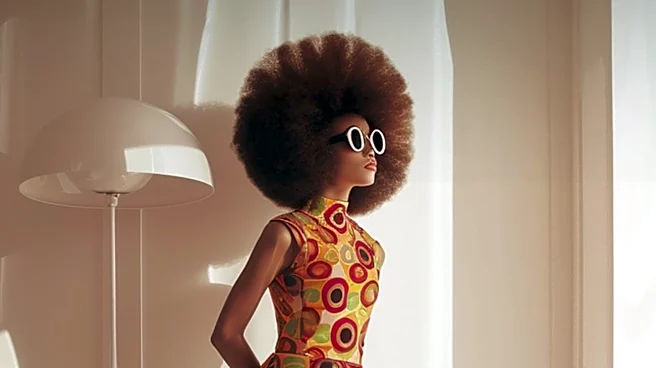
Perhaps the biggest misreading of disco makeup is seeing it as a frivolous trend devoid of meaning. In reality, it was a powerful symbol of the era's social and cultural shifts. The 1970s were a time of liberation movements, including women's lib and LGBTQ+ rights. The disco club was a sanctuary where marginalized communities could express themselves freely. For women, embracing a bold, glamorous look was an act of reclaiming their image, shifting away from the more subdued styles of the past. For many in the LGBTQ+ community, makeup became a tool for playing with gender expression; androgyny was celebrated, with men and women alike embracing eyeliner and shimmer. In the anything-goes atmosphere of the discotheque, your look was your statement of identity and defiance.
The Real Spirit of the Look
So why do we remember it as tacky? In part, because its most extreme elements became caricatured over time. But the authentic disco look was born from a specific cultural moment of rebellion and joy. It was a response to a new kind of social space and a newfound sense of freedom. The makeup wasn't just about fashion; it was about being seen, taking up space, and celebrating individuality on the dance floor. It was a visual manifestation of escapism and empowerment, worn as both armor and an invitation to connect under the glittering lights. The look was as diverse as the people who wore it, ranging from the high-glam of Halston's muses to the avant-garde experimentation of Grace Jones.