








More Than Just Fan Gear
For decades, wearing your team’s jersey was a straightforward act of allegiance. You bought the latest home kit, wore it on game day, and that was that. But somewhere along the line, that simple polyester shirt became something more complex: a fashion
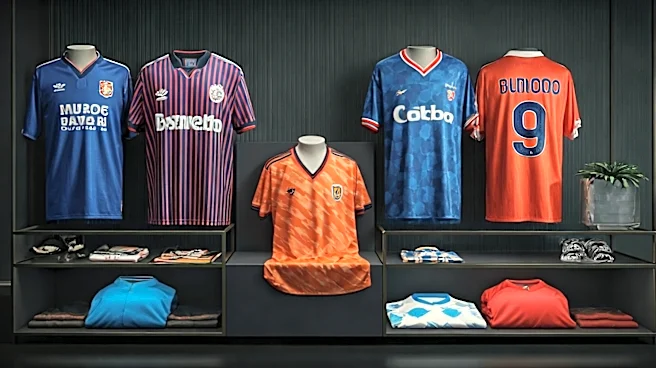
statement, a status symbol, and a tangible piece of history. Welcome to the world of soccer jersey collecting, a hobby that blends sports fandom with the thrill of sneakerhead culture and the nuance of art collecting. The recent rise of trends like “blokecore”—a fashion aesthetic celebrating vintage British soccer culture—has pushed jerseys from the stadium into mainstream style. Suddenly, a 1998 Brazil jersey isn't just for Ronaldo fans; it's a retro grail seen on runways and in coffee shops. This cultural shift has supercharged a niche hobby, turning it into a global marketplace where a single, rare kit can fetch hundreds, sometimes thousands, of dollars.
Anatomy of a Classic
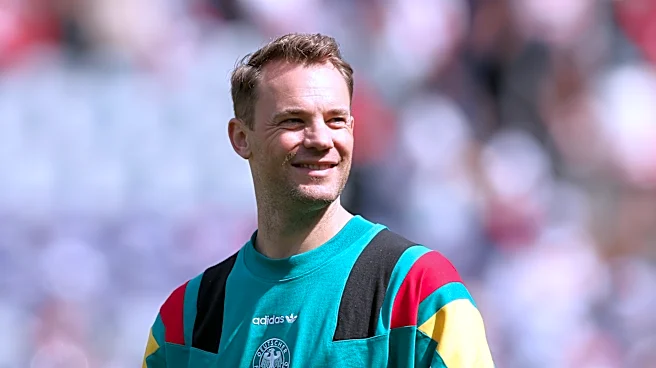
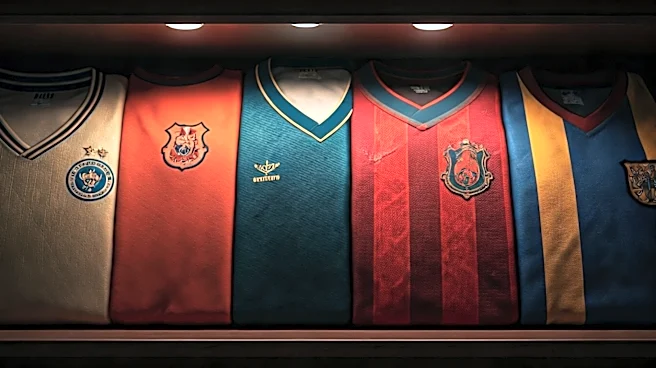
So what transforms a piece of sportswear into a coveted collectible? It’s rarely just one thing. First, there’s design. Bold, audacious patterns from the '90s—think Arsenal’s “bruised banana” away kit or Germany’s 1990 World Cup geometric masterpiece—are perennial favorites. These designs represent a specific, often beloved, era of creativity before modern templates streamlined everything. Then comes the story. A jersey becomes legendary when it’s tied to an iconic moment. Think of Diego Maradona’s 1986 Argentina shirt, the one he wore during the “Hand of God” goal, which sold for over $9 million. Or the vibrant orange of the Netherlands’ 1988 European Championship-winning kit, synonymous with the genius of Marco van Basten. Scarcity also plays a huge role. Limited-edition releases, like Nigeria’s instantly sold-out 2018 World Cup kit, create an immediate frenzy, while authentic player-issue versions are the ultimate prize for their rarity and connection to the pitch.
The Four Tribes of Collectors
The collecting world isn’t a monolith. It’s comprised of several distinct tribes, each with its own motivation. First, you have **The Historian**. This collector is a storyteller, seeking out jerseys that represent a specific moment in their club’s or country’s lore. For them, owning a 1999 Manchester United Treble-winning shirt is about holding a piece of that incredible narrative. Next is **The Hypebeast**. Driven by modern fashion trends, they hunt for the kits that are currently buzzing on social media. They were the first in line for the Nigeria ‘18 kit and are always eyeing collaborations between soccer clubs and fashion brands like Palace or Patta. Then there’s **The Investor**. This collector has a keen eye for the market, buying jerseys not just for love but for their potential resale value. They know which kits are undervalued and which modern releases will become future classics, treating their collection like a stock portfolio. Finally, there’s **The Loyalist**. This is the purest form of fan. They might only collect jerseys from one team—their team. Their collection is a timeline of their own fandom, a closet full of memories charting the highs and lows of a lifetime of support.
The Thrill of the Hunt
Finding these jerseys has become a sport in itself. While brands like Adidas and Nike periodically re-release “remake” versions of classic designs, true collectors want the original article. This has spawned a thriving secondary market. Websites like Classic Football Shirts and UK Soccer Shop have become massive online archives where you can find nearly any kit imaginable, provided you’re willing to pay the price. But the real magic often happens on eBay, Depop, and in dedicated Reddit forums and Facebook groups. Here, collectors trade stories, authenticate finds, and hunt for bargains. It’s a community built on shared passion, where finding a forgotten gem in a thrift store or winning a bidding war for a holy grail kit provides a rush that rivals the excitement of a last-minute goal. It's a testament to the idea that for many, the action off the pitch can be just as compelling as the action on it.