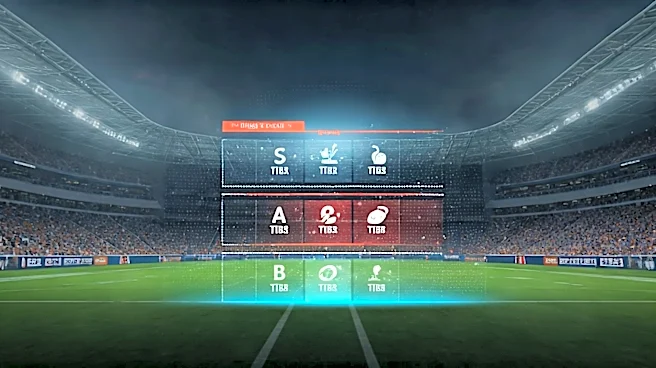







S-Tier: The World-Class Headliners
These are the can’t-miss, no-brainer destinations. They combine iconic status, massive infrastructure, and endless entertainment. They’re built to handle an event of this scale and offer the complete World Cup experience, even if they come with a higher
price tag. **Los Angeles:** The tournament is coming to the entertainment capital for a reason. SoFi Stadium is a modern marvel, the city is a global destination with endless food and culture, and LAX can handle the traffic. Yes, it’s sprawling and you’ll need a plan for getting around, but for sheer spectacle and big-event energy, LA is in a class of its own. **New York / New Jersey:** The Big Apple is the world’s city, and it will feel like the center of the universe during the Cup. While the games are technically in New Jersey, the proximity to NYC means limitless options for hotels, food, and sightseeing. The public transit infrastructure (despite its quirks) is designed for moving millions. The energy will be electric, and the global melting pot of fans will be on full display.
A-Tier: The Elite Contenders
These cities are fantastic choices that are just a tiny step behind the S-Tier, usually for one specific reason. They offer an incredible fan experience and might even be preferable for those seeking a slightly more manageable vibe. **Seattle:** Perhaps the best pure soccer city in the U.S. The Sounders have a fanatical following, and the entire city will embrace the tournament. It’s walkable, beautiful, and has a great downtown stadium. The only knock? It’s geographically isolated in the Pacific Northwest, making it a longer trip for many, and lodging can get tight. **Philadelphia:** Philly is the dark horse for the best host city experience. It’s a major historical and cultural hub with a world-class food scene. Most importantly, it has excellent public transit, a passionate and loud fan base, and a stadium complex that’s easily accessible. It offers an East Coast hub experience that’s more centralized and potentially more affordable than NYC.
B-Tier: The Solid Group Stage Picks
You’ll have a great time in these cities, but you need to go in with a game plan. They offer plenty of fun but have a notable logistical hurdle that keeps them from the top tiers. **Atlanta:** A transport hub with the world’s busiest airport and a stunning downtown stadium. The city knows how to host big events (Olympics, Super Bowls). The downside is its reliance on cars; while the stadium is central, exploring the city’s best neighborhoods requires some effort. **Boston:** A historic, beautiful, and incredibly walkable city. Boston’s passion for sports is legendary. The major caveat is that the stadium is in Foxborough, a 25-mile trek from the city center with notoriously tricky transit on game days. If you can solve that puzzle, the city itself is an A-Tier destination. **The Bay Area:** You get the incredible culture, food, and scenery of San Francisco and the surrounding area. But the games are at Levi's Stadium in Santa Clara, a full 40 miles south of SF. This geographic disconnect between the main tourist hub and the venue is a significant logistical challenge for visiting fans.
C-Tier: The Home-Field Advantage
These are fantastic American cities with deep soccer roots. However, for a massive international tournament, they present challenges for travelers in terms of infrastructure, lodging capacity, or transportation compared to the mega-cities. **Kansas City:** Don’t sleep on KC’s soccer passion—it’s arguably the most dedicated fan base in the country. The city is planning major transit upgrades, but it’s still a smaller market with fewer flight and hotel options, which will be strained by the World Cup crowds. It will be an amazing party, but a tougher ticket. **Dallas:** AT&T Stadium is an absolute palace, and Dallas is a major metropolis. The problem is that the stadium is in Arlington, a suburban city caught between Dallas and Fort Worth with almost no public transit to speak of. Your experience will be defined by rental cars and rideshares in sprawling traffic. **Houston:** Another massive, diverse Texas city with a great downtown stadium. Houston is a fantastic place, but its car-dependent sprawl is a real factor. Getting from your hotel to the stadium and to different pockets of the city will require patience and a transportation budget.
Bonus: The International Getaways
Don’t forget the co-hosts! These cities offer a completely different flavor of World Cup experience. **Vancouver & Toronto:** Both are incredible, multicultural world-class cities with vibrant atmospheres. Vancouver is stunningly beautiful, while Toronto is a bustling cultural hub. The primary considerations are the border crossing and a slightly different currency and cost structure. Both are elite destinations worth the passport stamp. **Mexico City, Guadalajara & Monterrey:** For the ultimate immersion, head south. You’ll find unrivaled passion at historic venues like the Estadio Azteca in Mexico City. The atmosphere will be absolutely electric. This is the top choice for fans prioritizing pure, unadulterated soccer culture above all else, but it requires the most planning for U.S. travelers.