




The Shadow of the '90s
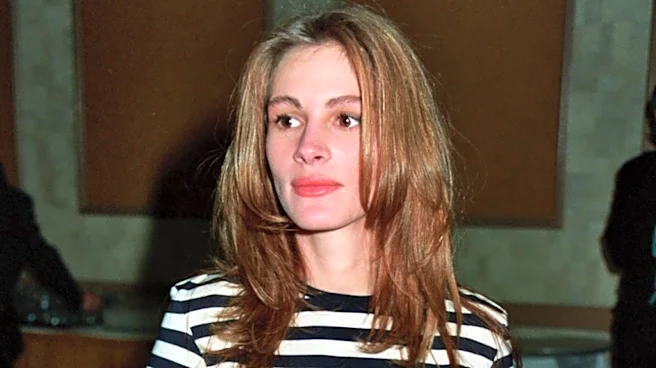
To understand the chaotic energy of Y2K style, you first have to remember the dominant mood of the 1990s. It was a decade defined by a sort of studied nonchalance and a search for authenticity. At one end, you had grunge: flannel shirts, ripped jeans,
Doc Martens, and a general suspicion of anything that looked too polished or corporate. Popularized by bands like Nirvana, it was a uniform of disaffection. On the other end of the spectrum was a severe, high-fashion minimalism. Think of Kate Moss in a simple Calvin Klein slip dress or the clean, androgynous lines of Helmut Lang. Even '90s hip-hop fashion, while vibrant, often favored baggy, comfortable silhouettes that prioritized attitude over overt sexuality. The common thread was a rejection of '80s excess. The '90s were cool, understated, and a little bit tired.
A New Millennium, A New Mood
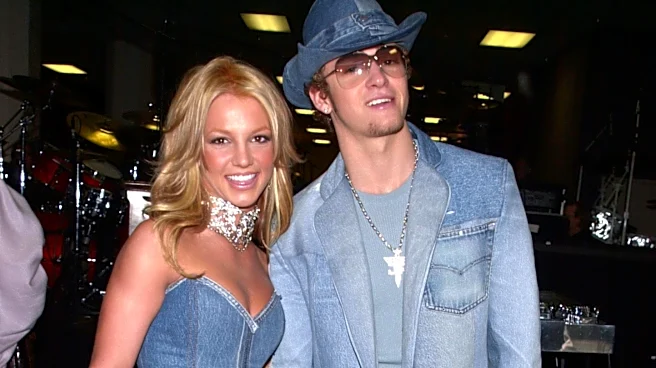
As the calendar ticked over to the year 2000, a wave of futuristic optimism—mixed with a healthy dose of anxiety about the Y2K bug—swept the culture. The internet was becoming mainstream, technology felt like magic, and pop music was dominated by slickly produced acts from masterminds like Max Martin. The gritty “authenticity” of the '90s suddenly felt like a downer. The new millennium demanded a new look, one that was forward-facing, unapologetically artificial, and fun. This was the birth of pop maximalism. If '90s style was about hiding or downplaying, '00s style was about showing off. It was less about being cool and more about being noticed. The angst of Kurt Cobain was replaced by the polished, aspirational choreography of Britney Spears and *NSYNC.
From Baggy Silhouettes to Body-Con
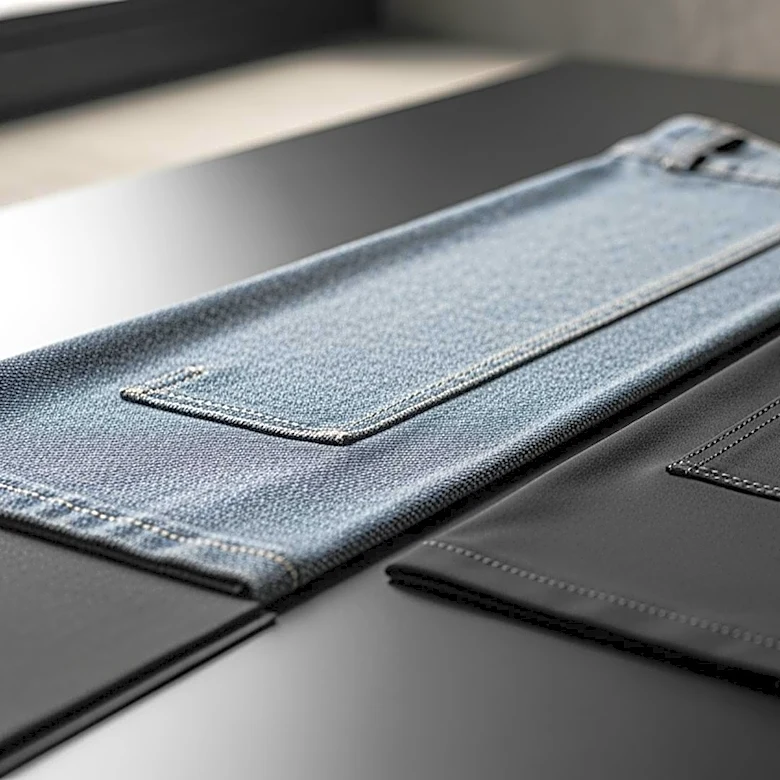
Perhaps the most obvious point of reaction was the silhouette. The '90s were the era of the baggy. Grunge and skater culture gave us loose-fitting jeans and oversized hoodies that obscured the body. The '00s answered by shrinking everything. The undisputed icon of this shift was the ultra-low-rise jean. Worn by everyone from Paris Hilton to Christina Aguilera, these jeans were engineered to expose as much midriff as possible, often paired with a crop top or a shrunken baby tee. It was a complete reversal of the previous decade’s androgynous shapes. This wasn't just a trend; it was a statement. It celebrated a very specific, toned, and often surgically-enhanced body type that was a far cry from the waifish “heroin chic” ideal of the mid-'90s. The body was no longer something to be hidden under layers of flannel, but a canvas to be decorated and displayed.
The Revenge of Bling and Logos
The minimalist '90s were suspicious of conspicuous consumption. Showing off your wealth was seen as tacky. But the early 2000s, fueled by a booming economy (before the dot-com bust) and the rise of reality TV, embraced branding with open arms. Suddenly, it was all about the logos. Juicy Couture tracksuits had the brand name splashed across the rear. Von Dutch trucker hats became a bizarre status symbol. Louis Vuitton’s multicolored monogram, a collaboration with artist Takashi Murakami, was the It Bag of the era. This wasn't just fashion; it was aspirational pop culture. It signaled a shift from the anti-corporate stance of grunge to a new reality where celebrity and branding were completely intertwined. Dressing like a pop star meant embracing the artifice, the logos, and the unapologetic “bling” that the '90s had tried so hard to leave behind.