






The Cult of the Opening Weekend
For decades, a movie's opening weekend gross has been the primary metric of its success or failure. It’s simple, dramatic, and easy to report. This model is built for blockbusters—think summer superhero flicks and holiday tentpoles. Studios spend hundreds
of millions on marketing to create an unmissable cultural event, ensuring that everyone rushes out to see it in the first three days. A massive opening signals to the industry that the marketing worked and allows the studio to recoup its investment quickly. Anything less than a record-shattering debut is often immediately labeled a disappointment or a flop. This front-loaded strategy works for films designed for mass appeal, but it creates a punishing environment for movies that need a little more time to find their audience.
The Power of "Legs"
In industry parlance, a movie that sustains its audience and has small week-over-week drops in revenue is said to have “legs.” These are the films that don't explode out of the gate but chug along steadily, building momentum through positive word-of-mouth. Instead of relying on a marketing blitz, these movies depend on audiences telling their friends, “You have to see this.” A film with strong legs might open to a modest $15 million but go on to earn over $100 million domestically. For example, movies like "The Greatest Showman" or Pixar's "Elemental" were initially considered underwhelming before strong audience reception gave them extraordinarily long and profitable theatrical runs. This model is particularly vital in the fall, a season traditionally reserved for more adult-oriented dramas, complex thrillers, and awards contenders.
The Anatomy of a Word-of-Mouth Hit
So what kind of film thrives on repeat viewings and word-of-mouth? Often, it's a movie that sparks conversation and demands a second watch. Films with intricate plots, surprise endings, or deep thematic layers—like "Get Out" or "Everything Everywhere All At Once"—benefit when viewers go back to catch the clues they missed the first time. These are movies that audiences debate, discuss online, and dissect with friends, which fuels a longer-lasting cultural footprint than a film that is consumed and forgotten in one weekend. Horror movies, a fall staple, also frequently build on buzz. A great scare becomes a dare among friend groups, propelling the film far beyond its initial numbers. The fall season is the perfect incubator for these films, as they face less competition from giant, four-quadrant blockbusters, giving them the breathing room they need for buzz to build.
Why This Model Is Crucial for Cinema's Future
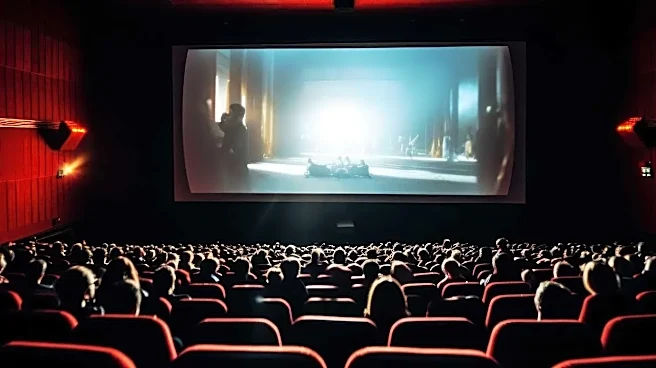
In an era dominated by streaming services that offer endless content at home, the theatrical experience has to justify itself. If the only metric for success is a gigantic opening weekend, studios will have little incentive to greenlight anything other than pre-existing IP and big-budget sequels. The business model of valuing “legs” and repeat viewings is what keeps mid-budget, original filmmaking alive. It proves that there is still a significant theatrical audience for thoughtful dramas, original concepts, and auteur-driven projects. This financial model encourages risk-taking and diversity in storytelling, ensuring that the multiplex isn't just a home for superheroes and animated sequels. It allows smaller, character-driven films to become profitable hits, sending a message to Hollywood that not every successful movie has to look the same.