





No Santa, No Problem
Christmas movies are built on a foundation of magic. Whether it’s Santa Claus, talking snowmen, or a timely holiday miracle, there’s often a supernatural element that solves the central conflict. Thanksgiving has none of that. There is no central myth,
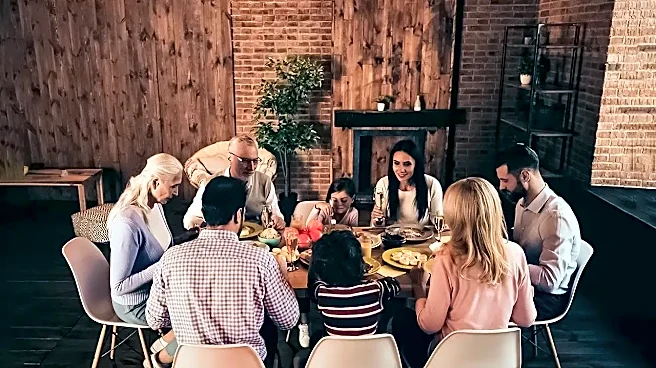
no magical figure to believe in. The holiday's narrative power comes from a far more grounded place: the people forced to interact around a dinner table. Without a magical solution, these films must find their drama in authentic human experiences like family tension, personal regret, and the awkwardness of reconnecting with people you see once a year. The result is a story that feels less like a fairy tale and more like a documentary of our own lives.
The Pressure Cooker of Family Dynamics
More than any other holiday, Thanksgiving is cinematically defined by family dysfunction. Films like Jodie Foster's 'Home for the Holidays' have become classics precisely because they capture the chaotic energy of a family reunion where old wounds are reopened and personalities clash. From sibling rivalries to political arguments over the turkey, these movies hold a mirror to our own experiences. The drama isn't about saving Christmas; it’s about surviving dinner. This focus on interpersonal conflict makes the characters and their struggles deeply relatable. Films like 'The Ice Storm' and 'Krisha' take this even further, using the holiday to explore the darker, more painful aspects of family life, showing how forced togetherness can lead to unraveling rather than reconciliation.
The Hellish Journey Home
Before the family drama can even begin, many Thanksgiving movies focus on a universally understood trial: holiday travel. 'Planes, Trains and Automobiles' remains the gold standard of the genre for this very reason. The film turns the stress of getting home for Thanksgiving into a hilarious and heartfelt odyssey. Neal Page's desperate, three-day struggle to cross the country is a comedic exaggeration of a reality many viewers know all too well—cancelled flights, questionable travel companions, and the mounting frustration of just wanting to be home. This 'journey home' trope provides a non-magical, external conflict that is both highly relatable and uniquely tied to the holiday's logistical nightmares.
Lower Stakes, Higher Authenticity
In a typical Christmas movie, the fate of the holiday itself is often at stake. In a Thanksgiving movie, the stakes are usually much smaller and far more personal: a daughter trying to cook her first turkey for her estranged family in 'Pieces of April', or a man simply trying to make it home in time for dinner. This shift in scale is crucial. Thanksgiving films don't need to sell a grand fantasy. Instead, they find meaning in the small victories and minor disasters of a single day. The goal isn't world-changing, but deeply personal and human. By focusing on themes of gratitude, forgiveness, and imperfect connections, these movies offer a different kind of comfort—the reassurance that it’s okay if your holiday, and your family, isn’t perfect.