



Decommodification: More Than Just No Cash
At its core, Burning Man is governed by ten principles, and 'decommodification' is a big one. It means creating an environment free from commercial sponsorships, advertising, and transactions. The goal isn't just to ban money; it's to resist the reduction
of human experience and expression into a product to be bought or sold. This principle forces a radical shift. Instead of being a consumer at a festival, you are expected to be a participant. The entire event is designed to protect the culture from being exploited for commercial gain and to elevate participation over consumption.
The Real Deal: Gifting, Not Bartering
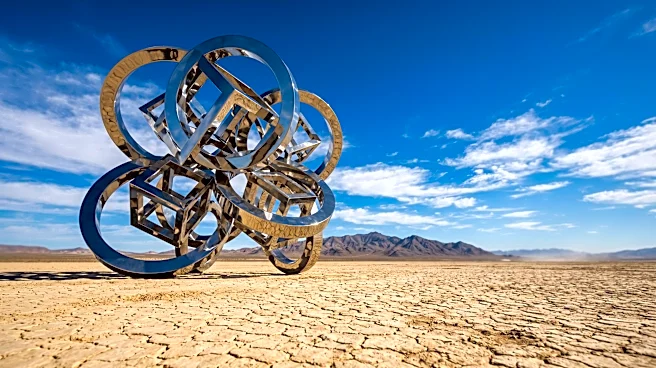
So if you can’t buy a cold drink, how do you get one? Through the 'gift economy'. This is a crucial distinction: it's not bartering. Bartering is a transactional exchange: 'I'll trade you this bracelet for that water.' Gifting, in the Burning Man ethos, is unconditional. You give something without expecting anything in return. This might be a meal, a performance, a helping hand fixing a tent, or a ride on a giant, fire-breathing metal octopus. The value of a gift is in the giving itself, which fosters a sense of community, gratitude, and social connection that transactional relationships often lack.
Your Reputation Is Your Wallet
In a place with no price tags, a different kind of currency emerges: social capital. Your reputation, your contributions, and who you know become incredibly valuable. The incentive isn't to accumulate wealth, but to build a name for yourself as a creator, a helper, or someone who provides an amazing experience. Are you part of the camp that builds an elaborate, interactive art piece? Do you volunteer to help the event run? This is how you build status. This system creates a powerful incentive to participate and contribute meaningfully; your social standing is directly tied to what you give to the community.
How the Spectacle Gets Funded
This all sounds lovely for small-scale gifts, but what about the multi-story art installations and massive sound stages? The 'default world' of money is, of course, essential. The catch is that these financial transactions happen outside the event. Theme camps and artists fundraise year-round. Many participants pour their own money into projects. The Burning Man Project itself, a non-profit, provides grants to some artists, funded by ticket sales. In 2023, the organization's expenses were over $63 million, covering infrastructure like medical services and portable toilets. So while the on-site experience is decommodified, it is subsidized by a very real-world economy of ticket revenue, donations, and personal investment.
The Payoff: An Economy of Experience
The unusual incentive created by this system is the drive for radical self-expression and communal effort. Artists aren't creating for a client or a commission in the traditional sense; they're creating for the community and for the act of creation itself. This freedom from commercial pressure allows for a level of creativity and experimentation rarely seen elsewhere. The entertainment isn't a product you consume; it's an environment you co-create. The payoff for hauling thousands of pounds of steel into the desert isn't a check, but the shared experience of watching thousands of people interact with your art, for free, under the desert sky. It transforms entertainment from a passive activity into a collaborative, participatory spectacle.