


A Rule Born from Scandal
To understand why this day is so special, you have to go back to a moment of infamy. At the 1982 World Cup in Spain, West Germany and Austria played their final group match a day after their group-mate, Algeria, had played its last game. The mathematics
were simple: a one or two-goal win for West Germany would see both German-speaking nations advance, eliminating Algeria. After West Germany scored in the 10th minute, the game devolved into a farce, with both teams passively kicking the ball around, content with the 1-0 result that served them both. Dubbed the "Disgrace of Gijón," the match sparked global outrage and forced FIFA to act. From 1986 onward, a new rule was implemented: all final matches in a group must be played simultaneously. This change, designed to ensure fairness and sporting integrity, accidentally created the most thrilling spectacle in sports.
Live-Action Math with Massive Stakes
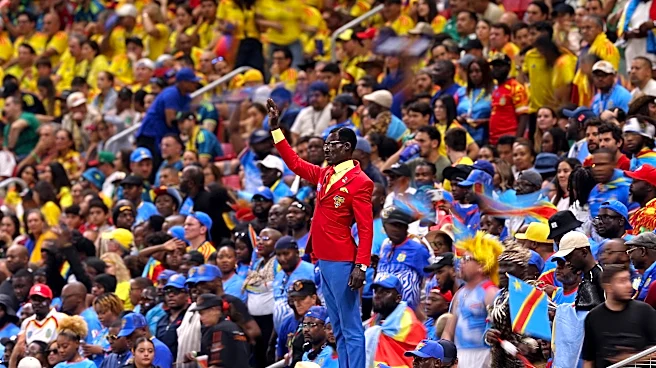
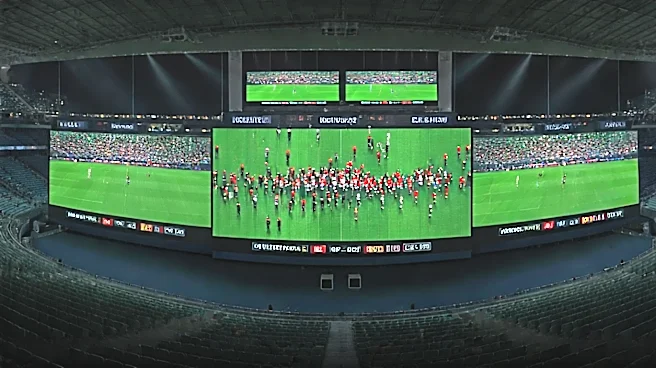
With two games happening at once, the group standings are in constant flux. A single goal in either match can completely reshape the landscape. The live-updating table becomes a character in the drama, flashing with possibilities. Team A is going through... until Team D scores in the other game, putting Team A out. Now, they need a goal. The permutations around points, goal difference, and even goals scored become a frantic, live-action math problem. As fans, we are no longer passive observers; we become frantic accountants, calculating what each team needs with every shot and save. For the 90 minutes of play, you are glued to two screens, toggling between the games, your phone buzzing with alerts from the other match. A cheer in one stadium can cause groans 500 miles away. It’s a unique, collective experience of shared anxiety and hope, all driven by the simple rule of simultaneous kickoffs.
The Ultimate Second-Screen Experience
This format is tailor-made for the way we watch things now. One game is on the big screen, the other is on a laptop. Your phone is open to a live blog, and your friends are group-chatting their frantic reactions. It’s a sensory overload in the best possible way. Unlike a final, where the narrative is linear and focused on two teams, this is a sprawling, interconnected story told in real time across multiple venues. The drama isn't just about who wins; it's about the near-misses, the what-ifs, and the heart-stopping moments when a team's fate swings on a single play happening in a completely different game. It turns passive viewing into an active, engaging hunt for information, where every screen in the room plays a crucial role in piecing together the full story.
Embracing the Beautiful Chaos
The knockout rounds have a clean, brutal simplicity: win or go home. But the final group stage offers something richer and more complex. It's about survival. It's a high-wire act where four teams are desperately trying not to fall, and their fates are intertwined. The emotional whiplash is part of the appeal—the despair of conceding a goal, immediately followed by the elation of hearing that your rival in the other game has also just conceded. This symphony of colliding narratives is what makes the day so unforgettable. It’s not always pretty, and it’s rarely straightforward, but it’s the most concentrated dose of pure, uncut sports drama a tournament has to offer. By removing the certainty of knowing what result is needed, FIFA inadvertently created a day of pure, reactive, and utterly compelling chaos.