


The Ghost in the Machine
In the controlled chaos of a festival headline slot, your eyes are fixed on the performer. But look past them, toward the back of the field. See that small, elevated structure glowing with monitors? That’s the Front of House, and inside it is an artist
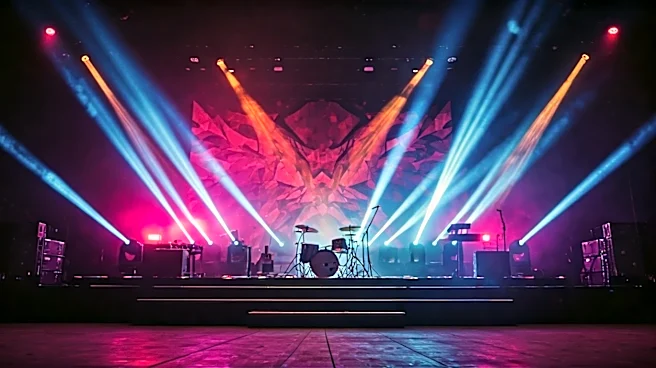
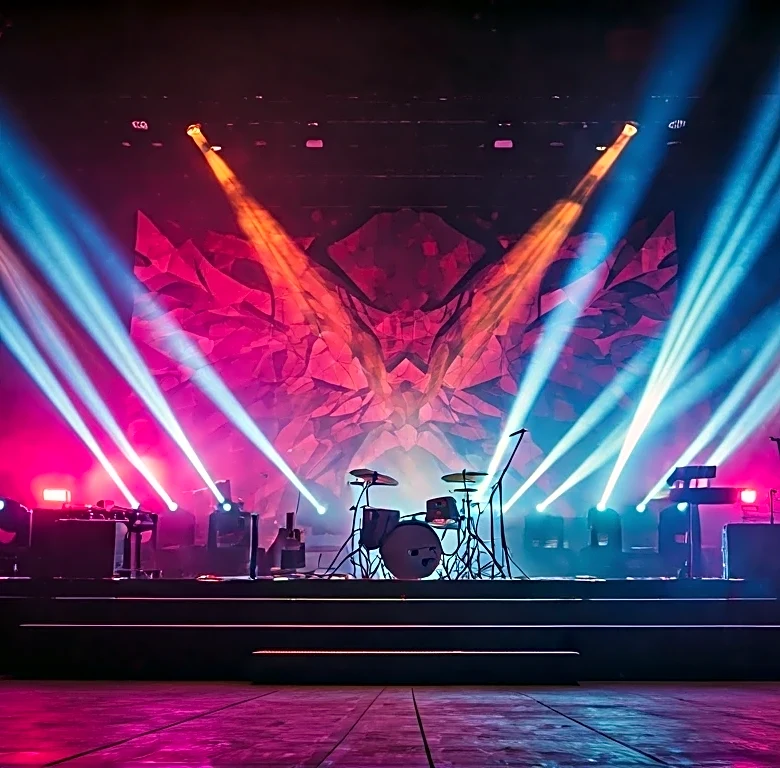
just as crucial as the one on stage. The Lighting Director isn't just a technician flipping switches; they are a live performer, translating sound into a visual language that an entire field can understand. For every perfectly timed strobe that punctuates a drum fill or slow, sweeping beam that cradles a ballad, there's an LD with their hands on a console, often improvising. They are part musician, part painter, part psychologist, reading the energy of the crowd and the band to craft an emotional arc made of photons. In an era of pre-programmed perfection, many of the best LDs, especially in the jam and EDM scenes Bonnaroo is famous for, are playing their light show like an instrument.
Translating Sound to Spectacle
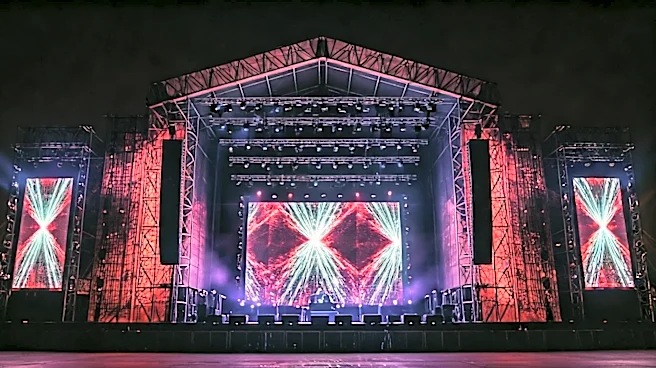
The process begins months before the first note is played on the What Stage. The LD works intimately with the musical artist to build a unique visual identity. Is the tour’s aesthetic dark and industrial, or vibrant and psychedelic? Is the artist’s vibe intimate and raw, or polished and theatrical? These questions inform every choice, from the color palette to the physical shape of the lighting rig. For a pop superstar, the show might be a tightly scripted, time-coded performance where every lighting cue is programmed to the millisecond to sync with choreography and video. But for a legendary jam band, the LD might have a library of effects and looks they can deploy on the fly, responding to a guitarist’s spontaneous solo or a shift in the musical mood. They aren’t just illuminating the band; they are extending the music, creating a multi-sensory world for the audience to inhabit. They have to know the setlist better than a superfan, anticipating the build-ups, the drops, and the quiet moments.
Mastering the Bonnaroo Challenge
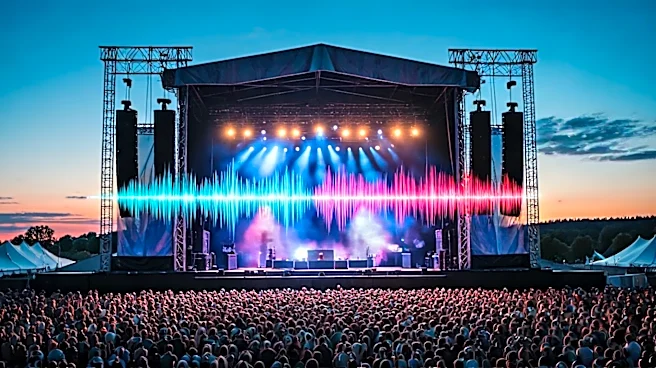
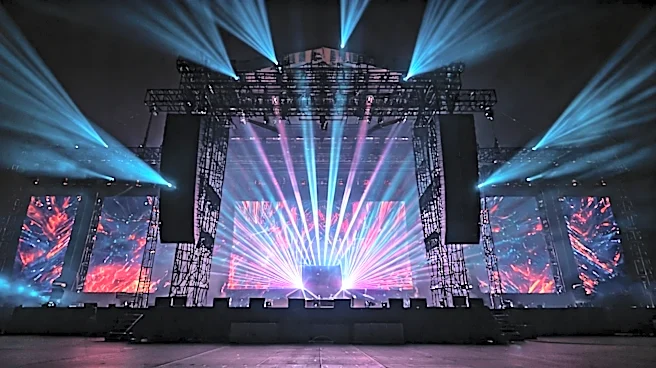
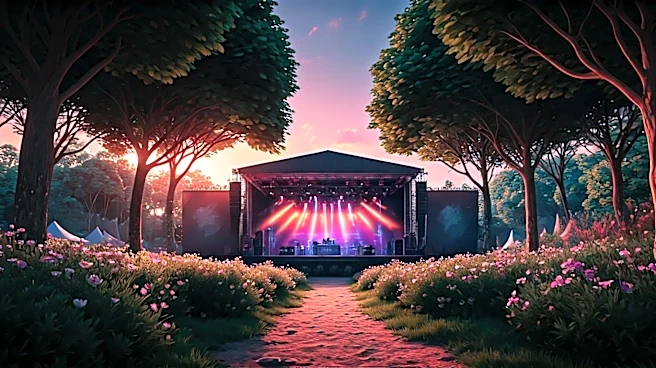
Bonnaroo isn't just any venue. 'The Farm' presents a unique canvas with its own set of challenges. The sheer scale of the main stage audience means the lighting design must be massive enough to feel immersive even to the people on the very edge of the field. Unlike an enclosed arena, there's no ceiling to rig from, so everything must be built from the ground up on colossal truss structures. The Tennessee environment itself is a factor. An LD has to account for the slow-fading summer sunset, timing the transition from a daylight-visible video show to a full-on nighttime light spectacle. They battle dust, humidity, and the occasional surprise rainstorm, all while ensuring their complex systems—often involving hundreds of individual fixtures and miles of cable—run flawlessly. The goal is to create moments of communal awe, making 80,000 strangers feel like they are part of a single, shared experience.
Painting with Future Light in 2026
Looking ahead to Bonnaroo 2026, the LD’s toolkit is set to become even more magical. The line between lighting, video, and special effects is blurring completely. Imagine kinetic lighting rigs where entire pods of lights move and dance above the stage, reconfiguring themselves in real time. Picture swarms of hundreds of choreographed drones creating shimmering, three-dimensional sculptures in the sky above the crowd, extending the show far beyond the stage itself. We're seeing the rise of generative visuals, where AI helps create patterns and colors that react organically to the music's frequency and tempo, producing a show that is truly unique every single night. For the LD of 2026, the job will be less about programming individual lights and more about conducting an ecosystem of intelligent, responsive technologies to create breathtaking new forms of visual art.