



First, The NFL Blueprint
In the NFL, a “trap game” is a very specific type of loss. It’s not just any upset; it’s a loss defined by context. The key ingredients are simple: a good team plays a bad team, but the good team is either looking ahead to a bigger opponent next week
or still emotionally hungover from a huge victory the week before. The game itself feels like a formality, a pit stop on the way to a more important destination. The favorite plays without focus, makes uncharacteristic mistakes, and lets the underdog hang around. Before they can flip the switch, the game has slipped away. Think of the undefeated 2007 Patriots nearly losing to the 5-7 Ravens, or countless contenders stumbling in December against a team already planning its offseason.
It’s All About Psychology
A trap game is less about X’s and O’s and more about human nature. Elite athletes are conditioned to perform under pressure, but they’re not robots. After a massive divisional showdown that took everything they had mentally and physically, it’s incredibly difficult to muster that same intensity for a road game against a struggling opponent. The media spends the week anointing you, you start believing your own hype, and practice feels a little lighter. Meanwhile, the underdog has nothing to lose. This game is their Super Bowl. They play loose, aggressive, and with a giant chip on their shoulder. It’s the perfect recipe for a shocking result that makes no sense on paper.
Enter The World Cup Group Stage
Now, let’s translate this to the World Cup. The tournament’s group stage is a perfect trap game incubator. Each nation plays three games. There’s usually one heavyweight clash on the schedule (e.g., Spain vs. Germany), one manageable opponent, and one team everyone expects the powerhouse to demolish. That “easy” game is the trap. A national team might be looking ahead to the marquee matchup that will decide the group winner, or they might get complacent after a dominant opening win. In a one-off game where a single lucky bounce or defensive lapse can lead to a goal, that lack of focus is fatal. The slow, methodical pace of soccer can lull a superior team into a false sense of security in a way the constant, violent resets of an NFL game do not.
The Ultimate Example: Argentina 2022
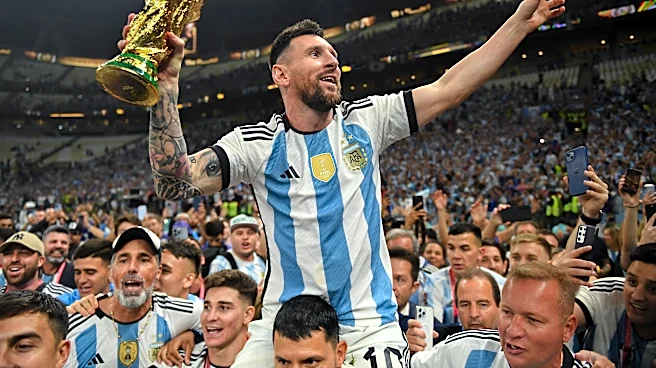
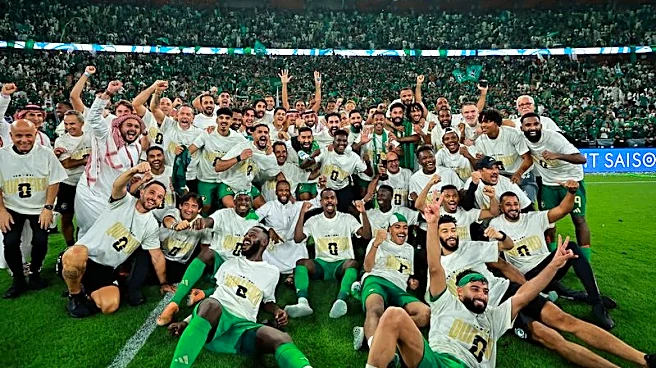
If you need a textbook World Cup trap game, look no further than Argentina vs. Saudi Arabia at the 2022 tournament in Qatar. Argentina, led by Lionel Messi in his last World Cup, was a massive favorite to win the whole thing. They came into the tournament on a 36-match unbeaten streak. Their first opponent? Saudi Arabia, one of the lowest-ranked teams in the field. It was seen as a tune-up. Argentina scored a penalty in the first 10 minutes and then seemingly went on cruise control. They had multiple goals disallowed for offside, looking casual and certain of their superiority. In the second half, Saudi Arabia came out firing and scored two stunning goals in five minutes. Argentina looked shell-shocked, unable to comprehend what was happening. They lost 2-1 in one of the biggest upsets in sports history—a classic trap.
Why the Stakes Are Even Higher
Here’s the crucial difference. In a 17-game NFL season, a trap game loss is embarrassing and can mess up playoff seeding, but it’s usually survivable. In the World Cup’s three-game group stage, it’s an existential threat. Argentina’s loss meant their next two games—against talented Mexico and Poland squads—suddenly became must-win elimination matches. There is no room for error. One bad day at the office doesn’t just cost you a game; it can cost you your entire tournament before it even truly begins. The pressure intensifies to an almost unbearable degree. While the NFL trap game is a painful bump in the road, the World Cup version is a potential cliff.