

It’s Not Just a Throwback
Nostalgia is a feeling; strategy is a business plan. While Millennials who grew up watching Britney and Justin in matching denim at the 2001 AMAs get a warm, fuzzy feeling seeing the look resurrected, the machine driving its return is anything but sentimental. True nostalgia is often messy, personal, and slightly embarrassing in retrospect. This modern revival is polished, curated, and optimized for virality. When an artist like Olivia Rodrigo rocks a look that channels early-2000s Avril Lavigne or Gwen Stefani, it’s not a random homage. It’s a calculated decision to tap into a pre-existing aesthetic framework that is proven to work. The original era was about genuine, often chaotic, experimentation. Today’s version is about referencing that chaos
in a highly controlled, brand-safe environment. It’s the difference between making a mixtape for a crush and an algorithm curating a '90s Throwback' playlist for you.
The TikTok-ification of the Red Carpet
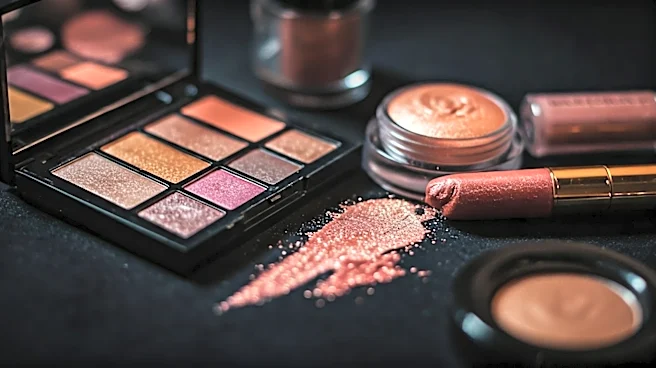
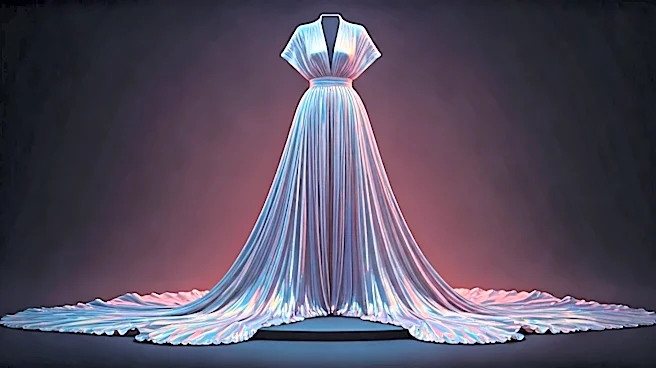
The 2000s pop-glam aesthetic is uniquely suited for the 2020s attention economy. It’s loud, graphic, and easily digestible in a three-second video clip. The shimmering fabrics, bold cutouts, and bedazzled accessories are designed to stop a thumb from scrolling. On platforms like TikTok and Instagram, where trends are born and die in a matter of days, the Y2K look provides an endless supply of replicable content. Fans can easily recreate a glittery eyeshadow look or find a fast-fashion dupe of a celebrity’s dress. This creates a powerful feedback loop: an artist wears a Y2K-inspired outfit at the AMAs, it goes viral on TikTok, fans recreate it, and the artist’s cultural relevance—and streaming numbers—skyrocket. The red carpet is no longer just a pre-show event; it's the opening salvo in a digital marketing campaign.
The Ready-Made 'Pop Star' Blueprint
For a new generation of artists, adopting the Y2K aesthetic is a strategic shortcut to establishing a “main pop girl” persona. The early 2000s codified a specific type of hyper-visible, unapologetically glamorous stardom. It was the era of the mega-celebrity, where music, fashion, and persona were inextricably linked. Think of Beyoncé’s transition into a solo star, Christina Aguilera’s “Dirrty” reinvention, or Jennifer Lopez’s multifaceted empire. By referencing this visual language, today's artists instantly connect themselves to that legacy. It signals ambition. It says, “I’m not just a musician; I’m a *pop star*.” This pre-packaged identity saves them the years of trial and error it took the original icons to build their brands. It’s a plug-and-play solution for achieving a look of established celebrity right out of the gate.
A Full-Circle Commercial Engine
Ultimately, the revival is fueled by money. Luxury fashion houses are digging into their archives, reissuing iconic bags and styles from the 2000s to a new market. Fast-fashion giants churn out endless variations of Y2K staples for a fraction of the price. For the artists, this trend opens up a specific and highly lucrative lane for brand partnerships. A musician who successfully cultivates a Y2K image becomes the perfect ambassador for a revived denim brand, a glitter-heavy makeup line, or a Juicy Couture tracksuit collaboration. The AMAs red carpet acts as the ultimate showroom, displaying these aesthetics to millions of viewers and, more importantly, potential consumers. The artists aren’t just wearing clothes; they’re modeling a commercial identity that has proven market appeal.