

The Allure of the Jump Scare
For many, the jump scare is the primary currency of a haunted house. It’s the visceral, heart-pounding jolt that makes you scream, laugh, and grab the person next to you. It’s the most obvious metric of success; the more you jump, the better the house,
right? This Pavlovian response is what designers often call the "startle effect." It’s a powerful tool, relying on sudden movement, loud noise, or a blast of air to trigger a primal fight-or-flight reaction. But veteran fans and designers know this is only one ingredient in a much more complex recipe for fear. Relying solely on jump scares creates a predictable, one-note experience. It’s the horror equivalent of a meal that’s all spice and no flavor. A great house, like a great horror film, understands that true, lasting dread isn’t just about what makes you jump—it’s about what makes your skin crawl in the moments between.
Atmosphere Is Everything
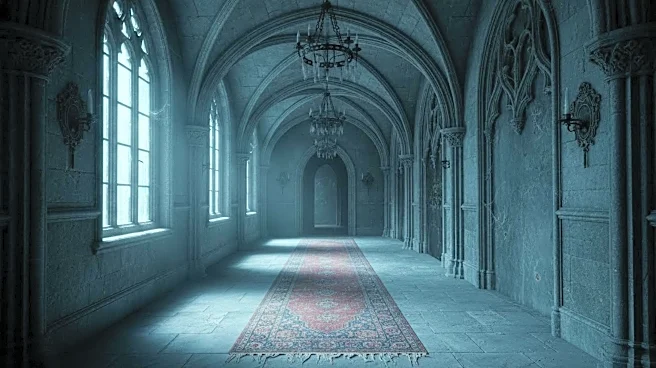
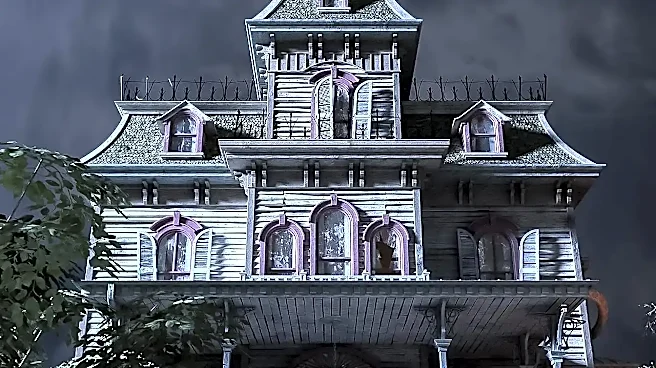
This is where the real magic happens. Before you even see a monster, a great Halloween Horror Nights house has already started working on you. It’s in the detailed set dressing, the oppressive lighting, and the meticulously layered sound design. Is the air unnaturally cold? Does a low, droning hum exist just at the edge of your hearing? Designers call this environmental storytelling. Every prop, every sound cue, every scent is chosen to support a cohesive narrative and build a sense of place. A house that masters atmosphere creates a persistent feeling of unease. You’re not just walking through a series of scare-boxes; you are entering a world that feels genuinely wrong. This immersive foundation is what allows a house to survive a flubbed scare. If the world feels real and threatening, one actor’s mistiming is just a momentary glitch in an otherwise terrifying reality.
A Story You Can Walk Through
The best haunted attractions are not just collections of scary things; they are stories with a beginning, middle, and end. The creative intent document, or CI, that designers work from breaks down the narrative beat by beat, scene by scene. You, the guest, are the protagonist walking through this story. A great house guides you emotionally, building tension in early scenes, hitting a chaotic peak in the middle, and providing a dramatic climax. This narrative structure gives the scares context and meaning. A monster lunging from a corner is startling. But a monster you’ve been hearing hints of for three rooms, whose horrific handiwork you’ve already witnessed, lunging from a corner? That’s terrifying on a different level. When a house has a strong narrative flow, a single missed scare becomes less of a failure and more of a momentary lull in the action—a brief pause before the story’s next horrifying chapter.
The Art of Pacing and the Reset
You can't maintain peak terror for ten straight minutes; it's exhausting and, eventually, numbing. This is why pacing is critical. Expertly designed houses alternate between high-intensity scares and moments of quiet tension. Designers intentionally create short hallways or less active rooms to serve as a “reset” for the guest's senses. These brief respites are deceptive. They allow your heart rate to drop just enough for the next scare to hit with maximum impact. This rhythmic approach—tension, release, repeat—is what makes the experience feel dynamic. It also provides a crucial buffer. If a scare in a high-intensity room doesn't quite land, the following “reset” moment allows the house to rebuild its atmospheric dread, effectively resetting your expectations and making you vulnerable all over again for what’s around the next corner.
Redemption in the Finale
Just like a film, a haunted house is often judged by its ending. A powerful, memorable finale can retroactively elevate the entire experience. Many houses are designed to build toward a dramatic climax—a larger room, a more elaborate effect, or a final, overwhelming confrontation with the central villain of the story. This last scene is the final impression the house leaves on you. If it’s executed brilliantly, it can overshadow any minor imperfections that came before. That missed scare in the second room? You’ve already forgotten it because you’re too busy processing the epic finale. A strong ending provides a sense of narrative completion and an emotional catharsis that sticks with you long after you’ve exited back into the theme park's crowded streets.