



A Dagger's Long Journey
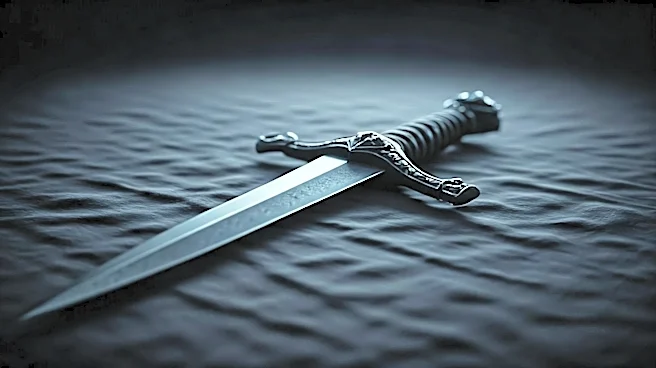
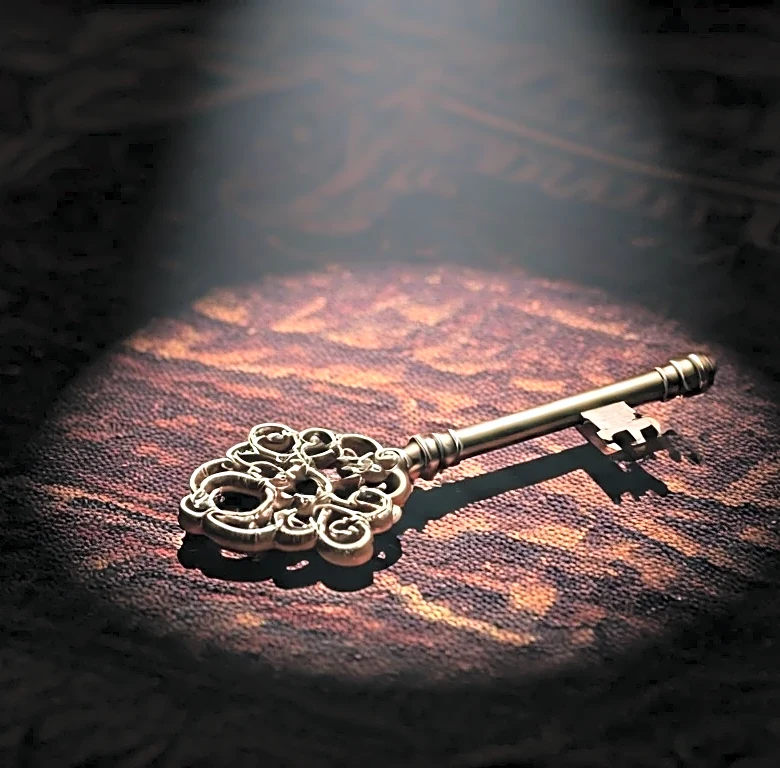
First, a quick refresher on the dagger's bloody resume from *Game of Thrones*. We first see it in the hands of a “catspaw” assassin sent to murder a comatose Bran Stark in Winterfell. The attempt is thwarted by Catelyn Stark and Summer, Bran’s direwolf.
This event effectively ignites the War of the Five Kings, as Littlefinger falsely claims the dagger belongs to Tyrion Lannister, driving a wedge between the Starks and the Lannisters. The blade then disappears for several seasons, resurfacing in Littlefinger’s possession. In a moment of supposed generosity, he gives it to Bran, who has become the Three-Eyed Raven. Uninterested in worldly weapons, Bran passes it to Arya. It’s a full-circle moment: the weapon meant to kill a Stark child is now in the hands of a Stark child who has become an assassin. In the ultimate payoff, Arya uses this very dagger to shatter the Night King, ending the Great War and saving all of Westeros from the Long Night. For years, this was the dagger’s story: an instrument of chaos that ultimately became an instrument of salvation.
A Secret Forged in Fire
Enter *House of the Dragon*. The dagger is seen almost immediately, worn proudly on the hip of King Viserys I. For fans, it was a cool Easter egg. But in the fourth episode, “King of the Narrow Sea,” the dagger’s true significance is revealed. In a quiet moment with his daughter and heir, Rhaenyra, Viserys explains the weight of the crown. He tells her about Aegon the Conqueror’s secret vision—a prophecy of a terrible winter that threatens the world of men.
Then, he takes the Valyrian steel dagger and holds it over a flame. As the steel heats, glowing words appear etched into the blade: “From my blood comes the prince that was promised, and his will be the song of ice and fire.” Viserys explains that Aegon’s conquest wasn't just about ambition; it was about uniting the realm to stand against the cold and the dark. The Targaryen monarchy is not just a dynasty; it’s a sacred trust to ensure humanity survives.
The Weight of Prophecy
This reveal is a lore bombshell. It directly links the Targaryen succession drama to the apocalyptic threat from *Game of Thrones*. More importantly, it fundamentally alters the nature of Rhaenyra's burden. Before this moment, her challenge was immense but political: secure her claim as the first ruling Queen of Westeros, fend off challengers like her uncle Daemon and the Hightowers, and produce a male heir. It was a high-stakes game of power, succession, and survival in a deeply patriarchal world.
But the prophecy adds a secret, existential weight to her shoulders. Her duty is no longer just to rule; it’s to preserve the secret knowledge and ensure the Targaryen line continues so that a prophesied savior can one day be born. Every political move, every alliance, and every decision about her marriage is now tied to a world-saving destiny that no one else in the realm even knows about. The “game of thrones” becomes secondary to safeguarding humanity’s future.
A Burden Transformed
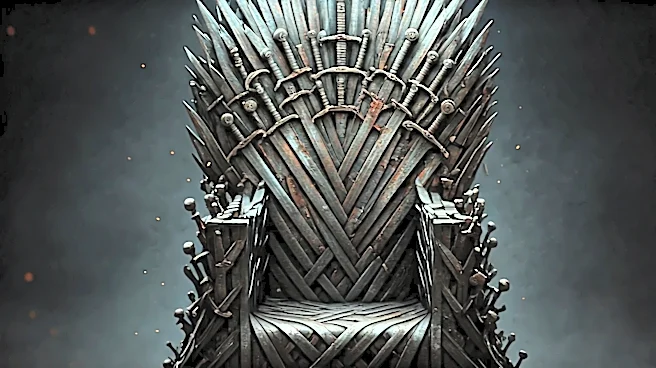
This callback changes how we view Rhaenyra’s story. She isn’t just fighting for her own right to the Iron Throne; she’s fighting to uphold a sacred pact made by the founder of her dynasty. It casts her struggles in a new, more tragic light. The civil war to come—the Dance of the Dragons—isn't just a family squabble that weakens the kingdom. It's an act that nearly destroys the very family entrusted with saving the world, all while they are oblivious to the true enemy gathering in the North.
Knowing the end of the *Game of Thrones* story makes it even more poignant. The Prince That Was Promised was a prophecy that obsessed characters like Melisandre and even Rhaegar Targaryen, Rhaenyra’s distant descendant. And we, the audience, know the dagger carrying this secret message will ultimately fulfill it, but in the hands of a Stark, not a Targaryen. Rhaenyra's burden is to carry a torch for a future she cannot see, for a hero who will not share her name, making her fight for the throne both a personal ambition and a tragically misunderstood sacred duty.