



The Hero of '98
To understand the fall, you first have to appreciate the ascent. In 1998, France hosted the World Cup, a nation simmering with social and cultural debates. The national team, a multi-ethnic mix of players with roots across the globe—Zidane himself the son
of Algerian immigrants—became a symbol of a new, unified France. In the final against Brazil, the reigning champions, Zidane, a player known more for his balletic grace than his heading ability, scored two near-identical headed goals from corners. It was an unexpected, decisive performance that delivered France its first-ever World Cup. He became a national hero overnight, his face projected onto the Arc de Triomphe. He was more than a player; he was a cultural icon who had, for a moment, united a country.
The Final Act in 2006
By 2006, Zidane had retired from international soccer once before, only to be coaxed back to lead a French team that needed its talisman. He had announced this World Cup would be his definitive end. Against all odds, he turned back the clock, putting on a series of masterclasses that carried France to the final in Berlin. It felt like a perfect Hollywood ending in the making. In the final against Italy, he opened the scoring with an audacious chipped “Panenka” penalty. The stage was set for him to lift the trophy one last time and walk off into the sunset as the undisputed king of his generation.
The Headbutt Heard 'Round the World
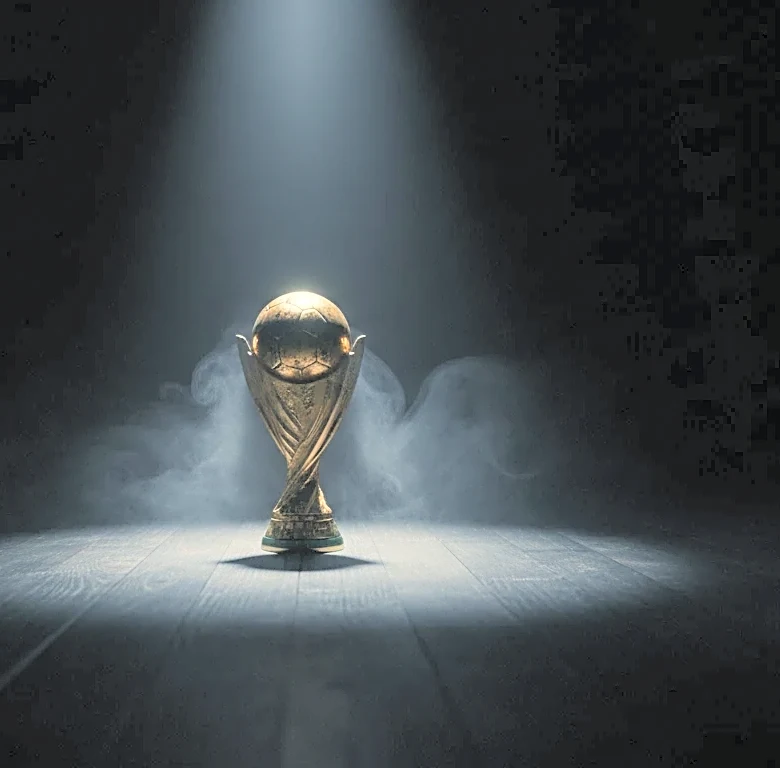
Then came the 110th minute of extra time. After a verbal exchange with Italian defender Marco Materazzi, Zidane calmly, deliberately, turned and drove his head into Materazzi’s chest, sending him to the ground. The world watched, stunned. Following a consultation with the fourth official, the referee showed Zidane a red card. It was the final act of his career. His long, lonely walk past the World Cup trophy he so desperately wanted to win became one of sports’ most enduring and tragic images. France went on to lose the final on penalty kicks. Years later, both players confirmed the exchange involved Materazzi making a crude comment about Zidane's sister after Zidane offered him his jersey.
A Legacy of Contradiction
The headbutt didn't just cost France a potential World Cup; it forever complicated Zidane's legacy. He was simultaneously the artist who could make a soccer ball do his bidding and a man susceptible to a moment of raw, street-level rage. For years, the debate raged: Did this single act of violence tarnish his entire career? Or was it merely a footnote in a story of unparalleled brilliance? The answer, for many, is that both are true. He is a hero, but a flawed one. His story isn't a simple fairytale but a more realistic, and perhaps more human, narrative where greatness and fallibility coexist in the same person. He holds the dubious record for the most cards in World Cup history, a statistic that sits uneasily alongside his three FIFA World Player of the Year awards.
Redemption on the Sidelines?
Zidane never truly apologized in the way many demanded. Instead, his redemption came in a different form. He returned to his former club, Real Madrid, as a manager. And he was stunningly successful. He became the first coach in modern history to win the UEFA Champions League three times in a row. He also won two Spanish league titles and numerous other trophies across two spells with the club. On the sideline, he was the picture of calm and control—the very qualities he lost on that field in Berlin. It wasn’t a redemption of words, but of action. He built a second, unimpeachable legacy, proving that a catastrophic final chapter doesn't have to be the end of the story.