


The Pant Break: Your First Point of Contact
Think of the “break” as the gentle horizontal fold or crease that forms in your trouser leg when it hits the top of your shoe. It's the most critical detail for controlling the vertical line of your leg, and the amount of break you choose sends a clear
style signal. A “no break” hem just grazes the top of the shoe, creating a sharp, clean, and very modern silhouette favored by minimalists. It makes you look taller but can feel a bit severe or even look like your pants are too short if not executed perfectly. On the other end is the “full break,” a deep, pronounced fold that’s a hallmark of traditional American suiting. It suggests a certain old-school nonchalance but can easily look sloppy, shortening the leg line and adding visual bulk. Most men find their sweet spot in the middle. A “slight break” or “quarter break” involves a subtle dimple in the fabric—a versatile, contemporary choice that works for almost any body type. The “half break” is a more conservative, classic look with one noticeable fold, offering a timeless balance that’s never out of place.
The Cuff: A Question of Weight and Tradition
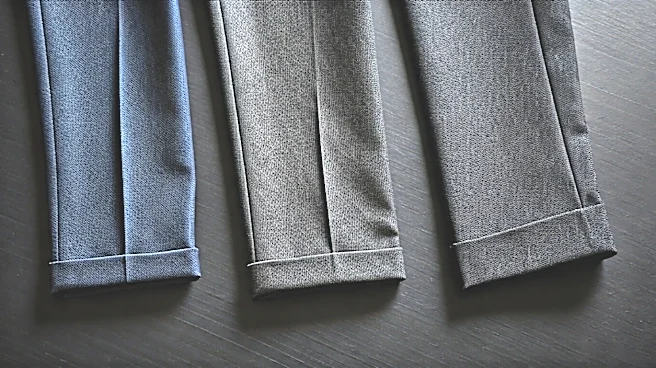
A cuff, also called a “turn-up,” is a deliberate fold at the bottom of the trouser hem, typically measuring between 1.5 and 2 inches. Its original purpose was practical: the added weight of the folded fabric helps the trousers hang straight and drape more cleanly. This is especially true for heavier fabrics like flannel or tweed. Cuffs add a visual stop at the bottom of your leg, which can be a double-edged sword. For taller men, they are a great way to balance long limbs. For shorter men, they can create a horizontal line that visually shortens the leg. The traditional rule was that pleated pants get cuffs and flat-front pants do not, but this is no longer a strict decree. Today, cuffs are a stylistic choice. They lend a sense of classicism and intentionality to an outfit, suggesting you appreciate the finer points. If you opt for cuffs, they generally look best with a slight break or no break at all; a deep break and a cuff create a messy, cluttered look at the ankle.
Hem Width: The Foundation of Your Silhouette
The width of the leg opening at the hem is the anchor for your entire look. It dictates the overall shape of the pant and determines which shoes will work best. A narrow hem (around 6-7 inches across when laid flat) creates a tapered, modern silhouette. This is the domain of slim-fit trousers and requires a sleek, low-profile shoe like a loafer or a minimalist sneaker. Trying to wear a chunky boot with a super-tapered pant is a recipe for an awkward, top-heavy look. A wider hem (8 inches and up) is characteristic of classic, straight-leg, or relaxed-fit pants. This allows the trousers to drape cleanly over bulkier footwear like derby shoes or boots. The key is harmony. A wide, flowing pant leg abruptly cut off by a tiny shoe looks just as strange as a skin-tight pant straining over a large work boot. The hem width should feel like a natural continuation of the pant’s cut, from the thigh all the way down to the ankle.
Putting It All Together: The Proportional Payoff
These three elements don't exist in a vacuum—they work as a team. A designer or skilled tailor considers them all at once to build a cohesive look. For example, a modern, slim-fit suit will likely feature a narrow hem and a slight or no-break finish to maintain that sharp, clean line. A classic tweed sport coat and flannel trousers, however, might call for a wider hem, a 1.75-inch cuff, and a gentle half break to honor its traditional roots and the weight of the fabric. The goal is to create an uninterrupted visual line that flatters your body. A short, full break adds clutter and makes you look shorter. A cuffed, narrow-hem pant is a contradiction in terms. By understanding how break, cuffs, and hem width interact, you can move from simply wearing clothes to building a deliberate, proportional, and flattering silhouette.