


The Original Blueprint: What Was '90s Minimalism?
Before we talk about its return, let’s define what we mean. Picture the late 1980s and early 1990s. The decade of excess was over, and fashion reacted with a palette cleanser. Italian designers, in particular, led a charge toward a new kind of elegance
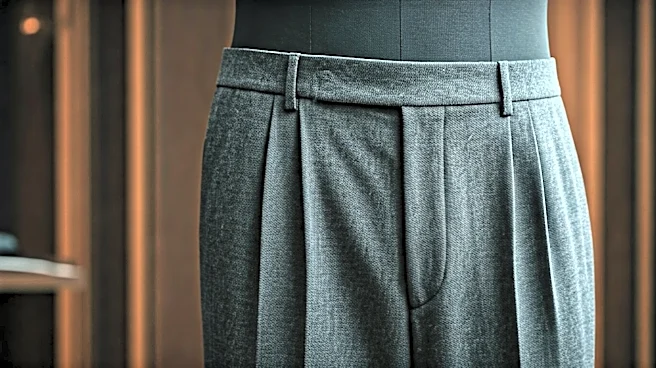
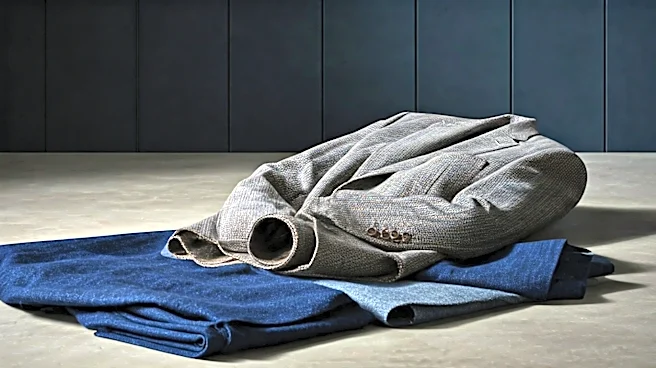
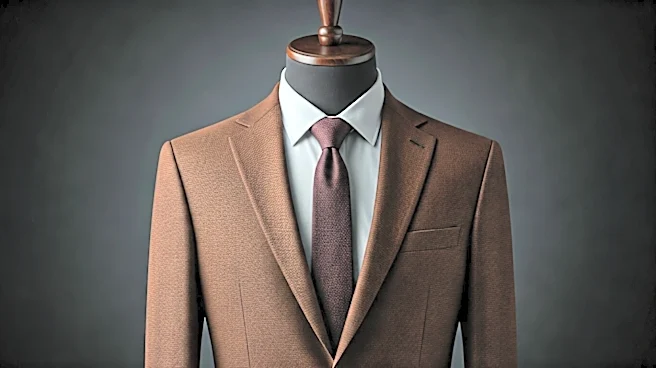
rooted in simplicity and supreme quality. This wasn't about being boring; it was about radical reduction. Think of Giorgio Armani’s deconstructed blazers that draped like a sweater, removing the stiff architecture of traditional tailoring. Consider early Miuccia Prada, who turned functional black nylon into a symbol of subversive luxury. The look was defined by a muted color palette—charcoal, beige, navy, black, and the occasional olive green. Silhouettes became fluid and relaxed. Trousers lost their sharp pleats and gained a wider, more languid leg. The focus shifted from overt branding and embellishment to the feel of the fabric, the precision of the cut, and the quiet confidence of the wearer. It was a uniform for intellectuals, architects, and creatives—an 'if you know, you know' approach to getting dressed.
How It's Reappearing in Florence
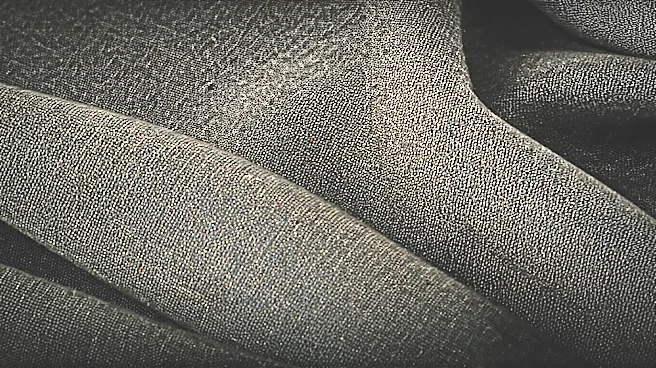
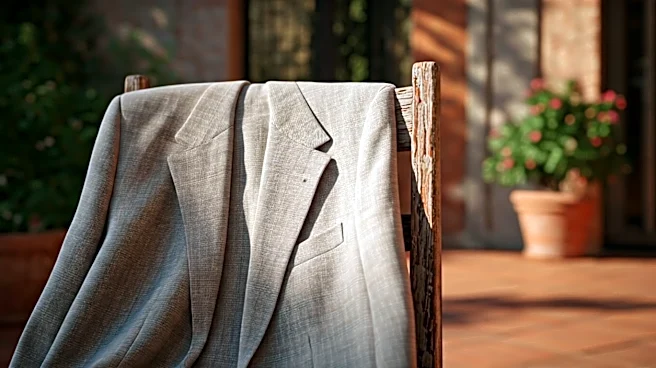
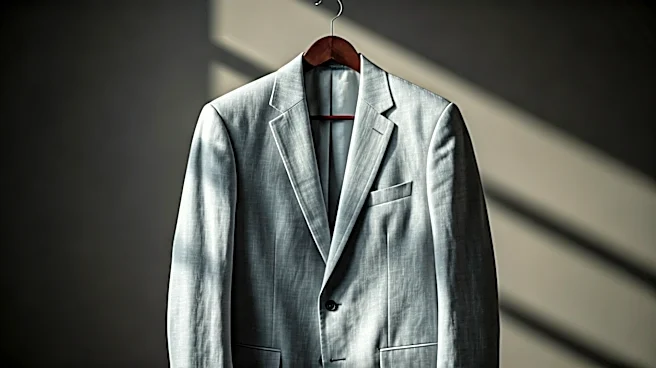
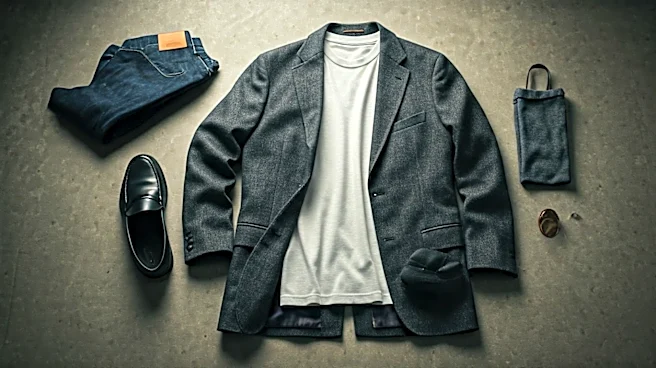
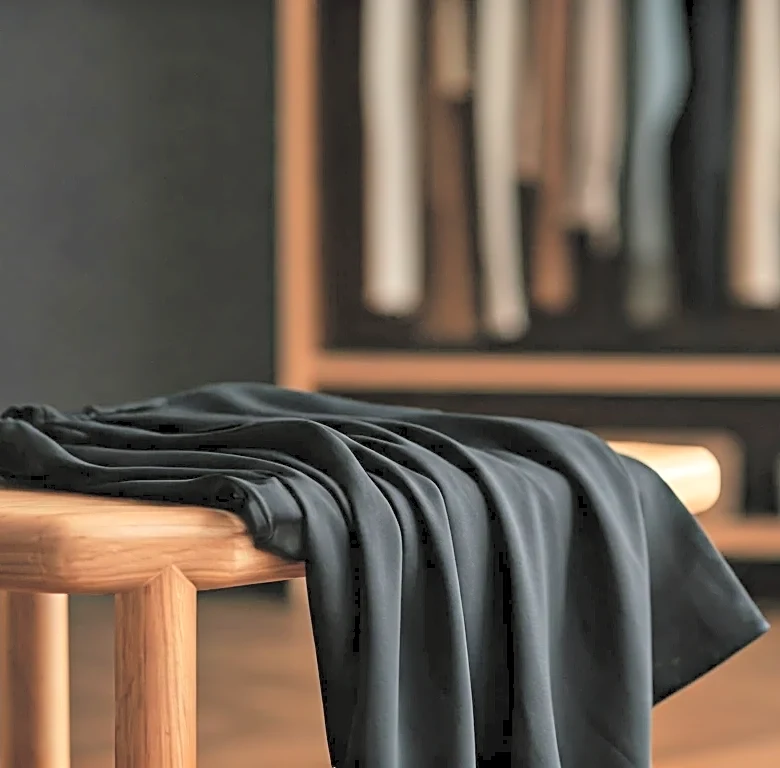
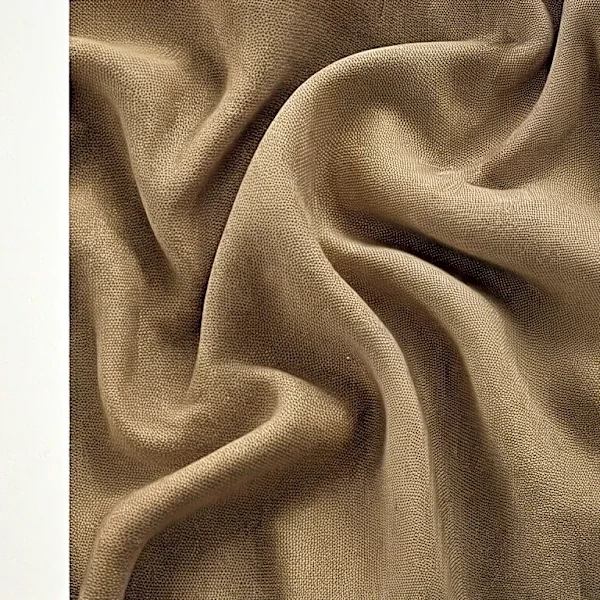
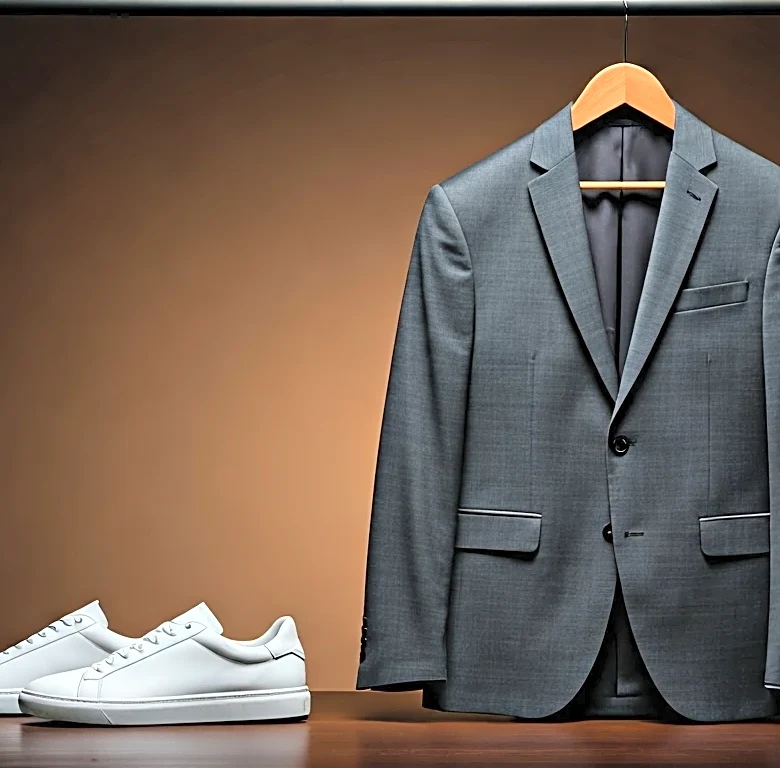
Pitti Uomo has long been famous for “sprezzatura”—a very Italian, almost performative nonchalance often expressed through flamboyant tailoring, bold accessories, and peacocking for street-style photographers. But scan the recent crowds and collections, and you’ll see a different energy. The minimalism is back, updated for the 2020s. Tailoring is softer and more voluminous. The double-breasted blazer is still here, but it’s unstructured and worn over a simple knit, not a starched shirt and tie. Trousers are higher on the waist and wider through the leg, pooling gently over a clean leather loafer or minimalist sneaker. Luxury is communicated through texture: a nubby cashmere sweater, a fine-gauge merino polo, a light-as-air linen shirt jacket. The loudest thing in the outfit is often the quality of the material itself. It's less about collecting attention and more about exuding a sense of calm, considered style. Brands both big and small are leaning into this, offering pieces that are timeless, versatile, and built to last beyond a single season.
A Reaction Against Logomania
So, why now? This return isn't happening in a vacuum. It’s a direct and necessary response to the last decade of menswear, which was dominated by maximalist streetwear. For years, the hype cycle revolved around chunky sneakers, oversized hoodies, and garments covered in logos and graphics. While that look had its moment, fatigue has set in. The minimalist resurgence is the aesthetic pendulum swinging back. It aligns perfectly with the much-discussed “quiet luxury” trend—a move away from conspicuous consumption toward understated, high-quality investment pieces. In a world of economic uncertainty and information overload, this style feels grounding. It offers a sense of permanence and sophistication without shouting. It’s a way of signaling taste and discernment, not just spending power. The man who embraces this look isn't trying to be the loudest person in the room; he’s confident enough not to need to be.
A Smarter, More Sustainable Wardrobe
Beyond the cultural mood, there's a practical argument for why this matters. The principles of 90s minimalism are inherently sustainable, not just environmentally but stylistically. The aesthetic is built on a foundation of versatile, high-quality staples that can be mixed, matched, and worn for years. A well-made navy blazer, a perfect pair of gray flannel trousers, or a simple cashmere crewneck will never truly go out of style. By investing in these kinds of pieces, you’re building a wardrobe rather than chasing trends. This 'buy less, buy better' mentality is gaining traction as consumers become more aware of fashion's environmental impact. The minimalist approach champions longevity over novelty, personal style over fleeting fads. It’s an invitation to think of your clothes as companions for the long haul, not disposable hits of dopamine. It’s a grown-up way to dress that feels both responsible and incredibly chic.