


Defining 'Neutral': Natural vs. Perfected
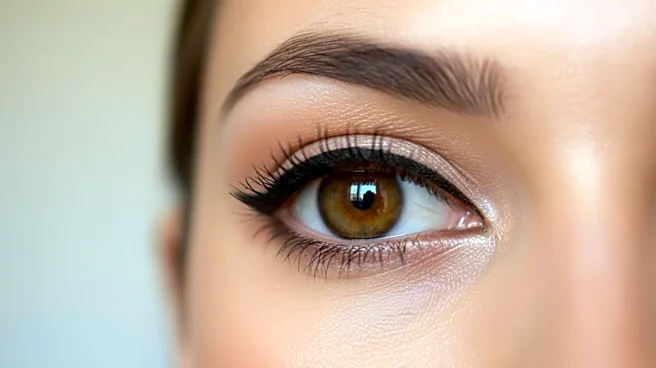
The first point of conflict is the very definition of a “neutral” look. For one camp of artists, neutral means mimicking reality. The goal is to create a subtle, 'no-makeup' makeup look that enhances a person's features without being obvious. This approach
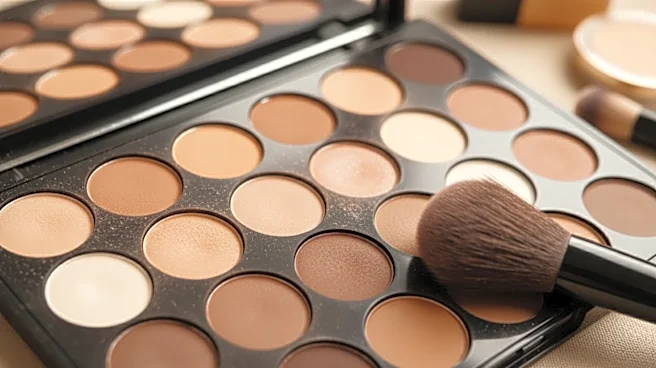
uses soft, earthy shades to create believable shadows and highlights. For another camp, neutral is a color story, not a philosophy of invisibility. These artists use the same beiges, taupes, and browns to sculpt a perfected, almost filtered version of the eye. It's not about looking like you're wearing nothing; it's about using a classic color palette to create a flawless shape, often with more structure and definition. The disagreement boils down to a fundamental question: is the goal to look effortlessly natural or effortfully perfect?
The Great Undertone Debate
Skin undertone—the cool, warm, or neutral hue beneath your skin's surface—is a major source of disagreement. Traditional makeup theory dictates that you should match your eyeshadow to your undertone for the most harmonious result. Warm-toned skin gets warm browns and golden beiges; cool-toned skin gets taupes and rosy nudes. But a more modern school of thought argues for using contrasting undertones to create a specific effect. For example, a makeup artist might use a cooler, grayish-brown on warm skin to create a more dramatic, sculpted contour. Or they might use a warm, peachy shade to make blue eyes (which are cool) pop. The debate is between harmony and contrast—should neutrals blend in seamlessly or should they be used to strategically alter and enhance?
Matte vs. Shimmer: A Philosophical Divide
The choice between matte and shimmer eyeshadow isn't just about sparkle; it's about purpose. Artists who prioritize structure and definition live by matte shades. Mattes absorb light, making them perfect for creating depth in the crease, defining the lash line, and building shape without adding texture. This is often the preferred method for mature skin, as shimmer can sometimes emphasize fine lines. Conversely, other artists believe a neutral eye is incomplete without some light-reflecting shimmer. They argue that a touch of shimmer on the center of the lid or the inner corner makes the eyes look brighter, larger, and more awake. For them, makeup is about playing with light. Most pros, of course, use both, but the emphasis is where they differ. One artist might build 90% of a look with mattes and add a tiny pop of shimmer, while another might create a wash of shimmer and use a single matte to define the crease.
Timeless Technique or Passing Trend?
Finally, artists disagree on whether the concept of a 'neutral look' should be timeless or trendy. Some stick to classic placements and shades that are universally flattering, regardless of what's popular. Their goal is a look that could have been worn ten years ago and will still look good ten years from now. Others adapt the definition of neutral to fit the moment. The soft, grayish-browns of the '90s gave way to the warm, orange- and terracotta-based neutrals of the 2010s, which have now evolved into the “latte makeup” and “espresso makeup” trends seen across social media. These artists argue that even a neutral look should feel current. This conflict pits timeless artistry against trend-driven relevance, proving that even a simple brown eyeshadow can be a reflection of the times.