


The Foundation: Impeccable Tailoring
The single most important element of Milanese style has nothing to do with brands and everything to do with fit. It’s the sharp shoulder on a blazer, trousers that drape without pulling, and a sleeve that ends precisely where the shirt cuff begins. This
principle is wonderfully democratic; it means a $50 blazer from a mainstream store, with $40 worth of tailoring, can look more expensive than a $500 designer jacket worn straight off the rack. Before buying anything new, audit your existing wardrobe. Identify pieces with potential—a coat that’s slightly too big or trousers that are an inch too long—and invest in a visit to a local tailor. Getting the fit right is the highest return investment you can make in your personal style.
Build on a Neutral Palette
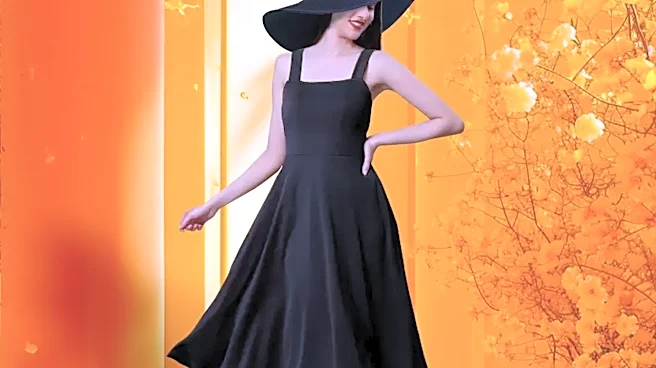
Milanese style leans heavily on a sophisticated, neutral color palette that creates a cohesive and effortlessly chic wardrobe. Think in shades of black, navy, charcoal, beige, cream, and crisp white. Giorgio Armani, a defining figure of Milanese fashion, famously built his empire on these understated tones. A wardrobe built on neutrals means nearly everything matches, making it easy to create polished outfits without much effort. Color isn't forbidden, but it’s used with intention—a rich jewel tone in a scarf or a single, vibrant piece against an otherwise quiet backdrop. By sticking to a base of neutrals, you create a versatile foundation that always looks considered and refined.
Prioritize Quality Fabric
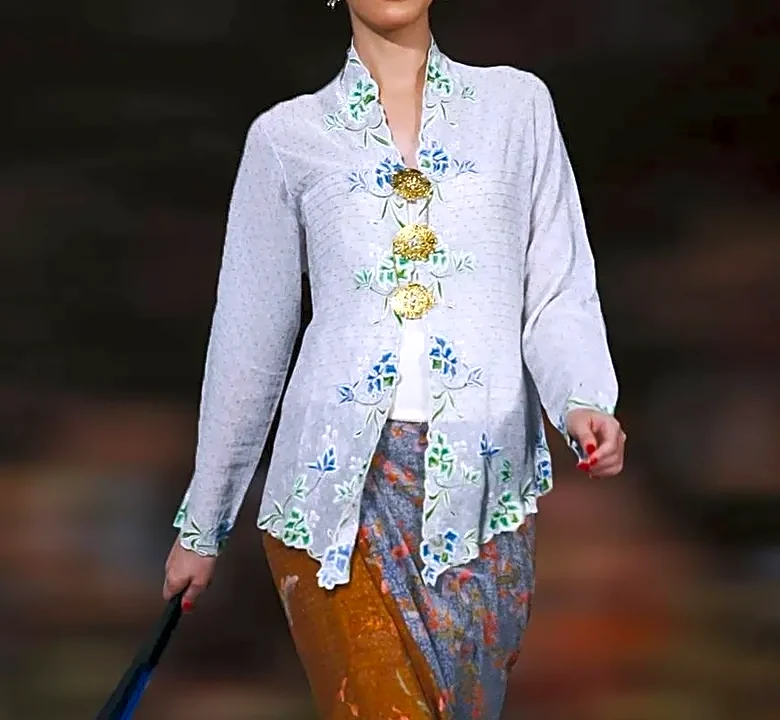
When you're not paying for a designer name, you can focus your budget on what truly matters: the material. Milanese style is built on an appreciation for quality fabrics like wool, cashmere, silk, and linen. These materials not only feel better but also hang more beautifully and last longer, giving your clothes an inherently luxurious appearance. When shopping on a budget, learn to read labels and feel the fabric. A well-made wool coat from a thrift store or an off-season sale will almost always look more sophisticated than a brand-new polyester equivalent. The goal is to invest in timeless pieces made from natural fibers that look and feel good for years, not just a single season.
Master the Art of 'Sprezzatura'
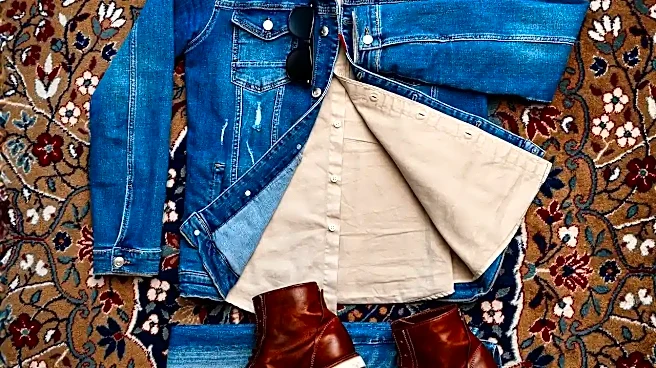
A key concept in Italian style is "sprezzatura," which translates to a kind of studied nonchalance or effortless grace. It’s the art of looking perfectly put together without seeming like you tried too hard. This might manifest as wearing a tailored suit with the same ease as a pair of jeans, leaving a jacket unbuttoned, slightly pushing up the sleeves of a blazer, or pairing a formal piece with a casual one. It’s the confidence that comes from feeling at home in your clothes. Sprezzatura is what keeps Milanese precision from feeling stiff or robotic; it’s the human touch that makes an outfit truly stylish and personal.
Invest in Your Accessories
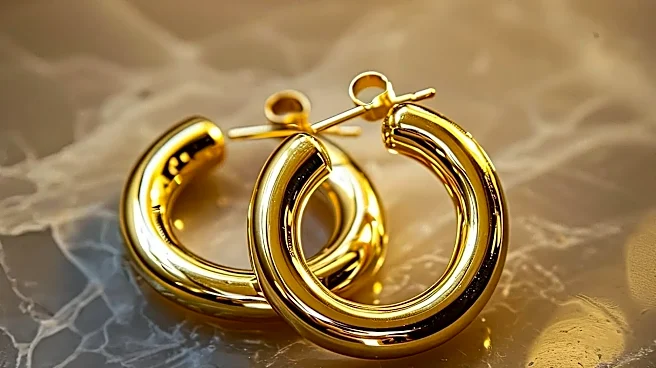
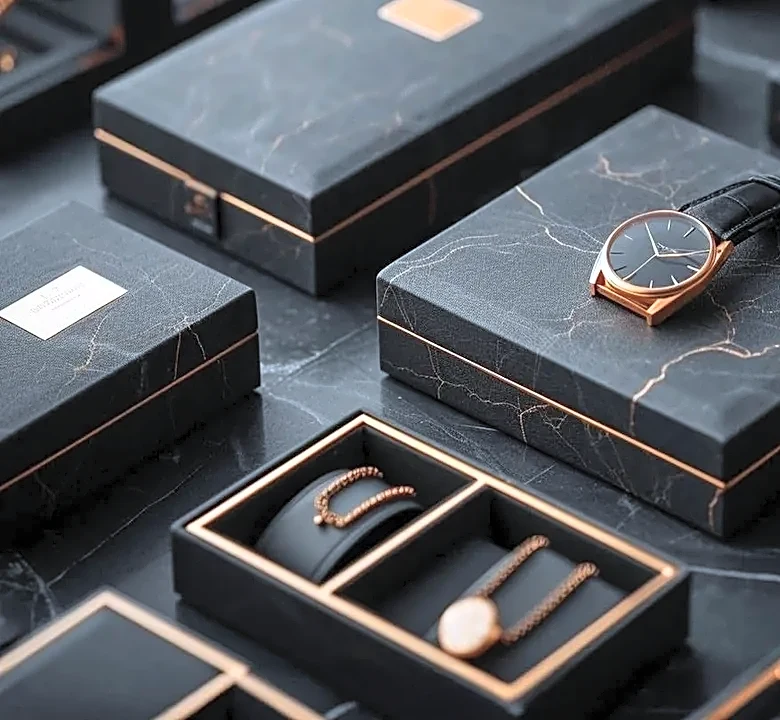
If your clothing is built on a foundation of simple, well-fitting basics, accessories are where you can inject personality and a sense of luxury. Many Italian style experts agree that it's better to wear a simple, affordable outfit with a high-quality bag, belt, or pair of shoes. A beautiful leather belt can structure a simple dress, a classic watch can elevate a t-shirt and jeans, and a well-maintained pair of leather loafers can signal quality for the entire outfit. You don't need a closet full of designer goods, but investing in one or two timeless, well-made accessories can elevate everything else you own.