
The Challenge of Early Technicolor
Before we get to the secret, it’s important to understand the problem it solved. Early moviemaking was a technical minefield for makeup artists. The harsh, hot studio lights required heavy, durable makeup. Stage greasepaint was the standard, but it was often
thick and mask-like. The advent of sound meant replacing noisy carbon arc lamps with quieter tungsten lights, which changed how makeup looked on film. But the biggest hurdle was the arrival of Technicolor in the late 1930s. This new technology was notoriously unforgiving, often rendering skin tones an unnatural brick red or even blue on screen, forcing many stars to initially refuse to appear in color films. A new approach was desperately needed.
The 'Hidden' Step: Pan-Cake Foundation
The solution, and the hidden step that defined a generation of on-screen beauty, came from the legendary Max Factor. He and his son, Frank, developed a revolutionary product called "Pan-Cake" makeup. It wasn't a hidden step in the sense of a secret technique, but rather a groundbreaking product that created an entirely new foundation for makeup application. Before Pan-Cake, actors used heavy, oil-based greasepaints. Pan-Cake was a solid powder in a pan that was applied with a damp sponge. This seemingly simple change was transformative. It offered excellent coverage that concealed imperfections under a transparent matte finish, which was perfect for the demands of Technicolor film. This created a flawless, uniform canvas that evened out the bizarre color shifts caused by the film stock and lighting. It was the essential first step that everything else was built upon.
Creating the Flawless Canvas
The application of Pan-Cake was the true art. By pressing the damp sponge into the product and then stippling it onto the skin, artists created a smooth, matte base that was far more natural-looking than the thick greasepaints of the silent era. This base layer did more than just correct color; it created a perfect surface that could withstand hours under hot lights without melting or creasing. It effectively created a second skin. Once this matte canvas was set, artists like the famous Allan "Whitey" Snyder, Marilyn Monroe's personal makeup artist, could then build dimension back into the face. They would use darker shades for contouring, powders for setting, and even strategically applied oils or Vaseline to create a glow on top of the matte base, giving birth to the sculpted, luminous look we associate with stars like Monroe.
Bringing the Technique Into Today
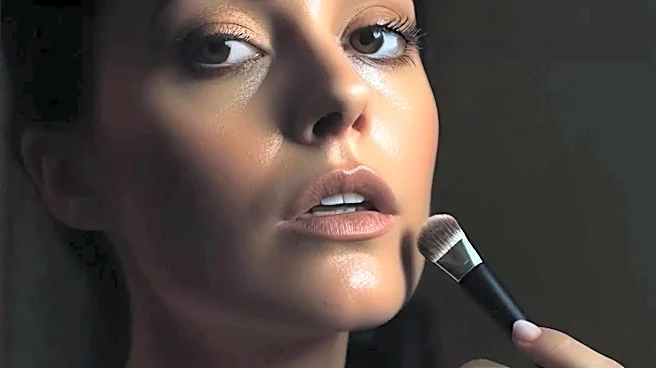
While you won't find Pan-Cake at your local beauty counter anymore (though Max Factor still produces modern foundations), the principle behind it remains fundamental to professional makeup. The "hidden step" is really a philosophy: perfect your base before you do anything else. To adapt this for a modern routine, start with a good primer. Then, instead of a heavy, water-activated cake, opt for a full-coverage, long-wear foundation. Apply it with a damp beauty sponge, using stippling and bouncing motions rather than wiping to build a seamless finish. The key is to create that uniform canvas. After applying your foundation, the modern equivalent of the Old Hollywood technique is to "bake." Apply a generous amount of translucent setting powder under the eyes, on the forehead, and along the jawline. Let it sit for several minutes before dusting off the excess. This locks everything in place and creates that airbrushed, matte finish that was so prized.