

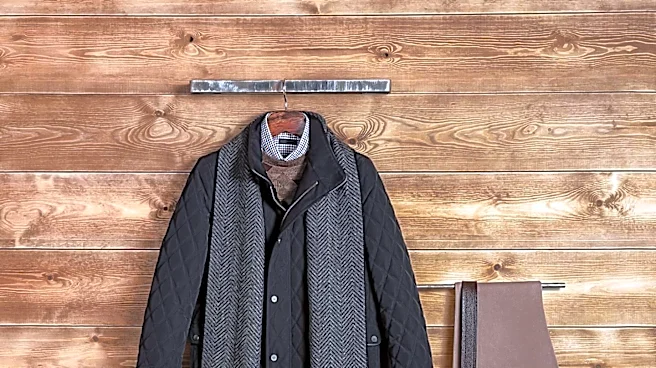


The Old Guard: Top-Down Thinking
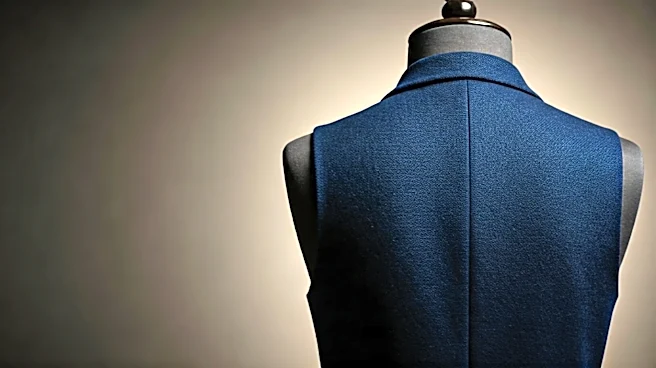
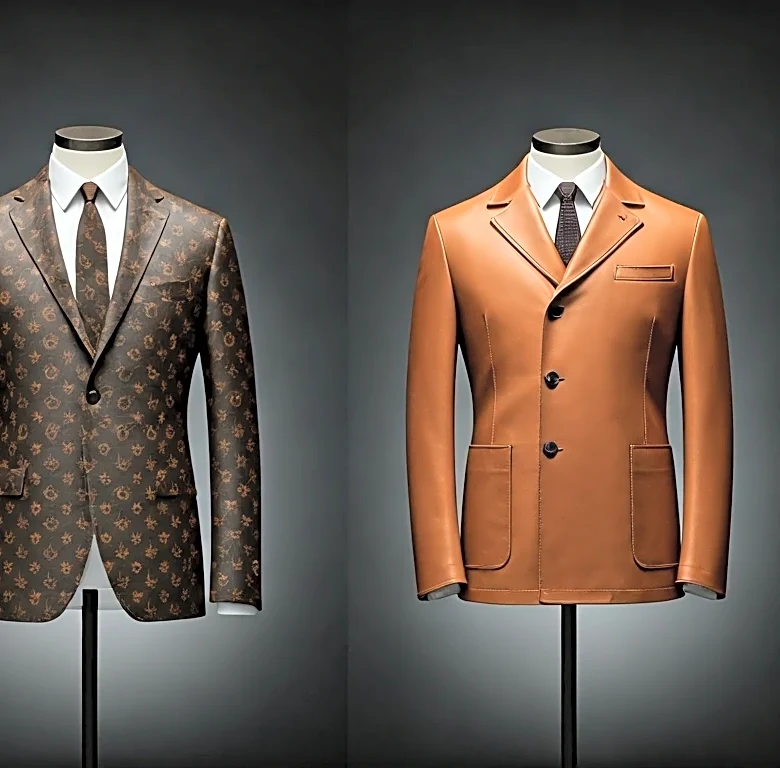
Think about the classic male silhouette. For most of the 20th century, it was defined by a structured jacket. Whether it was the broad-shouldered power suit of the ‘80s, the soft-shouldered ease of Italian tailoring, or the buttoned-up discipline of a military
uniform, the torso was the focal point. Trousers were largely an afterthought—a necessary component, of course, but rarely the creative starting point. They were straight, pleated, or flat-front, but their primary job was to support the jacket, not to steal the show. This top-down approach dictated everything: the fabric, the cut of the shirt, even the occasion. The jacket set the tone, and the rest of the outfit simply fell in line.
The New Foundation: The Power of Silhouette
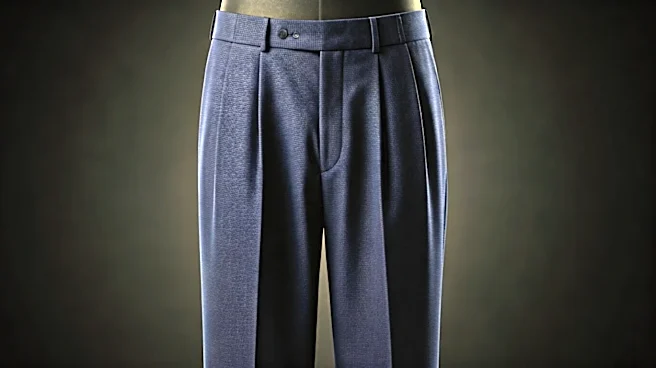
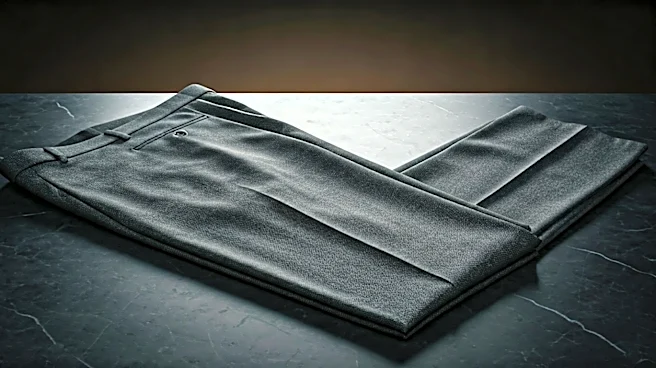
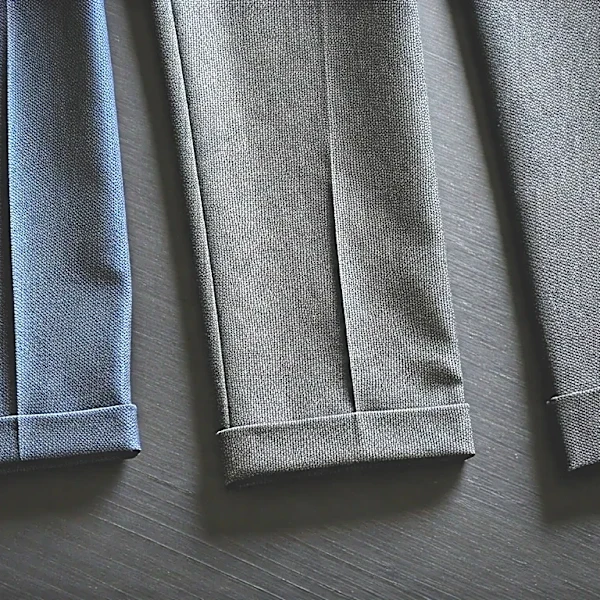
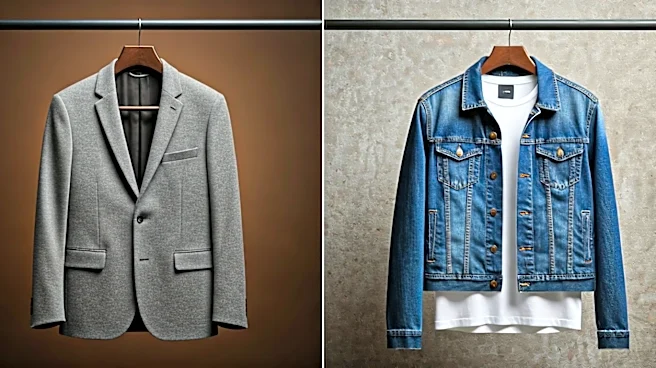
The modern shift to a trouser-first philosophy is about more than just pants; it's about silhouette. A single, perfectly conceived trouser dictates the entire look's volume, movement, and attitude. Is it a high-waisted, double-pleated flannel pant that pools over a loafer? That suggests a certain intellectual elegance. Is it a voluminous, wide-leg canvas trouser that creates a dramatic, flowing shape? That speaks to a more artistic, relaxed sensibility. Designers who start here are essentially sculpting from the ground up. The trouser's rise, break, and width determine the right footwear, the necessary proportions of the knit or shirt tucked into it, and whether a jacket should be cropped, oversized, or absent altogether. It’s no longer a supporting actor; it's the protagonist around which the entire story is written.
The Parisian Masters of the Pant
This philosophy is most visible on the Paris runways, where certain designers have built their reputations on exceptional trousers. Christophe Lemaire and Sarah-Linh Tran of Lemaire are masters of this, creating trousers that are both utilitarian and poetic. Their pants—often in muted, earthy tones with generous, architectural cuts—are the clear foundation for their layered, thoughtful looks. Similarly, Pierre Mahéo of Officine Générale has earned a cult following for his impeccably tailored trousers that blend formal and casual with Parisian nonchalance. His ‘Pierre’ chino, for example, has a fit so dialed-in that men build their entire wardrobe around it. These designers, along with others like Dries Van Noten, understand that when the trouser is perfect, everything else feels easier and more intentional. It's the key that unlocks the rest of the collection.
A Statement of Modern Elegance
So why now? The trouser's ascent reflects a broader shift in how men want to dress. The decline of the mandatory office suit and the rise of a more fluid, sophisticated form of casualwear created a vacuum. Men are looking for new ways to express elegance without resorting to the old armor of a stiff suit. A beautiful trouser offers just that. It provides a sense of being put-together and considered, but with a focus on comfort, fabric, and personal style rather than corporate conformity. In a post-streetwear world, where the focus has shifted from loud logos to quiet quality and timeless forms, the perfect trouser is the ultimate statement. It says you care about the details, you understand proportion, and your confidence comes not from a padded shoulder, but from a solid foundation.