


The Blueprint for a Living Archive
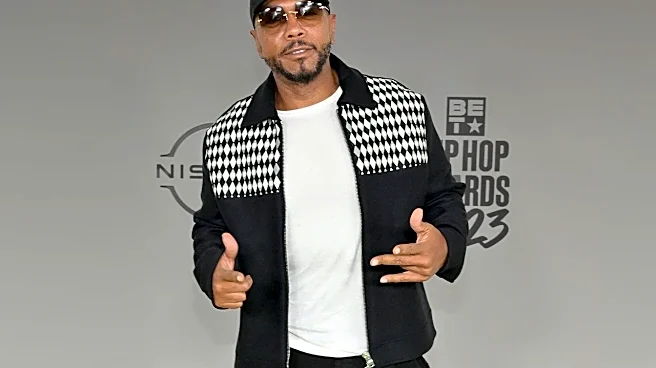
At its core, Hip Hop Honors was never just another awards show. While other ceremonies focus on what’s commercially popular right now, this event was built on a different premise: historical significance. The show’s primary function was to honor the pioneers
and trailblazers of hip-hop culture—the rappers, DJs, and producers who laid the groundwork for the global phenomenon it is today. Instead of just handing out a trophy, the show treated legacy as the main event. It operated as a televised hall of fame, making the deliberate choice to value an artist's long-term influence over their recent chart performance. This made it a unique institution in music television, a place where history wasn't just mentioned but was the headline act.
The Art of the Tribute Performance
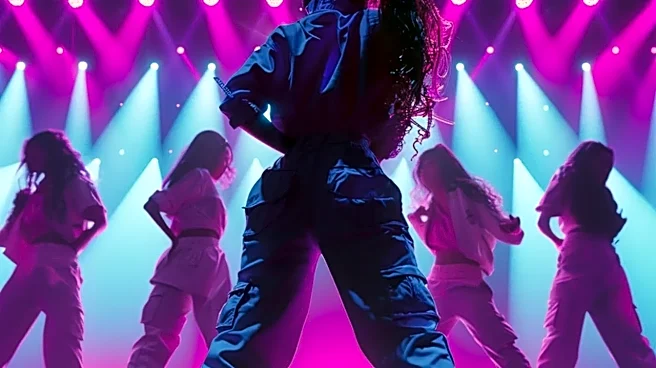
The engine of the show was its signature tribute format. It wasn't enough to show a video montage; the legacy had to be performed. This was achieved by curating multi-artist medleys where contemporary stars performed the iconic tracks of the evening's honorees. The magic was in the matchmaking: a current chart-topper would perform a classic from the ‘80s, or an R&B singer would flawlessly recreate a verse from a '90s rap anthem. These were not simple cover versions. They were elaborate, highly choreographed productions designed to recreate the energy and aesthetic of a specific era, often with artists who were directly influenced by the legend being honored. Teyana Taylor’s electrifying tribute to Lil' Kim, for example, was celebrated for capturing not just the lyrics, but the very essence of Kim's stage presence, creating a powerful on-stage connection between two generations.
More Than Nostalgia: A Generational Bridge
The brilliance of the tribute format is that it looks backward and forward at the same time. By having today's stars pay homage, the show created a public and powerful transfer of respect. It introduced foundational artists to younger audiences who might not have known their work, while simultaneously giving current stars a platform to acknowledge their roots. This process reinforces the continuity of the genre, presenting hip-hop as a single, evolving family tree. It’s a powerful narrative tool. When an artist like Common takes the stage to introduce a tribute to Queen Latifah, it’s a moment that validates the entire culture, connecting the dots between social commentary, artistic innovation, and mainstream success across decades.
Turning History into Must-See TV
Ultimately, Hip Hop Honors succeeded by understanding how to translate cultural weight into compelling television. The combination of heartfelt speeches from presenters, meticulously recreated performances, and the live reactions from the honorees themselves created a potent emotional cocktail. The producers knew that seeing a legend like Snoop Dogg or Missy Elliott watch their life's work be celebrated by artists they inspired is inherently great TV. They also made smart choices, like the 2016 “All Hail the Queens” edition, which focused exclusively on the often-overlooked women who pioneered the genre, such as Queen Latifah, Salt-N-Pepa, and Missy Elliott, making a powerful cultural statement. It wasn't just a history lesson; it was a dynamic, emotional, and visually spectacular celebration that made you feel the impact of the music.